Author: Alex Russell

The Hidden Lesson of Chosen One Stories

csbkszl.jpg

Gardner Mounce

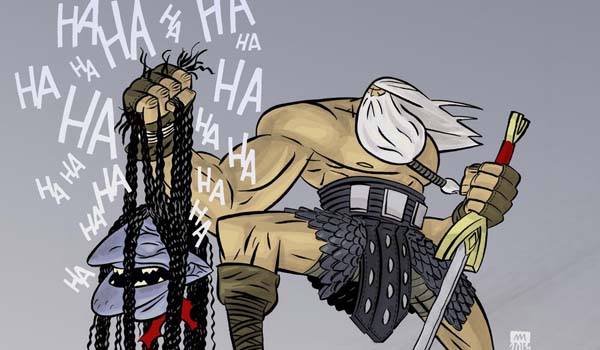
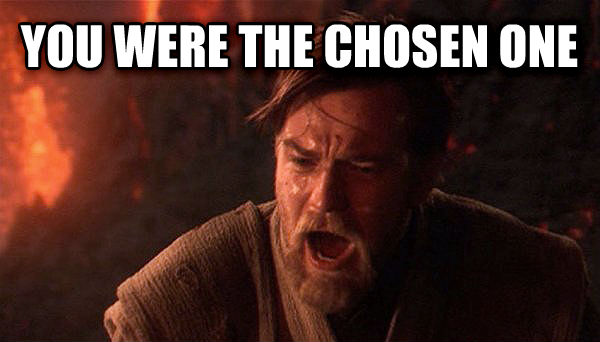
We all love “Chosen One” stories like The Matrix, Star Wars, and Harry Potter, in which a person (usually white, usually male) is selected by fate or the universe or Laurence Fishburne to do the thing that needs doing. First off, it makes things so simple. Imagine if the next presidential election was decided by which Ivy Leaguer could pull a sword from a stone–or Congress’s head from its ass (zing! bow! topical!). It also buys into the idea that life is dictated by a higher power, which is comforting. But these stories also teach a horribly stultifying lesson: if you’re not the chosen one, you should just sit down and quit.

Like most of you, I was raised on Chosen One stories, and thereby raised on the idea that heroes are chosen for an arbitrary reason (like dead parents and messiness of hair). And that if you are the chosen, you’re going to have an easy time of being a sweet fighter, and if you’re not the chosen, then you’re going to be a minor character who does nothing but offer the chosen one advice. Writers of these stories like to say that, thematically, these stories teach perseverance and hard work. But they don’t, really. They usually have very little to say about the fact that being good at anything takes a lot of really hard work. And nobody’s chosen. There’s privilege, sure, and certain anatomical proclivities that may make one person a more natural basketball player than another, but no one is choosing people as the next great anythings, and to become good at something you have to work very, very hard at it.

Chosen One stories pay lip service to hard work via the montage. Watch this scene from Harry Potter and the Prisoner of Azkaban in which Lupin teacher Harry the Patronus charm. At the top of the scene Lupin says, “You know this is very advanced magic well beyond the ordinary wizarding levels?” …and then Harry nails the charm in four minutes of screen time. Of course, the reason movies don’t show the realistic amount of time it takes to master something is that it takes practice, and practice is boring to do and boring to watch.

catdrums

We all have to learn the hard way that those montage scenes where Rocky gets good at fighting after punching a cow six times are representative of months or years of hard work. This sounds obvious now, but when I was a kid I was absolutely baffled by how hard it was to learn to play the guitar. The strings hurt, the neck was too wide, my fingers wouldn’t do what they were supposed to do, and I always dropped the pick after the fourth note of “Barbie Girl.” I was ashamed that I sucked so bad. I expected it to come easily to me, because I had this image of myself as the next Chosen Guitar Player in a sweet music video full of lightning bolts and side boob. It never happened.

The other lesson these stories teach is that the Chosen One always wins. So, as a kid, when you can’t seem to play “Barbie Girl” on guitar the first or second or twelfth try, you figure you’re just not meant to play it and so you quit. Meant? What the hell does meant mean? Who means for you to play “Barbie Girl?” The question is: do you want to play “Barbie Girl?” Then play “Barbie Girl,” you beautiful, confused rock star.

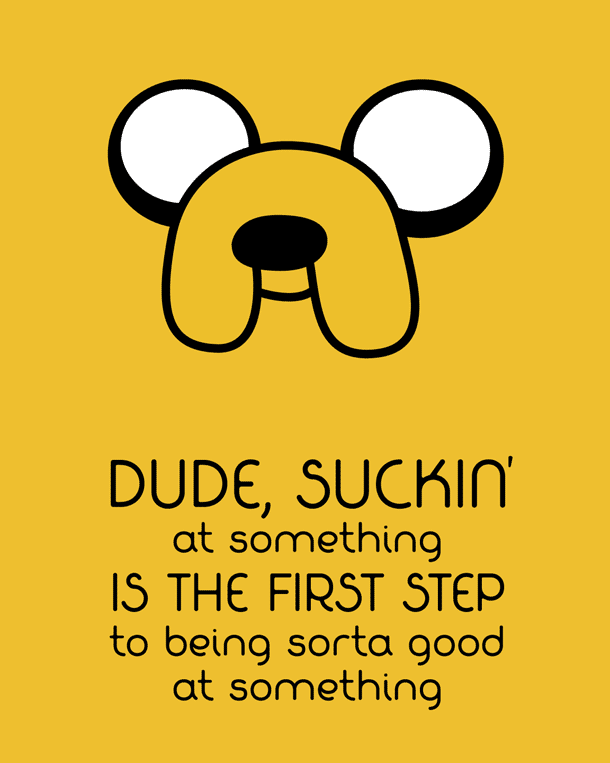
Clear your mind of all that Chosen One nonsense and learn a new mantra:

jakewisdom.png

If you want to be the chosen one, start working. We should all remember this the next time we take on a new hobby or job. You want to play the drums? Awesome. That’s so cool. You’ll have tons of fun. Just expect to really suck at it for a long time, because you’re not the chosen one. Don’t be embarrassed of that. Don’t go into music stores and not play drums because you’re embarrassed of how bad you suck. Be a proud learner.

drums

A friend of mine who was a piano performance major told me that becoming a good piano player is like watching your hair grow. You won’t notice yourself improving day-by-day, but look back in six months or and you’ll be astounded (and hairy!). So, next time you watch Harry Potter nail that Expecto Patronus after four minutes of “hard work,” say to him, “You’re not actually a wizard. You’re Daniel Radcliffe. And Daniel Radcliffe can do an Expecto Patronus as well as I can.” You’ll feel much better, unless you’re an actor who also auditioned for the role of Harry Potter. And then you’ll just feel like shit. Gardner Mounce is a writer, speaker, listener, husband, wife, truck driver, detective, liar. When asked to describe himself in three words, Gardner Mounce says: humble, humble, God-sent. You can find him at gardnermounce.tumblr.com or email him at gmounce611@gmail.com 

Worst Best Picture: Is Gone with the Wind Better or Worse Than Crash?

Vivien_Leigh_Gone_Wind_Restaured

Alex Russell

In “Worst Best Picture” we search every single Best Picture Oscar winner of all time from 1927 to present to uncover the worst of them all. Conventional wisdom says that 2005’s winner Crash is the worst winner in history. We won’t stop until we’ve tested every last one. Read the the first, our review of Crash, here. Posts will be relatively spoiler free, but there may be some details revealed. Today’s installment is the 1939 winner Gone with the Wind. Is it better than Crash?

History has both been extremely kind and extremely unkind to Gone with the Wind. It’s one of the most successful, well-reviewed films in American history, but it’s a film with a Wikipedia “analysis” section that includes “racial criticism” and “depiction of marital rape.” No matter what part of Gone with the Wind you’re talking about, you’re talking about something capital-I Important.

Gone with the Wind is one of the few “great” Best Picture winners that I’d actually seen before starting this, though it was years earlier. I was too young to understand the dynamic between Scarlett and Rhett. All I remembered was how terrible the burning of Atlanta scenes were (not wrong, there, young me) and how awkward the movie’s racial tensions were (the seriousness of which was definitely lost on teenage me).

When you watch Gone with the Wind in one sitting you are struck not just by the length — it’s the longest Best Picture winner ever, by a lot — but by how much of the film isn’t about “the film.” Even aside from overtures and extended credit sequences that are relics of the time, there are huge sequences that don’t advance the plot. The cast of 20 or 30 relatively major characters doesn’t help with that sensation, either.

Gone with the Wind gets rethought critically because it’s racist and sexist and honestly, a little dumb. Scarlett and Rhett are interesting, but most of the rest of the cast is made up of simple people with simple desires. That contributes to why some scenes feel like a slog. Sometimes you’re watching someone mad at Scarlett for marrying a shopkeeper and you feel like you maybe started the movie when you were a much younger person. Maybe you’ll never get to leave.

There’s not enough room here to talk about a movie with problems as complicated as Gone with the Wind, but I will say this: it is crazy to me that I have had as many conversations as I have in my life about this movie without talking about the drunken argument Rhett and Scarlett have. The racial depictions are downright awful, but you really need to see this scene again if you haven’t seen it recently. It’s unexpected and it’s foul. It’s really the only thing I’m sure I’ll remember about Gone with the Wind this time around. I’ve never seen anything like it in a “romance.”

The Best Part: The final fourth of the movie works as a stand-alone in a way. The time Rhett and Scarlett are actually married and trying to deal with it feels well-paced and interesting. There are monstrous parts and there are acidic exchanges, but the only part of Gone with the Wind that feels like what we know today as a complete story is this one.

The Worst Part: Where to begin? Race, sexuality, sex, marriage, family, money, war? There’s a lot going on in the world of Gone with the Wind, but there aren’t any real good messages here. There’s not enough time here to condemn it where it needs to be condemned, and that’s better left to better critics, anyway. For pure film, I’m going either Atlanta burning or the character who dies on a horse. Both would be less jarring in Gone with the Wind if they were anime.

Is It Better or Worse than Crash? How will history remember Crash? That’s a question I’ve pondered in this space before. I have to think that history will wonder what race relations in America were like in 2005, and they will look to Crash to find their answer. Just as The Apartment suffers because of modern opinions on mental health and Gentleman’s Agreement suffers because it is too simplistic with anti-racism, Crash and Gone with the Wind both suffer because they feel like sad products of sadder times. We want our world to be better now and we want our history to be better then. It wasn’t, to be sure, but Gone with the Wind is a little too gleeful about it. Crash is at least unhappy about the world it glorifies, though neither world is one I want to live in. Gone with the Wind is better, but the similarities are there.

Worst Best Picture Archives: Crash | Terms of Endearment | Forrest Gump | All About Eve | The Apartment | No Country for Old Men | Gentleman’s Agreement |12 Years a SlaveThe Last Emperor | The Silence of the Lambs | The Artist | A Man for All Seasons | Platoon | The Lord of the Rings: The Return of the King | The King’s Speech | Rain Man | The Departed | The Bridge on the River Kwai | Marty | Gigi | It Happened One Night | Driving Miss Daisy | Shakespeare in Love | Wings | Midnight Cowboy | Rocky |

Alex Russell lives in Chicago and is set in his ways. Disagree with him about anything at readingatrecess@gmail.com or on Twitter at @alexbad.

Image credit: here.

What I Did With My Summer Vacation: Review

Screen-Shot-2014-03-06-at-2.30.53-PM

Alex Russell

In What I Did With My Summer Vacation we explore shows you should catch up on during TV’s slowest season. This week: the downward spiral of Andy Daly on Review.

We’re gonna talk about Andy Daly’s extremely strange, extremely dark glance at humanity in a second. FIrst, I’m gonna need you to watch him eat 15 pancakes.

I normally don’t think “you’ve just gotta see it” is an important component of criticism, but there’s only so much I can tell you about Review without you having some basic experience with it. It’s Andy Daly (who you may know from Eastbound & Down or various podcastsplaying Forrest MacNeil, a “life reviewer.” He hosts a show within a show, which sounds more complicated than it is.

Forrest is the most interesting kind of madman in that he truly believes he has insight the world needs. His character is defined by the lengths he’ll go to for the “perfect” review. It’s no spoiler to tell you that “Pancakes, Divorce, Pancakes” gets a little dark, but the it’s all more interesting than most shows that get labelled “dark.”

It’s not the divorce itself, that part’s not funny. It’s that Forrest truly believes he’s making something that matters. He believes that by experiencing divorce in a happy marriage he can impart wisdom to the world. He’s game for anything — anything — because he has to have the first-hand experience to “review” it on his show.

It’s Always Sunny in Philadelphia works while other shows about terrible people don’t because the characters in Sunny are getting worse in really slow, specific ways. Dennis on Sunny is likely a murderer at this point, so the show can play around with him being “just an asshole” for a little while with no real fear of those little slights making him unlikable in that moment. If you’re on board for what Sunny has to say about the world — that nothing really matters as long as you’re totally oblivious — then you’re on board for everything else they do to their characters. They can eat garbage or mail people their hair or whatever; they are beyond simple changes now.

Not so with Forrest. Forrest is a character that’s alternatively really depressing and really infuriating. He ruins his own life to make these “reviews” for his show, but even the show itself doesn’t matter. He makes bad choices and stands to gain nothing from them beyond fodder for a show. That gives the whole thing a meta feel to it that layers over the darkness; you feel genuinely bad for Andy Daly while you also feel that Forrest MacNeil deserves what he gets.

It’s a wonder the show worked with so many people. I was deeply in love with it from the start, but bits like a misunderstanding of language that causes Forrest to commit himself to serious mental care (“There All Is Aching”) really require you to take a few steps as a viewer. Anyone should be able to enjoy Andy Daly dressed as Batman trying to get his son back, though (“Being Batman”). Watch that one, and, hell, you’ve already watched him eat 15 pancakes. Don’t you want to see what the second installment of pancakes could possibly be?

It’s 30 pancakes, but as with everything else in Forrest MacNeil’s life, it’s so much more than that.

You can watch highlights of season one of Review on Comedy Central’s site, and the full season is around if you’re crafty. Season two comes out in 2015, so you better be ready.

Alex Russell lives in Chicago and is set in his ways. Disagree with him about anything at readingatrecess@gmail.com or on Twitter at @alexbad.

The Book of Mormon Musical and Being Offended

The Book of Mormon

Jonathan May

The Book of Mormon was written by Trey Parker, Matt Stone, and Robert Lopez.

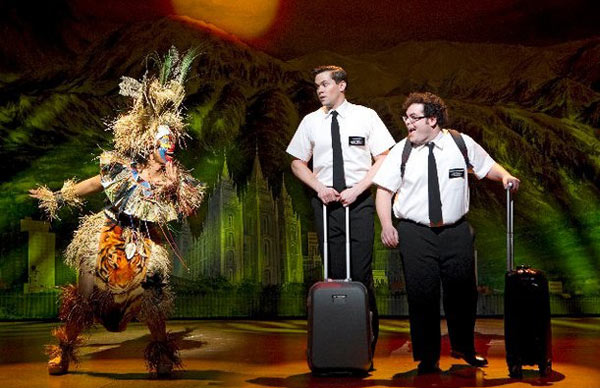
It took about three years for The Book of Mormon to arrive in Memphis from its original Broadway premiere. I didn’t listen to one second of the music during that whole time because I wanted to be surprised by the lyrics and story. Needless to say, the story itself is fairly simple; two young Mormon missionaries are sent to Uganda for their two-year stint. Having lived in Zimbabwe as a child of Christian missionaries, I can safely say the experience the two have upon arrival is eerily and comically perfect. Africa, though presented by some of its worst qualities, shines through as a tough place where real shit goes down, which it is. Therefore the jokes about men raping babies made most in the audience uncomfortable because, deep down, they knew (or became aware of then) that things like this happen.

I was insanely entertained by the whole show, being a fan of South Park. Those who would claim that the show just attacks Mormonism are simply missing the point; the show ultimately posits an absurdity in holding any system of religious belief. Parker and Stone, like many before them, make the point that religions are nothing more than metaphors by which to guide one’s life. This idea comes up often during South Park: that strict dogmatism often leads to unhappiness. So while Mormonism is the prism through which this idea is viewed, I argue that the musical deals ultimately with much more than the one religion. People who take offense at such things often miss that the creators of South Park have taken great care over the years to offend everyone equally, regardless of belief-oriented affiliation.

The Book of Mormon parodied many elements and traditions of musicals, as the creators are wont to do. Many of the songs contains leitmotifs or riffs from other famous musicals in order to further the meta-narrative quality of the production. By no means is this a family show, in the traditional sense. Cursing and “real talk” are par for the course, and no one shies away from all possible outlets of sexual and religious conflation for comedic effect. (One line that stands out, regarding baptism, is when a female character states she is “wet with salvation.”) If you are easily offended, I don’t know why you would consider going in the first place, but you should go. It’s easily the funniest Broadway show I’ve ever seen, and it does challenge one’s sense of humor. I laughed out loud steadily, but several moments gave me pause.

The realistic portrayal of the hardship of missionary work and the even harder quotidian circumstances for Africans undeniably make this musical what it is; without those, it might amount to nothing more than the sum of its jokes. But the leads (the two Mormon missionaries and the young African woman they attempt to convert) and their doubts are some of the strongest moments of this unforgettable show.

Jonathan May watches too much television, but he’s just playing catch-up from a childhood spent in Zimbabwe. You can read his poetry at owenmay.com, follow him on Twitter at @jonowenmay, or email him at owen.may@gmail.com

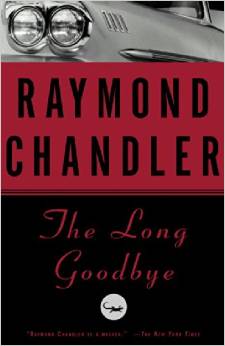
Life After the Star Wars Expanded Universe: Raymond Chandler’s The Long Goodbye

download

Andrew Findlay

In Life After the Star Wars Expanded Universe, we take a look at science fiction and fantasy, why they’re great, and what they say about where our species has been and where it’s going. 

This one is a bit of a stretch. There are no spaceships, no wars over nascent technology, no deadly viruses, and no door-opening dinosaurs. There are a whole bunch of drunks, smog, and Oldsmobile convertibles. Yessir, this book takes place in 1950s L.A., the world of doctor-endorsed cigarettes, movie stars, mansions, and extensive highway systems. It still fits here because this book and almost everything after it owes its existence to the pulps, a medium that infused SF with the life it needed to become the powerhouse it is today, where it seems half of all new TV shows and movies have at least some type of speculative element.

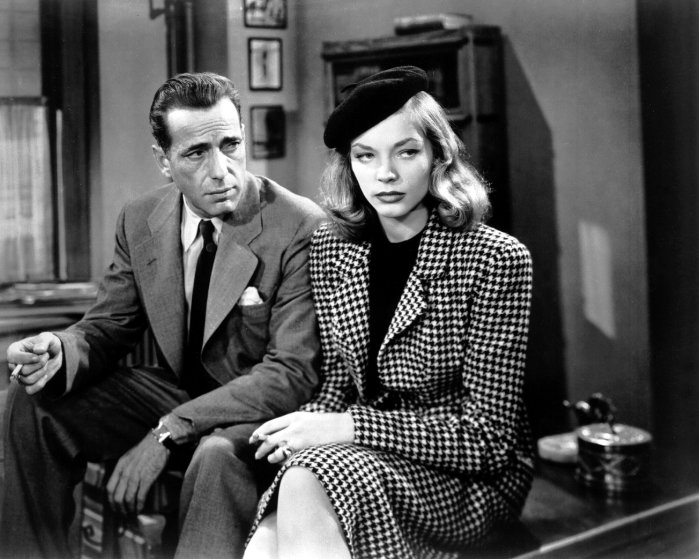
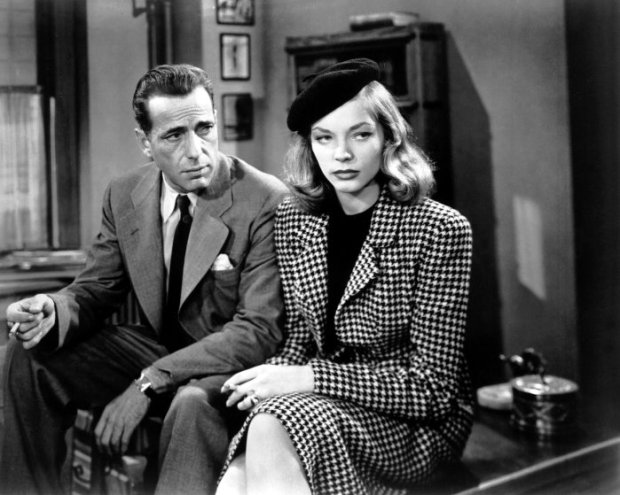
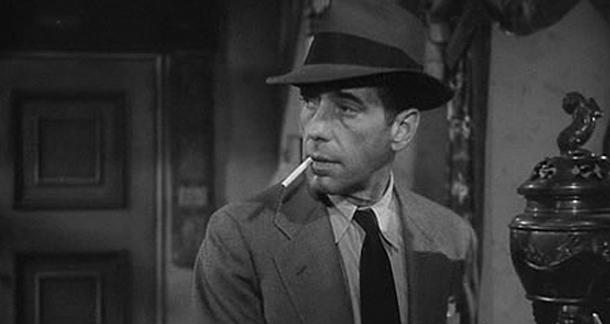
Pulps were magazines published on cheap, rough-looking wood pulp paper. They were about half the price of the more prestigious magazines, and they published detective stories, horror fiction, adventure fiction, and science fiction. It was something cheap to read on the train and then throw away. A lot of writers who went on to publish their own novels ate on the checks they won from these magazines. Raymond Chandler wrote for Black Mask, which specialized in mysteries. Chandler has a weird story, as far as writing goes. He was a top oil executive pre-Depression, but lost his job and decided to try his hand at writing. His first short story was accepted at 45, his first novel published at 51. It is an impressively late start for someone who created such an enduring legacy in American fiction. He took what James M. Cain and Dashiell Hammett started and forged it into one of the most recognizable subgenres out there: the hard-boiled detective story. Their protagonists are hard-fighting, hard-drinking men with a cynical outlook on life and a questionable relationship with the rest of the human race. Their style is one of spare, densely descriptive prose. The atmosphere of the books (at least The Long Goodbye) is more oppressive and fully-built than most other novels – this type of fiction lives on style. A lot of that style is created by the cynical, fast-talking wisecracking of the main character, Philip Marlowe. Basically, Raymond Chandler and Humphrey Bogart together created the American cultural memory of how men spoke in the 40s and 50s. In fact, Bogart delivered the defining film interpretation of Philip Marlowe in the movie version of Chandler’s first book, The Big Sleep.
MV5BMTg3NzQ0NTY4NV5BMl5BanBnXkFtZTgwNDY1MzU5MTE@._V1__SX1305_SY559_

If you have not seen Lauren Bacall and Humphrey Bogart acting together, you do not know what American cinema is.

The words and delivery of the main character form so much of the atmosphere of this book that the analysis of the few choice quotes that follow is necessary for an understanding of the book.

I. Intro

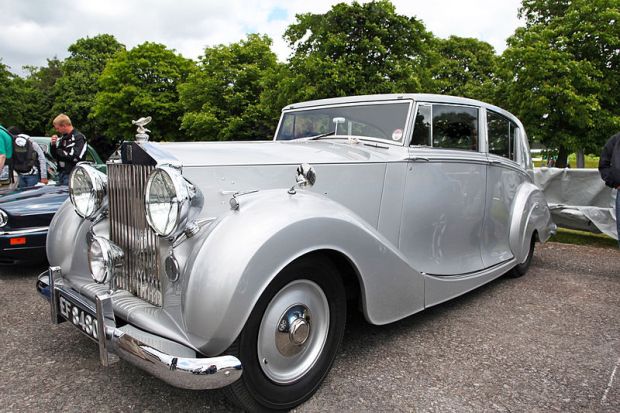
The first time I laid eyes on Terry Lennox he was drunk in a Rolls-Royce Silver Wraith outside the terrace of The Dancers. The parking lot attendant had brought the car out and he was still holding the door open because Terry Lennox’s left foot was still dangling outside, as if he had forgotten he had one. He had a young-looking face but his hair was bone white. You could tell by his eyes that he was plastered to the hairline, but otherwise he looked like any other nice young guy in a dinner jacket who had been spending too much money in a joint that exists for that purpose and for no other.

This is the first paragraph of the novel. It introduces the principal mystery-driving character of a mystery story, so it is pretty important. This uses really simple language to convey a lot of information. First, the description of the character: young face, white hair, drunk as hell. A lot of descriptions work this way – Marlowe’s inner monologue always gives details about every new person in the story, and it is always a handful of key details that then leave you with more than enough to construct a full character. Hard-boiled detective fiction is the spiritual successor of of Hemingway’s iceberg theory of writing. Also, the stylistic flourishes like “as if he had forgotten he had one” and “plastered to the hairline” are beautiful examples of Bogart talk, which, again, Chandler played a key role in inventing.
1948_Rolls_Royce_Silver_Wraith_Freestone_Webb_Coachwork

The Rolls-Royce Silver Wraith. There’s a line in the book saying that this is more attractive than women, so… different times, I guess?

II. Bogart Talk (BT henceforward)

These quotations are collected from all over the book, and the BT is strong in all of them.

And the next time I saw a polite character drunk in a Rolls-Royce Silver Wraith, I would depart rapidly in several directions. There is no trap so deadly as the trap you set for yourself.

Notice the information-dense recall of Terry Lennox (who has since caused Marlowe a heap of trouble): the “polite character drunk in a Rolls-Royce Silver Wraith,” followed by the darkly, impossibly humorous “depart rapidly in several directions,” capped off by the cynical and truthful commentary: “there is no trap so deadly as the trap you set for yourself.”

They put as much muscular activity into a telephone conversation as I would put into carrying a fat man up four flights of stairs.

This second quotation is less complex, but still a great distillation of BT. Cynical, removed, semi-humorous view of the world tinged by disgust at what is being observed, summed up by a weird simile. The jarring quality of the strange simile stretches it almost to tearing, but it doesn’t tear, and the result is stronger than a more measured comparison would be.

The fellow who decorated that room was not a man to let colors scare him.

Not much to say here, just perfect dismissiveness and darkly humorous cynicism

I kissed her some more. It was light, pleasant work.

Again, cynicism and humorous dismissal, the humor arising in large part from the extent of the dismissiveness. Sure, Marlowe’s pretty excited, he’s kissing a beautiful woman, but all he reports is the hilariously understated “It was light, pleasant work.”

III. Social Commentary

Sheriff Petersen just went right on getting re-elected, a living testimonial to the fact that you can hold an important public office forever in our country with no qualifications for it but a clean nose, a photogenic face, and a closed mouth. If on top of that you look good on a horse, you are unbeatable.

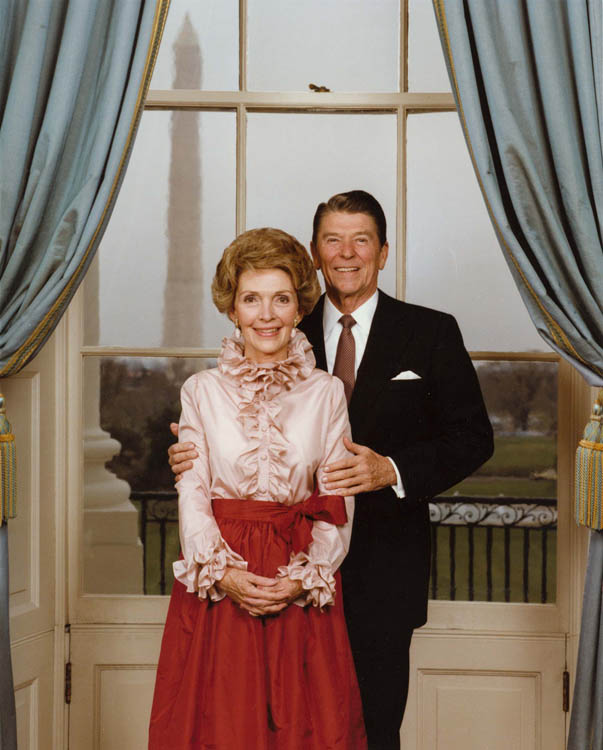
So, The Long Goodbye gets a lot of credit for being a vehicle for social commentary. Here is just the barest snippet, a beautiful dismemberment of the political process. Winning elections is all, all appearance, and no content. If you think Chandler or Marlowe is excessively cynical, just know that handsomeness has had a ridiculous influence on election results ever since Nixon and Kennedy. As a more recent example, I voted for Obama both times (it’s turned out kind of meh, but his stated platform was not explicitly evil, so). I remember being a lot more worried about Romney v. Obama than I was about McCain v. Obama. What created this dynamic? Obama is energetic and attractive, and McCain came off as an angry, wrinkled old man. Romney, on the other hand, was in roughly the same spot as Obama on the attractiveness spectrum. Policies aside, the man’s face is so chiselled it looks like he is currently on Mt. Rushmore. He ended up losing, but especially after that first debate, I was concerned he wouldn’t. Against an incumbent president. Because he was so pretty. Chandler knew and dismantled this failing of the American political system more than half a century ago, and it is only one of the smallest pieces of social commentary he weaves into this book.
President_and_Mrs._Reagan_pose_in_the_Blue_Room_for_their_official_portrait_1981

Walter Mondale didn’t stand a fucking chance.

IV. Philip Marlowe is a badass

A basic requirement of a hard-boiled protagonist is that he know his way with his gun, with his fists, with a chair, or with whatever blunt objects happen to be within reach. The assumed badassery of the character is key. That being said, Marlowe is not some two-bit punk. He does actually try to avoid violence as much as possible, and he shows quite a bit of sentimentality whenever events break through his wisecracking exterior. Anyway, observe:

I started to get up. I was still off balance when he hit me. He hooked me with a neat left and crossed it. Bells rang, but not for dinner. I sat down hard and shook my head.

So, this is describing when Marlowe was being questioned by police and made one angry on purpose to get him to hit him so he could gauge his threat level. The data gathered from this experiment indicated that this cop was more a boxer than a fighter, and that Marlowe would be able to take him to pieces if he hit him again. First off, inciting a punch to the face as a fact-finding mission is amazing. Secondly, the BT involved in “Bells rang, but not for dinner” to indicate that it was a hard hit, but only hard enough to make him shake his head, is a perfect incarnation of the form.

You’re a piker, Marlowe. You’re a peanut grifter. You’re so little it takes a magnifying glass to see you. I didn’t say anything at all.

Marlowe is being directly insulted here, but is cool and collected enough to take no offense, let the man keep talking, and say nothing at all. A key feature of the hard-boiled hero is self-control and a certain superiority to emotion-driven idiots. He controls his emotions. Until the man is done talking, that is.  At the end of the conversation, this guy who has been flaunting his wealth and calling Marlowe a nobody left his valuable cigarette case behind. Marlowe moves to return it, and then:

“I got a half dozen of them,” [the rich asshole] sneered.

When I was near enough to him I held it out. His hand reached for it casually. “How about half a dozen of these?” I asked him and hit him as hard as I could in the middle of his belly.

A lot happened here. Saying nothing, taking it with equanimity at first. After the exchange has taken place, being taken over the edge by a final snide comment. Then, Marlowe accomplishes two things: flooring a man who has been shitting all over him and inserting a wonderful piece of BT as he does it, “How about a half a dozen of these?” Someone has been served here, and it ain’t Marlowe.
litreactor-marlowe

I don’t always smoke, but when I do, it’s after watching a Humphrey Bogart movie.

Chandler has been called a hack by some and a thief by others (he has a lot in common with earlier crime writer Dashiell Hammett). Those calling him a hack are hacks themselves, and those calling him a thief should realize that he did not steal a style, he polished and perfected it. He gave to American crime fiction a literary element it didn’t quite have before. His densely-packed, evocative prose created a legion of admirers, from Paul Auster to Joyce Carol Oates. Again, he almost single-handedly invented an entire style of dialogue.

The overarching plot of the book is a little crazy. Marlowe happens to meet a drunk at a club and finds out he has a beautiful wife. About ten pages later, the beautiful wife is dead and the drunk is at Marlowe’s house with a gun asking for a ride to Mexico. The drunk is a bit nervous, so Marlowe pours him a big shot of Old Grand-Dad (which I have been drinking steadily while writing this article). He takes him out of the country, returns, and spends the rest of the book navigating a world of shit as he attempts to find out what happened. By the denouement, there are so many twists and turns and moving parts that the whole thing almost comes crashing down. Almost. That being said, I hit the last 200 pages of this book and could not stop, meaning that I read until five a.m. and went in to work on just under three hours of sleep. Sometimes crazy is good. In addition, the solid, vivid atmosphere put together by Chandler alongside the snappy dialogue means that if it had been a story about the night shift at Pizza Hut, I still would have read it.

American crime fiction started its life in the literary backwater of pulp fiction, and a lot like SF, has since migrated into the mainstream. Raymond Chandler’s cynical style, sparse prose, and satisfying plotting laid a lot of the groundwork for that. He considered The Long Goodbye his greatest work, and you should too. Read it right now.

Andrew Findlay has strong opinions about things (mostly literature) and will share them with you loudly and confidently. You can email him at afindlay.recess@gmail.com.

Images: IMDB, Amazon, and Litreactor
Tough Questions: If You Had to Move Tomorrow, Where Would You Move?

question-mark

Every week we ask everyone who hangs out around here to answer a tough question. This week:

If you had to move tomorrow, where would you move?

Rules are simple: get out of here. People are obsessed with movement and change. This week we ask everyone to pack their bags and move away. You’ve already got the wanderlust, where are you going?

Alex Russell

I love Chicago and I do not want to leave. It’s about to get to the oppressively hot part of the year here, though, and I’m one of the few people that hates the city in the summer more than I do in the winter. I moved here to get away from the 103 degree summers of the South, so I don’t appreciate when Hoth gets hot for a few months.

I’m not a beach guy, but I was in Santa Cruz, California on July 4th in 2008. This picture does not do it justice, but something about the weirdness of one of the last great beach towns in the country really, really stuck with me. Everyone was what you can only call “specific.” It’s not somewhere I could live for a decade, but there are worse places to turn 30, I think. There are definitely worse places.

CIMG0154

Jonathan May

New Orleans! I love everything about the city: the food, the people, the connection to the water, the art. Since my friend Tyler moved down five or more years ago, I stay with him a few times a year, and it’s always a magical time. I love how close a lot of things are; you can do a lot of great walking and people-watching. The museum has some real treasures in it, and their cafe puts golden raisins and dill in their chicken salad (so good!). But most of all, just being in the city, with the susurrus of the crowd along the sidewalk and in the street, you lose yourself in the beautiful history of people promenading along the boulevards slowly with coffee or booze, in no great hurry to see the world that day, just one beautiful slice of it. I’ll there for July 4th this year, and I can’t wait!

Andrew Findlay

This is confusing to me. Am I being chased? Has a job opportunity opened up? I would either go to Memphis, where rent is about thirty percent of what it is here, or to Paris, where things are awesome. D.C. is great and all, but it’s kind of an in-between city – not as cheap as some, not as astounding as others.

Brent Hopkins

I would probably move to Busan, South Korea if I had to move tomorrow. I have been missing the ocean recently and also generally having a metropolitan area to roam around in. I have been slowly making my way south in the peninsula may as well pull the band-aid off and go all the way south.

Gardner Mounce

San Francisco. Does it matter that I’ve never been? No. I’ve seen pictures and I’ve watched Full House, and everyone agrees that it’s the most beautiful city on earth. This is a picture of me in San Francisco, but as another person.

trolley-2013-10111

See how happy I am?

Major Issues: Saga #20 and Binge Watching vs. Actually Doing Something

image

In Major Issues, we look at one newly released comic book each week. Updated Fridays.

Gardner Mounce

Saga #20
Written by Brian K Vaughan

Art by Fiona Staples
Published by Image Comics
Release: 6/25/2014

Saga is not a comic for the faint of heart. It’s irreverent, crude, and pairs attraction with repulsion like a sociopathic sommelier. For example, this very NSFW picture of a naked woman with a spider vagina. Awesome! Saga is a mixed bag. It sometimes hits with you an ethical quandary, and sometimes hits you with arachnid genitals. Just like in life.

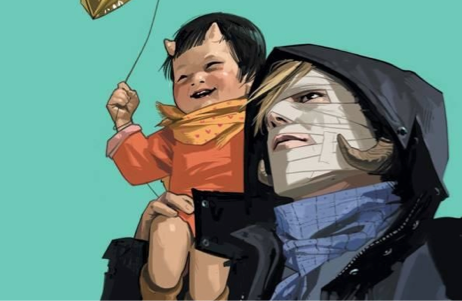
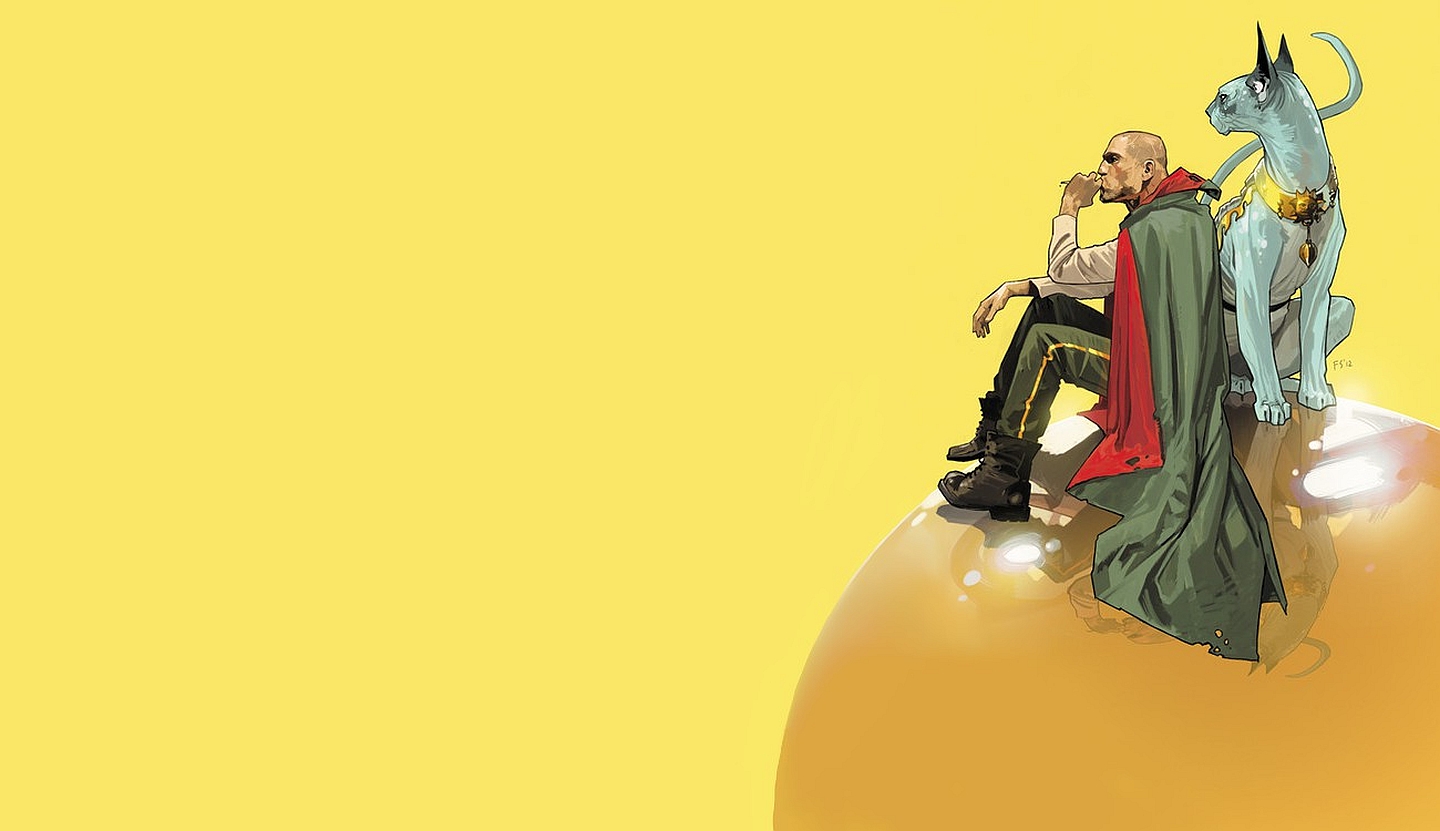
If you know nothing about the comic, it’s the story of Alana and Marko, citizens of the planet Landfall and its moon Wreath, respectively. Landfall and Wreath are at war, but since the destruction of one would mess up the other’s orbit, the war has been outsourced. It’s Star Wars meets Romeo and Juliet with a whole lot of Vonnegutian humor.

Of the many things Issue 20 deals with (drugs, dance lessons, …) it spends some of its time with Alana at her job at the Circuit (a television station, of sorts). She gets into a conversation with a coworker about what capital-g Good, if any, they’re doing as actors of the Circuit. The coworker says none; they’re drug-dealers, and the Circuit is the opiate for the masses. Alana counters by saying that as a kid she watched a Circuit show that irrevocably changed her views on poverty. But, her coworker counters, “What did you do? Join a nonprofit organization? Volunteer at a soup kitchen? Or did you lock yourself in a tiny room, shut the blinds and mainline every transmission like a junkie?”

This is a great question for our binge-watching culture, and the type of thing Saga is wont to ask. I’ll state it in another way: Is a story considered a failure if the audience doesn’t internalize the unique perspective and act on it?

It reminds me of a similar question brought up in Fahrenheit 451. In that book, the scholar-in-secret, Faber, argues that there are three things a healthy culture requires to avoid ossification: art with texture, leisure time to reflect upon that art, and the ability to act on the lessons learned from it. In our culture, I think that we do plenty of the first two, but do we allow ourselves to act on the implications of the art we engage with?

Allow me to completely derail this Saga train and talk a little about Orange is the New Black (no spoilers) because it’s a good example. Can we watch OitNB and shirk the onus to reform the prison system? Well, people do. But is this right? Are we avoiding the third step of Faber’s advice in Fahrenheit 451 and putting our society at risk of ossification? The best answer I can give is that social reform is a (possible) positive byproduct of good story, but not story’s objective.

The first thing stories do, as David Mamet says, is to order the universe into a comprehensible form. A story is working if your first inclination once an episode ends is to watch another one. That means you’re invested in its characters, in its world. It is ordering the universe into an exciting and comprehensible form and giving you some new perspective or understanding of it. And so a writer’s objective shouldn’t be “Well, I’m going to teach them all something,” but “I’m going to drop them into the world of story and show them (in an interesting way) a little of what it’s like to be these particular human beings.” If a story’s success was based on its ability to teach something, then we could reduce stories to preaching and pamphleteering. Our stories would all come to resemble The Pilgrim’s Progress. And, of course, stories are so much more than this. Great stores are like a black box we get dropped into. Once we get to the other side, we should be changed in some way. Maybe we don’t have a new answer, but we have a new perspective. In the case of OitNB, we see that the prison system is a dehumanizing system. It is not something the writers force on us like a sermon, but a condition of the characters’ lives. It is a necessary and unavoidable element of telling the story honestly.

But once we have that new perspective, is it wrong to not act on it? Are we watchers of OitNB immoral for locking ourselves in a dark room and binge-watching instead of working for prison reform?

Maybe you know more about the problem than I do, and maybe it’s not as bad as it seems, but based on what I know, I feel like I should do something. Am I going to go start a nonprofit? Rally in the streets? Honestly, no. But I will vote differently, and I will speak up in conversation. After all, maybe that’s the best way to effect social change–through stories, not through argumentative means, by showing how human lives are affected by the dehumanizing systems we have created, and creating empathy for them.

443816

Should you get it?

(Saga, not Orange is the New Black)

Yes. Though Saga has its weaknesses (almost all of the characters’ voices sound the same) it’s one of my favorite ongoing series. It’s smart, consistently hilarious, filled with bizarre environs and ridiculous characters, and very punk rock. It also raises great questions (see above article). You can get the trade paperback of the first six issues on Amazon or at your local comic book shop for $9.99.

Gardner Mounce is a writer, speaker, listener, husband, wife, truck driver, detective, liar. When asked to describe himself in three words, Gardner Mounce says: humble, humble, God-sent. You can find him at gardnermounce.tumblr.com or email him at gmounce611@gmail.com 

Video Games as Literature and The Stanley Parable’s Answer to “What is a Game?”

stanleyatdesk

Alex Russell

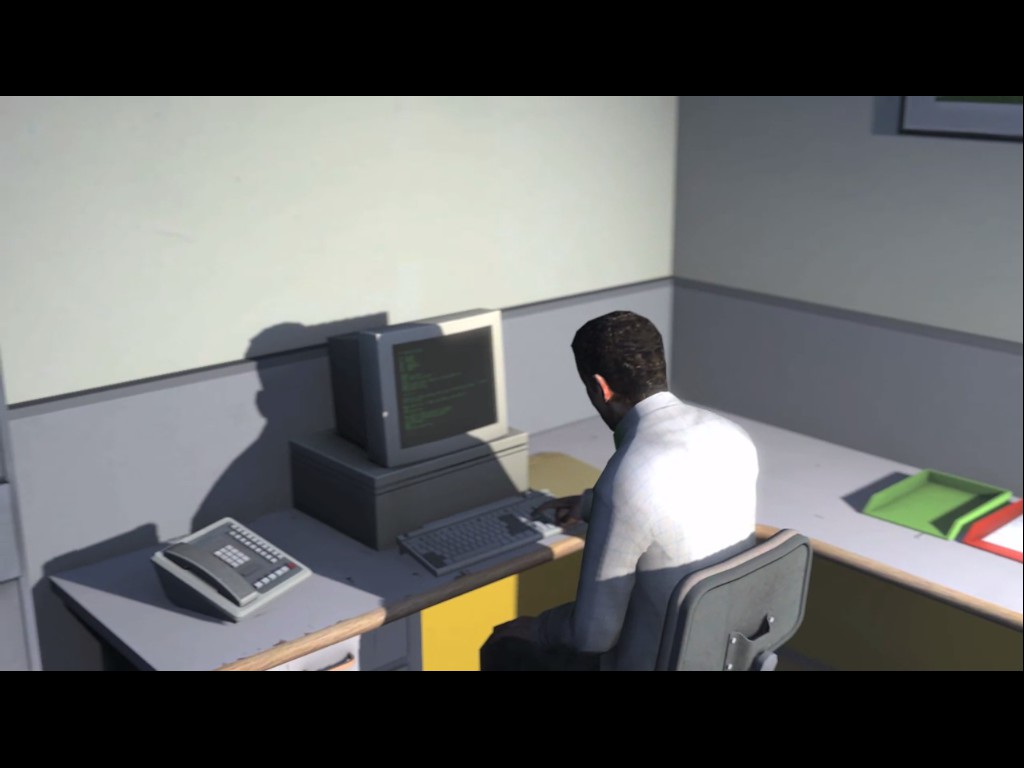
You are Stanley, and your job is to push buttons when a screen tells you to push buttons. You like your job fine enough normally, but today is different. Today, no one came to work. Today, the office is entirely empty except for you.

That’s where The Stanley Parable starts out, and that’s how it always starts out. The Stanley Parable isn’t a traditional game in a lot of ways, but it has a defined start. Every single playthrough starts with Stanley in his office, alone. Where it goes after that is up to you.

During each “run” of The Stanley Parable, a narrator narrates your actions just before they happen. He may say “Stanley went through the door on the left” just as you confront two doors. It’s up to you to then either follow the narrated story and play out the “true” The Stanley Parable or to “break” the game and make another choice. Most of them are just that simple: the game says you went up the stairs, but maybe you go down the stairs, and so on.

If you do what you’re told every time, you’ll finish the game in about 10 minutes. You’ll discover some secrets about what appears to be a simple office, and you’ll “beat” the game. That’s one way to do it, and it’s not wrong to do so. You’ll experience a complete story. You’ll learn something.

But you’ll learn just as much if you take the door on the right. You’ll learn about who Stanley really is (maybe) and what’s really going on with all these choices (also maybe). You have to decide for yourself what the story of the game is, and it changes a little bit every time.

everyoneisunique

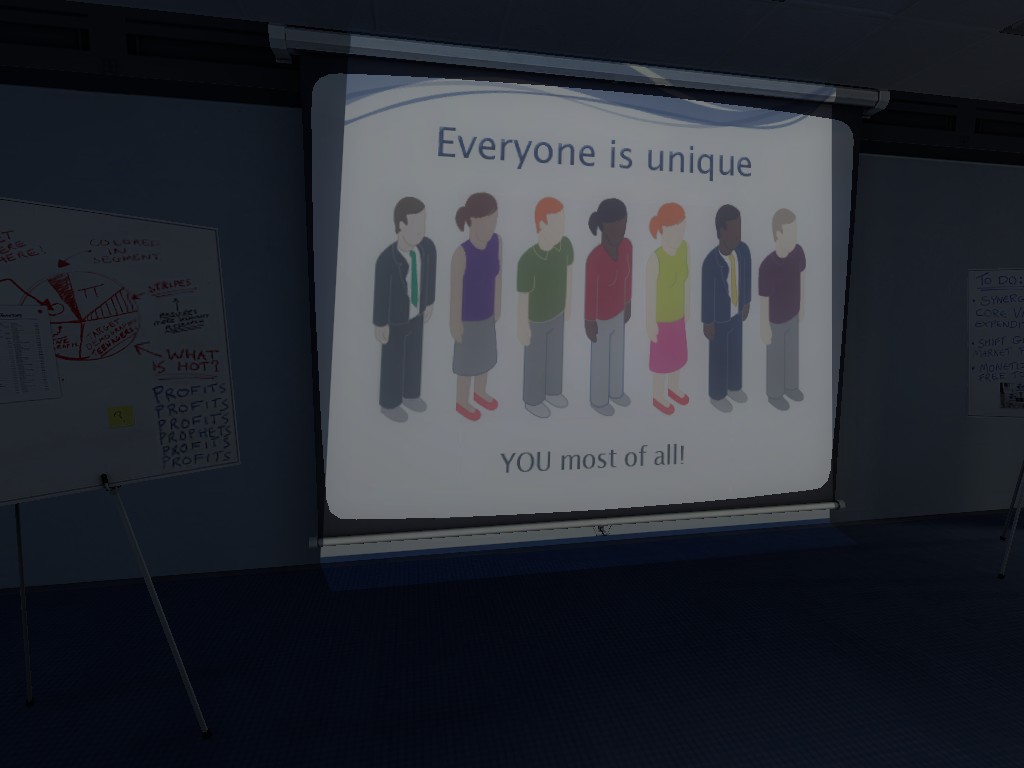
Frighteningly realistic workplace graphics.

The full The Stanley Parable experience involves playing it until you see every ending. You’re in for about three or four hours or so maximum if you do that, and that can make the price tag tough to swallow. You can buy it on Steam for the price of a movie in the theaters (though it’s been much cheaper during the Steam Summer Sale) and you will only feel cheated if you assign dollar amounts to fun in strange ways. I can absolutely assure you that this isn’t what you expect, and that much is worth it alone.

The only other thing to discuss is something that has come up a lot lately in games journalism. It sounds dumb, but it boils down to “is The Stanley Parable a game?” Since there are dozens of endings and you can’t really die, there’s no such thing as a fail state. Some of the endings involve the narrator restarting your game and calling you an asshole, essentially, and even those are “true” endings. The Stanley Parable is more interested in testing the boundaries of what beating a game means than it is with what “a game” is in the first place, but people love to debate this stuff. Gone Home, one of the best games of the last few years, is often labeled a “walking simulator” in Steam. It’s meant to be a dig, because in Gone Home the only gameplay is walking around and uncovering a mystery. The only gameplay in The Stanley Parable is making choices and uncovering different endings.

dangereverywhere

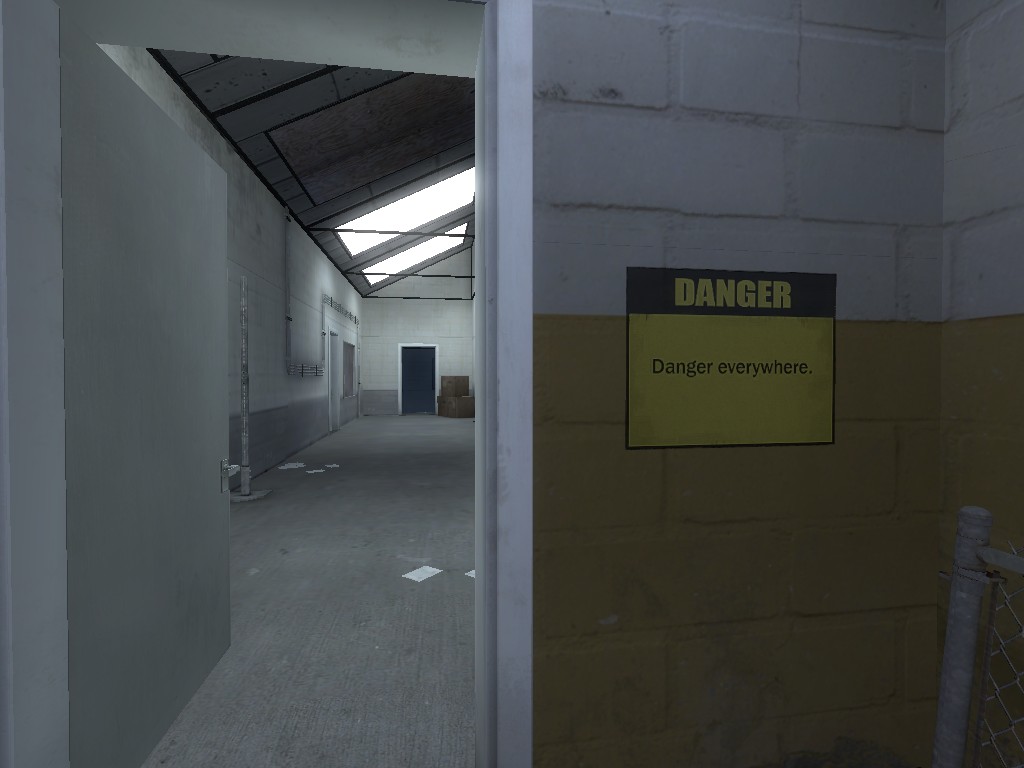
Hostile work environment.

The Stanley Parable is open to interpretation. It’s a sort of “choice simulator” where the entire fun of the experience is that every choice is valid. You experience what it means to do A instead of B, but you also consider the fact that most choices don’t really matter. You get very different endings based on what you do, but you never know what inputs will give you what outputs. There’s no morality assigned to going down a staircase instead of going up one, but making that choice once determines if you stay sane or not. So instead of the choices in a lot of games about the morality of good and evil, the choices in The Stanley Parable exist to remind you that you are shaped by decisions that you don’t understand. Your life doesn’t have a narrator that you can listen to or ignore, but your life is also shaped the same as Stanley’s.

I say it counts as literature even without a “real” ending. It’s the story of choice, which is really what every story boils down to, even though most of them don’t start with door number one or door number two.

Alex Russell lives in Chicago and is set in his ways. Disagree with him about anything at readingatrecess@gmail.com or on Twitter at @alexbad.

Worst Best Picture: Is Rocky Better or Worse Than Crash?

rocky37ul1.6843

Alex Russell

In “Worst Best Picture” we search every single Best Picture Oscar winner of all time from 1927 to present to uncover the worst of them all. Conventional wisdom says that 2005’s winner Crash is the worst winner in history. We won’t stop until we’ve tested every last one. Read the the first, our review of Crash, here. Posts will be relatively spoiler free, but there may be some details revealed. Today’s installment is the 1976 winner Rocky. Is it better than Crash?

Network and Taxi Driver both came out in 1976, the same year Sylvester Stallone cemented his place in pop culture with Rocky. There is absolutely no question that the endurance of Rocky as an underdog story and the permanent representation of boxing is deserved. It’s Rocky. You don’t need me to tell you what Rocky is.

It’s strange, though, to consider it as a “film great” against Network and Taxi Driver. They’re both better movies, but not to the degree that this is some kind of historical slight. I’ve never heard anyone call 1976 a travesty in the way people talk about Saving Private Ryan losing to Shakespeare in Love or The English Patient beating Fargo. The official Oscars website has a big picture of Frances McDormand on their page for 1997 despite the loss, but 1976 belongs to Sly and Rocky.

There are many movies on this list that I’ve never seen, but there’s only a few that seem strange to me to have missed. Until a few days ago, I had never actually watched all of Rocky. It’s a weird thing to do for the first time. I’ve seen so many parodies and homages and references to it, but I’d never seen the source material.

The overwhelming thing about Rocky is that you just about can’t understand a damn word Sly Stallone says. Rocky the character is supposed to be a sleepy, kinda-dumb-kinda-not every-man, of course, but it’s weird to have heard so many impressions and then hear how much weirder the voice actually is. Sly’s the same weird guy in every movie, but as Rocky he’s full-on marblemouth. You probably already know that, but it’s no less weird to finally hear it happen.

He’s a boxer who never got a shot and then he gets one. He fights the heavyweight champ. He gets the girl, though he’s always had the girl. It doesn’t need to be more than it is. It’s Rocky, the feel-good punching story of our lives. It’s not the chilling tale of Taxi Driver and it’s not the risky parable of Network, but it’s fine. Rocky shouldn’t be what we have as the history of 1976, but it’s no huge insult to its betters, either.

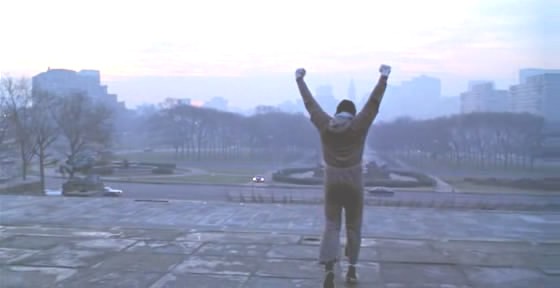
The Best Part: The climactic fight is great, of course, but it’s the bit you already know: the training montage with the art museum steps and the glass of eggs and the train tracks and the song. The movie wanders around Rocky’s love life for a long time and they spend too much time establishing that you should feel bad for this lug, but the montage is iconic for a reason. It’s hard not to get excited, even though you know what’s coming.

The Worst Part: I spent a lot of time thinking about Talia Shire, the woman who plays Rocky’s love interest Adrian. She’s trapped in a weird place in Rocky. Rocky genuinely loves her and her life’s a mess, so it’s probably for the best that she falls for him, but she still doesn’t really get a lot to do. No one other than Rocky himself really gets much to do, honestly. There’s nothing really below the surface for anyone else, and some of the “emotional” outbursts from other people feel strange because they’re mostly ciphers.

Is It Better or Worse than Crash? I’ve mostly used this space to assault Crash as a dumb, hateful view of race in America. It’s definitely that, but it’s also the story of unlikable people becoming likeable and vice versa. Crash wants to play with your emotions; the good guys aren’t always good and the bad guys are usually complicated. Crash gets a lot of hate because it’s ham-fisted, but it’s trying to do something complicated. Rocky isn’t trying to do anything complicated at all. If these were both made with the same amount of care, Crash would be the far better story. They’re not, though, and Sly Stallone’s love-song to underdogs is more compelling.

Worst Best Picture Archives: Crash | Terms of Endearment | Forrest Gump | All About Eve | The Apartment | No Country for Old Men | Gentleman’s Agreement |12 Years a SlaveThe Last Emperor | The Silence of the Lambs | The Artist | A Man for All Seasons | Platoon | The Lord of the Rings: The Return of the King | The King’s Speech | Rain Man | The Departed | The Bridge on the River Kwai | Marty | Gigi | It Happened One Night | Driving Miss Daisy | Shakespeare in Love | Wings | Midnight Cowboy | Rocky |

Alex Russell lives in Chicago and is set in his ways. Disagree with him about anything at readingatrecess@gmail.com or on Twitter at @alexbad.

Image credit: here.

What I Did With My Summer Vacation: Nathan For You

maxresdefault

Alex Russell

In What I Did With My Summer Vacation we explore shows you should catch up on during TV’s slowest season. This week: the nervous weirdness of Nathan For You.

It’s summer, and TV is dead. Even with Netflix releases of shows like Orange is the New Black, we’re still mostly at the mercy of TV scheduling to determine when we watch new stuff. If your DVR looks like mine, right now you don’t have much to catch up on. This is the perfect time to start something new. For the next few weeks, we’re going to go over what you should watch to get ready for the glorious return of fall TV.

The first installment is Nathan For You, a supremely strange show that had an eight-episode first-season run on Comedy Central last spring. In each episode, comedian Nathan Fielder meekly suggests business ideas to struggling local businesses. They range from the simple and bad (a cab service where you can opt out or in to conversation with the driver) to the complex and bad (a gas station that offers “free” gas with rebate where the rebate requires customers to climb a mountain and sleep in the woods).

The real joy of Nathan For You is that these ideas aren’t complete jokes. For a brief second, all of them seem like they have a chance at working. When Nathan suggests that a burger place claim that they have the best burger in town — and they’ll give you $100 if they’re wrong — you definitely feel compelled to go to the burger place and see. Watch this three-minute clip from the episode:

The business owners in these episodes always come off genuine. Nathan only shames people or makes them look stupid if they’re actually terrible people. There’s an episode with a private detective who is genuinely awful, and it’s fun to watch Nathan make him look like an idiot on TV. There’s a very The Daily Show with Jon Stewart feel to those interviews, but in this one the burger guy just seems genuine. He wants you to eat his burger and he thinks it’s the best in town, he’s just not sure he wants to risk $100 that he’s wrong. Nathan offers to put up the cash himself, and the game is on. You might see where this is going.

“Cringe TV” can be pretty awful. I’ve written before about how The Office was a fun show, but 22 minutes of Michael Scott disappointing inner city kids in “Scott’s Tots” doesn’t work because it’s too mean and too sad. Nathan For You has some rough moments to watch, but they’re all at Nathan’s expense. When he offers people a free pizza if a pizza place can’t deliver in eight minutes, you know it’s going to end badly. But when the customer is angry that the free pizza is the size of a hand, Nathan’s the one who gets yelled at. It’s funny because you think the poor real pizza delivery guy is going to catch hell, but it’s this nervous Canadian comic instead. The pizza guy getting yelled at is sad; Nathan having shit rain down on him is amazing.

You should start with the gas station episode. It’s really beyond description to watch people file into a van to spend the night in the woods with Nathan to save miniscule amounts of money on gas. The creators’ choice to pop up images about how little people are saving as they go through the ridiculous rebate process is inspired. Watch it, love it, and throw the new one airing tonight on your DVR. What, what else are you watching tonight?

You can watch all eight episodes of season one of Nathan For You on Comedy Central’s website.

Alex Russell lives in Chicago and is set in his ways. Disagree with him about anything at readingatrecess@gmail.com or on Twitter at @alexbad.