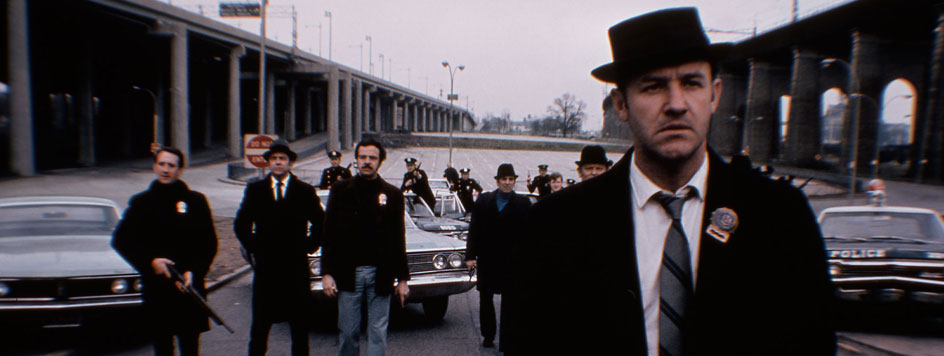
terrible

Worst Best Picture: Is The French Connection Better or Worse Than Crash?

gene hackman the french connection

image source: oscars.org

Alex Russell

In “Worst Best Picture” we search every single Best Picture Oscar winner of all time from 1927 to present to uncover the worst of them all. Conventional wisdom says that 2005’s winner Crash is the worst winner in history. We won’t stop until we’ve tested every last one. Read the the first, our review of Crash, here. Posts will be relatively spoiler free, but there may be some details revealed. Today’s installment is the 1971 winner The French Connection. Is it better than Crash?

If anyone ever asks you if you’ve seen The French Connection, all you have to do is say “oh, man, that car chase is awesome!” That’s it. Maybe mumble something about Gene Hackman. Then change the subject and ask whoever you’re talking to about a neat fish you saw once. You made it out of that conversation, and I’m proud of you.

The French Connection is all about a good cop who ain’t all that good, y’know? Gene Hackman plays “Popeye” Doyle, a cop bent on bringing down the drug trade. Some street arrests and small-time guys lead him to some French druglords in the heroin game, and there’s your movie. Let’s get after it.

Shit, do they ever get after it. There’s just about no time invested in character in The French Connection, which usually strikes me as obnoxious in a movie. Popeye should come off as stiff or uninteresting, but instead it’s clear that everyone involved in this movie knew where to find the meat. It’s 100% tone: everything is about dirty, gritty New York and the intensity of the cat-and-mouse chase. Every line exists to hammer home those things and only those things.

It’s an action movie, and there’s nothing necessarily wrong with that. The French Connection is the greatest version of something that’s become pretty awful in the last few decades. It never goes deeper than the frustration of the chase or the desire to escape, but that’s all okay, too. Plenty of action movies on this list look at more intense themes — there’s plenty of action in movies like Platoon and No Country for Old Men– but few of them stand as a love letter to a genre as well as this one.

The Best Part: The iconic scene is rarely actually the best part, but in this case I’ll make an exception:

The Worst Part: It comes across as a little slight when compared directly with the rest of this list. Just as Marty is just a love story, The French Connection is just an action movie. There are worse things to be, though, and it is rare that a movie does everything it set out to do.

Is It Better or Worse than Crash? They both have driving! Other than that, the best comparison is the fact that Gene Hackman’s character is a bit of a racist (he calls the head French druglord “Frog One,” though I guess that guy is an international heroin dealer, so, well, uhm) and an asshole, just like everyone in Crash. This comparison goes back to one of the first topics considered in this space: is it better to try to say nothing and say nothing or try to say something deep and fail? One of these two movies achieved everything it meant to. You’ll never guess which one.

Worst Best Picture Archives: Crash | Terms of Endearment | Forrest Gump | All About Eve | The Apartment | No Country for Old Men | Gentleman’s Agreement | 12 Years a SlaveThe Last Emperor | The Silence of the Lambs | The Artist | A Man for All Seasons | Platoon | The Lord of the Rings: The Return of the King | The King’s Speech | Rain Man | The Departed | The Bridge on the River Kwai | Marty | Gigi | It Happened One Night | Driving Miss Daisy | Shakespeare in Love | Wings | Midnight Cowboy | Rocky | Gone with the Wind | Chicago | Gladiator | Cavalcade | The Greatest Show on Earth | You Can’t Take It With You | The Best Years of Our Lives | The Godfather | CasablancaGrand Hotel | Kramer vs. Kramer | The French Connection

Alex Russell lives in Chicago and is set in his ways. Disagree with him about anything at readingatrecess@gmail.com or on Twitter at @alexbad.

Worst Best Picture: Is Kramer vs. Kramer Better or Worse Than Crash?

kramer vs. kramer

Alex Russell

In “Worst Best Picture” we search every single Best Picture Oscar winner of all time from 1927 to present to uncover the worst of them all. Conventional wisdom says that 2005’s winner Crash is the worst winner in history. We won’t stop until we’ve tested every last one. Read the the first, our review of Crash, here. Posts will be relatively spoiler free, but there may be some details revealed. Today’s installment is the 1979 winner Kramer vs. Kramer. Is it better than Crash?

My parents saw Kramer vs. Kramer on one of their first dates. My parents, both relatively recently divorced at the time, weren’t really in the right place to watch it. It’s also not really a great “date movie” on account of it being a movie about a divorce and a custody battle.

It’s been a long-running joke in my family that Kramer vs. Kramer was the last movie my mom got to pick out while they dated. It’s easy to see why: this is a damn brutal movie. I have no children and I haven’t been divorced and it hit me like a truck carrying another truck. If you’ve got some deeper connections to the themes, well, prepare yourself.

Within the first ten minutes, Joanna (Meryl Streep) leaves Ted (Dustin Hoffman). We aren’t given a lot of insight into exactly what’s wrong, but it’s clear that Joanna is unhappy, and she’s apparently unhappy enough to leave their son Billy (Justin Henry) behind, as well. Ted has to learn to balance a demanding job and a single parent household, and Billy has to learn to forgive his dad without really having any explanation for why his mom left. It’s hard stuff, but mom left completely, so everyone involved has to learn to start over.

Meryl Streep is out of the movie for a solid hour. It’s entirely about Ted and Billy bonding, and the mix of heartfelt moments and tough moments is effective. Billy wants his mom back, sure, but if all he has is dad then he’s going to make the best of it. Ted’s worn out and frustrated — one scene involves him making a drink and staring at a wall for a brief moment — but he’s proud of himself for being able to take over parenthood alone.

That makes it all the more difficult when Joanna comes back and wants to be in Billy’s life again. The custody battle is the bulk of the movie’s conflict, and it deserves not being spoiled at all. It’s emotional and powerful, and it’s amazing to see Dustin Hoffman and Meryl Streep both give (possibly) their best performances in the same movie. If I’m wrong there, then perhaps you can downgrade them both to “excellent” here.

What stands out the most is the difficult line that the story walks about who the “hero” is. We spend a full hour with Ted, but Joanna tells the court the story of the Ted we never got to see: married Ted. The real answer isn’t that Ted is a good father or that Joanna is a bad wife or that Ted is a bad husband or that Joanna is a good mother, it’s much more complicated than that. I think there’s a lot of interpretation to be done and Kramer vs. Kramer will hit different people different ways, but I really am struck by the complexity of everyone involved. Terms of Endearment has a similarly complicated view of how we interact with the people we love, but this is a much more difficult topic. Everything in Kramer vs. Kramer is a little difficult, but it manages to be emotional without being manipulative.

The Best Part: The courtroom scene is fantastic, of course. Both leads give outstanding performances and earn their respective acting Oscars many times over, but it’s Ted’s lawyer that stuck with me. Played by Howard Duff, he’s tasked with destroying Joanna on the stand. He’s brutal, and it speaks to the fact that even though Ted and Joanna are trying to make this as positive as they can, no one escapes these situations that way.

The Worst Part: Many Oscar winners go through some revision after the fact. Kramer vs. Kramer‘s version of that is a disagreement with my notion that both sides are played equally in the custody battle. Since the movie is from Ted’s perspective, mostly, it can be easy to side with him against Joanna or to paint her as flighty or “crazy.” I can definitely see the argument that it’s a proto version of “men’s rights” nonsense, but I disagree with that take.

Is It Better or Worse than Crash? I’ve said this a million times at this point, but it all goes back to realism. I feel for Ted and Joanna. Ted wants to make enough money to provide for his family and Joanna wants to hold her family together. No one is “bad” in Kramer vs. Kramer, they just make bad choices because they don’t have time to consider if they’re even making a specific choice or not. Ted works too much and Joanna keeps her problems inside. Neither of them works on their marriage with the other one and thus it fails them and Billy suffers. The message of Kramer vs. Kramer is that you have to be well-rounded in your life and take care of every aspect of your humanity. Crash would tell you that it doesn’t matter, because all people are villains at their core and all people are waiting to literally kill each other at the slightest provocation. When the “divorce-and-custody-battle” movie is the happier, more hopeful movie then you’ve really taken a wrong turn.

Worst Best Picture Archives: Crash | Terms of Endearment | Forrest Gump | All About Eve | The Apartment | No Country for Old Men | Gentleman’s Agreement | 12 Years a SlaveThe Last Emperor | The Silence of the Lambs | The Artist | A Man for All Seasons | Platoon | The Lord of the Rings: The Return of the King | The King’s Speech | Rain Man | The Departed | The Bridge on the River Kwai | Marty | Gigi | It Happened One Night | Driving Miss Daisy | Shakespeare in Love | Wings | Midnight Cowboy | Rocky | Gone with the Wind| Chicago | Gladiator | Cavalcade | The Greatest Show on Earth | You Can’t Take It With You | The Best Years of Our Lives | The Godfather | Casablanca | Grand Hotel | Kramer vs. Kramer

Alex Russell lives in Chicago and is set in his ways. Disagree with him about anything at readingatrecess@gmail.com or on Twitter at @alexbad.

Worst Best Picture: Is Grand Hotel Better or Worse Than Crash?

image source: wiki

Alex Russell

In “Worst Best Picture” we search every single Best Picture Oscar winner of all time from 1927 to present to uncover the worst of them all. Conventional wisdom says that 2005’s winner Crash is the worst winner in history. We won’t stop until we’ve tested every last one. Read the the first, our review of Crash, here. Posts will be relatively spoiler free, but there may be some details revealed. Today’s installment is the 1931/1932 winner Grand Hotel. Is it better than Crash?

You aren’t going to watch Grand Hotel unless you’re watching all 86 of these. There’s just no other reason to see it now.

It Happened One Night won the seventh Best Picture award in 1934 and earned a spot in the canon of romantic classics at the same time. It’s the first winning film that you might have cause to see on your own. The rest of the early winners, Grand Hotel included, are strange looks into 30s Hollywood. They’re fascinating in a way, but they don’t hold up in the way we think of “stories” today. Just as the audience in 1931 wouldn’t have known what to do with No Country for Old Men, we don’t really know what to do with the busy, crazy, dramatic Grand Hotel.

A brief plot summary is probably required. Grand Hotel apparently was the first movie where a lot of characters interacted with each other without realizing they’re all connected. It gave birth to the term “grand hotel theme” which describes just such a story. In Grand Hotel itself, the characters are all at the finest hotel in Berlin for various reasons. One man is dying of a mysterious disease, a businessman is trying to close an important deal for a merger, a performer is in hiding, and a jewel thief is, well, thievin’ jewels. They all are connected, and the movie’s whole point is to show the audience how.

The jewel thief robs the performer and falls in love. The dying man works in the businessman’s factory. The businessman hires a stenographer, and the stenographer turns out to be an aspiring actress. The stenographer thinks the businessman should be nicer to the dying man. The dying man just wants to drink all the champagne in Germany. It’s pretty busy.

This is old Hollywood at its old-Hollywood-est. It’s a crazy story that likely works well as a play but doesn’t make a ton of sense as a film. It’s not really fair to judge the original for the crimes of the copycats, but “thief with a heart of gold” and “performer who is tired of her fans” are well worn tropes at this point. The industrialist businessman is ridiculous. The dying man is a full-on cartoon character brought to life. The cast is too “big” and too crazy and the story itself isn’t interesting enough to hold together for two hours. It’s hard to even nail down what the right complaint is about Grand Hotel, because once you pull on any thread you unravel how you feel about all of it.

The Best Part: Lionel Barrymore plays Otto Kringelein, the man dying of a mysterious illness. He’s best known as the villain in It’s a Wonderful Life, but he’s best known in this series as the most insane part of You Can’t Take It With You, which is saying a lot. Kringelein is a fascinating character, and Barrymore clearly decided that he was just going to be a crazy motherfucker for two hours. Greta Garbo is in this, but she’s reasonably forgettable. Even if you hate Grand Hotel, you’re going to remember Barrymore slamming champagne and yelling as Kringelein.

The Worst Part: Wallace Beery’s General Director Preysing (pictured above). He’s the factory owner that hates all the simple folk that work in his employ. He’s clearly supposed to be the “villain” of the movie, so much as it has one, and they don’t really work to make him anything else. Only Gladiator has a less complicated antagonist, and since that’s the problem with Gladiator (well, it’s one of the problems) it’s also the problem here.

Is It Better or Worse than Crash? These just aren’t the same thing. It’s like asking if green is more than eight. It’s hard to compare the idiotic message of Crash (trust no one! everyone is evil! beware the OTHER! learn nothing!) and the device of Grand Hotel (what if, like, we’re all connected?), but since I forced myself to do it, I’ll do it. They both feature people who wake up at the start of the movie determined to be a bastard — John Barrymore in Grand Hotel, Matt Dillon in Crash — who redeem themselves for questionably relevant narrative reasons. They both fall apart if you look at them too closely, but for Grand Hotel it’s because it came out literally three years after the invention of sliced bread. For Crash it’s because Crash is terrible.

Worst Best Picture Archives: Crash | Terms of Endearment | Forrest Gump | All About Eve | The Apartment | No Country for Old Men | Gentleman’s Agreement |12 Years a SlaveThe Last Emperor | The Silence of the Lambs | The Artist | A Man for All Seasons | Platoon | The Lord of the Rings: The Return of the King | The King’s Speech | Rain Man | The Departed | The Bridge on the River Kwai | Marty | Gigi | It Happened One Night | Driving Miss Daisy | Shakespeare in Love | Wings | Midnight Cowboy | Rocky | Gone with the Wind| Chicago | Gladiator | Cavalcade | The Greatest Show on Earth | You Can’t Take It With You | The Best Years of Our Lives | The Godfather | Casablanca | Grand Hotel

Alex Russell lives in Chicago and is set in his ways. Disagree with him about anything at readingatrecess@gmail.com or on Twitter at @alexbad.

Worst Best Picture: Is Casablanca Better or Worse Than Crash?

casablanca

Alex Russell

In “Worst Best Picture” we search every single Best Picture Oscar winner of all time from 1927 to present to uncover the worst of them all. Conventional wisdom says that 2005’s winner Crash is the worst winner in history. We won’t stop until we’ve tested every last one. Read the the first, our review of Crash, here. Posts will be relatively spoiler free, but there may be some details revealed. Today’s installment is the 1943 winner Casablanca. Is it better than Crash?

I’m not going to lie, it’s difficult to find something new to say about Casablanca. Fresh off The Godfather, I have to find something new to tell people about one of the other consensus picks for greatest movie of all time (G.M.O.A.T., which is not a great acronym). I think it’s this: Casablanca is one of the rare things in life that is as good as you hope it is.

We constantly expect disappointment from the supposed canon now. Just yesterday someone was telling me about a guy who wouldn’t watch Citizen Kane because he didn’t expect it to live up to the hype. I still haven’t read any of the (stop it) Game of Thrones (I know) books yet (note the yet, I said yet, you don’t have to tell me to) and I’m skeptical that they could possibly be as good as people say. None of us will take “this show is hilarious” as enough reason to watch something. We just tell people “oh, I’m sure, I’ll check it out” and then we continue with whatever we were going to watch anyway.

Is that so wrong? Do we need to be broadening ourselves on recommendations of the people we surround ourselves with or the cultural arbiters of our world? Casablanca exists as a monument to the argument that we do. The beautiful lines are still beautiful, 70 years later. The performances are incredible; Humphrey Bogart’s Rick has become one of American film’s most enduring characters, even though he didn’t win Best Actor for it that year. The love feels like love actually feels: complicated, painful, and overwhelming. Casablanca is a romantic movie and a war movie and it’s never one at the detriment of the other. It defies you to pick one of those to describe it.

I think that’s what comes through the most: it’s so many things. For the uninitiated, it’s the story of a brief period of time in Rick’s Cafe Americain, a bar/casino/nightclub/etc in Morocco in the early 40s. Rick doesn’t want to deal with the war, he just wants to drink and quip one liners to his patrons. His life of rolling his eyes at everyone’s silly “war” is broken up when his ex Ilsa shows up with her new beau Victor. It’s more complicated than all that (because it always is) but the movie depends on this triangle. It also depends on the war, but Casablanca is such a great war movie precisely because the war is never the biggest thing in any one scene. It’s not about combat, it’s about the realities of war outside the battlefield. Just how The Best Years of Our Lives is a war movie with no real war going on, Casablanca is a war movie that happens entirely in tensions between people. Oh, and a really loud version of “La Marseillaise.”

Gushing about one of the greatest triumphs in film history is a bad use of time. Let me say this, and we’ll move on to Crash: you’ve got to watch it. Just the same as I’ve got to find out about this throne and the wall and the debts and all that, you’ve got to fill in your cultural blanks. If one is Casablanca, you should start there.

The Best Part: This has to be the piano scene. Ilsa wants to hear “her song” “As Time Goes By” but Rick has banned it from his club because it pains him. We’ve all got that song. The melancholy of hurting yourself with music that’s so deeply connected to an old, beautiful time is an extremely specific emotion, but even though “As Time Goes By” is intensely dated by itself, the scene is timeless.

The Worst Part: Paul Henreid was supposedly worried that his portrayal of Victor Laszlo would typecast him as being “a stiff.” It’s a necessary character for the movie, of course, but you can definitely see where he was coming from. He’s the Scottie Pippen of the greatest movie of all time: a guy who only looks worse because he’s right next to Bogie’s Jordan.

Is It Better or Worse than Crash? I wrote this question and I’m offended by it. Casablanca is perfect in a lot of ways, but matched up against Crash you start to notice why subtlety is so important. Casablanca is about a tense time in a tense country, but it never feels forced. As you watch it you are aware of the political realities of the characters (like when the police look the other way for most things, but can’t ignore internationally important incidents) without people reading explanations into the camera. The meaning in Casablanca is there for you to find. Crash is a lesser movie in every way, but it’s specifically lesser in that it is so terrible about telling rather than showing. Casablanca hopes you’re smart enough to find everything in it; Crash thinks too little of you to even hide anything worth finding.

Worst Best Picture Archives: Crash | Terms of Endearment | Forrest Gump | All About Eve | The Apartment | No Country for Old Men | Gentleman’s Agreement |12 Years a SlaveThe Last Emperor | The Silence of the Lambs | The Artist | A Man for All Seasons | Platoon | The Lord of the Rings: The Return of the King | The King’s Speech | Rain Man | The Departed | The Bridge on the River Kwai | Marty | Gigi | It Happened One Night | Driving Miss Daisy | Shakespeare in Love | Wings | Midnight Cowboy | Rocky | Gone with the Wind| Chicago | Gladiator | Cavalcade | The Greatest Show on Earth | You Can’t Take It With You | The Best Years of Our Lives | The Godfather | Casablanca

Alex Russell lives in Chicago and is set in his ways. Disagree with him about anything at readingatrecess@gmail.com or on Twitter at @alexbad.
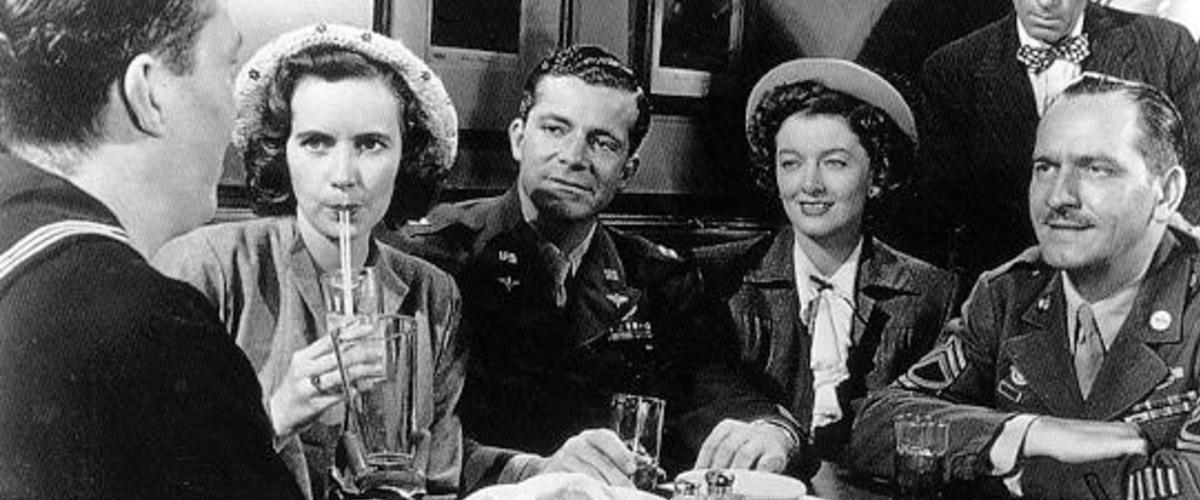
Image: rogerebert.com

Worst Best Picture: Is The Godfather Better or Worse Than Crash?

godfather_2467471b

Alex Russell

In “Worst Best Picture” we search every single Best Picture Oscar winner of all time from 1927 to present to uncover the worst of them all. Conventional wisdom says that 2005’s winner Crash is the worst winner in history. We won’t stop until we’ve tested every last one. Read the the first, our review of Crash, here. Posts will be relatively spoiler free, but there may be some details revealed. Today’s installment is the 1972 winner The Godfather. Is it better than Crash?

Have you ever met someone who hated The Beatles? You meet those people every now and again, and it’s always a strange experience. Personally, I have to rationalize it by saying that they must just be rebelling against something that they’ve always been told to like. They must be responding to a world that says “this is the stuff we all like” by not liking it.

They’re wrong, of course, in the same way that anyone would be wrong if they hated The Godfather. If you ask anyone to make a list of the best American movies of the last 50 years, you can judge them harshly if they exclude The Godfather. Its place in the canon is secure.

It also holds up. It’s amazing even in 2014, mostly because the performances all play up to the source material. Everyone is complicated, which matters. Al Pacino shows how a man’s principles can be broken by extreme circumstances, and by the time he’s shooting a police chief with a gun stashed in a restaurant bathroom, you already believe his transformation from a simple son not looking for trouble into Michael Corleone. James Caan’s Sonny is the breathing example of “when all you have is a hammer, everything looks like a nail.” In The Godfather‘s world, where everyone has to constantly reaffirm their manhood, Sonny figures throwing a guy around in the street is as good a way as any to do so. It’s the contrast between Michael and Sonny that’s so fascinating, because that’s the contrast of human experience.

Is it better to be strong or to appear strong? At certain points of The Godfather, they’re both valuable. One of the many messages of the movie, though, is that you have to know which is more valuable in the moment. If you’re capable of both and of knowing which you should be in that situation, well, then you might be able to jump the line, even if you’re just some college kid. And to boot, Sonny is there to remind us that anger gets you what anger always gets you.

It is impressive that The Godfather still feels massive in 2014. It has the same electricity about it that Gone with the Wind and Casablanca do. You know you’re watching something special, even among a list of solely “special” movies. There are a million things going on in it that I haven’t touched on here, but this doesn’t exist as a full exploration of one of the greatest films of all time. This exists to wonder how it compares to Crash, which I’ll get into below. This also exists as a call to action. If you’re one of those people that hasn’t seen it, go shell out the three bucks and watch it online. If you have seen it, go watch it again. If you’re already watching it while you’re reading this, well, you should at least pay closer attention.

The Best Part: The ending montage is fantastic and iconic, but I’m going to go even simpler: Brando. My favorite Brando is still Stanley Kowalski from A Streetcar Named Desire, but Don Corleone is just about everything. He’s controlled rage, he’s measured response, he’s tough-but-fair counseling. He’s the heart of the movie, even as he’s confined to his sickbed. The sequel is all Pacino’s movie, but this one is all Brando.

The Worst Part: I’m going to save the discussion of gender for the sequel, which also won Best Picture, because it will make more sense there. For The Godfather itself, it’s hard to pick a “worst part. I suppose I’ll go with the scenes in Italy. It’s an important part of the plot, but it’s never been my favorite to watch when I watch The Godfather. Fine, you don’t like that, you tell me what the “worst” part of arguably the greatest Best Picture winner ever is, you’re so smart?

Is It Better or Worse than CrashI’ve been doing a lot of thinking about Crash lately. As I get close to the halfway point, I’ve started to wonder if Crash deserves a rewatch. I’m going to give it one — reluctantly, angrily, with a heavy heart — and I’m going to try to not compare it to the dozens of incredible movies listed below. In this brief moment, however, I have to compare Crash to The Godfather. I suppose they both offer looks at worlds that aren’t enviable. The Godfather doesn’t offer a positive view of masculinity or the mob and Crash doesn’t offer a positive view of… Earth. The Godfather is about Michael’s decision to opt out of a violent life and then the external forces that compel him. I could just type “Marlon Brando” 45 times here, but I’d rather make the case that The Godfather is hopeful, because Michael gets so close. Crash offers only a brief hope at escape, and it essentially closes all of those doors on its characters. Michael nearly escapes with Diane Keaton. Isn’t that basically what we all want?

Worst Best Picture Archives: Crash | Terms of Endearment | Forrest Gump | All About Eve | The Apartment | No Country for Old Men | Gentleman’s Agreement |12 Years a SlaveThe Last Emperor | The Silence of the Lambs | The Artist | A Man for All Seasons | Platoon | The Lord of the Rings: The Return of the King | The King’s Speech | Rain Man | The Departed | The Bridge on the River Kwai | Marty | Gigi | It Happened One Night | Driving Miss Daisy | Shakespeare in Love | Wings | Midnight Cowboy | Rocky | Gone with the Wind| Chicago | Gladiator | Cavalcade | The Greatest Show on Earth | You Can’t Take It With You | The Best Years of Our Lives | The Godfather

Alex Russell lives in Chicago and is set in his ways. Disagree with him about anything at readingatrecess@gmail.com or on Twitter at @alexbad.
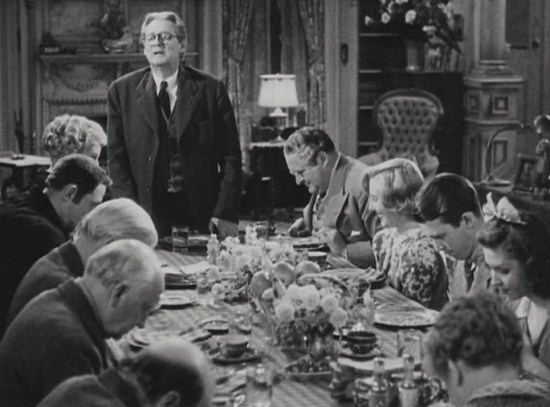
Worst Best Picture: Is The Best Years of Our Lives Better or Worse Than Crash?

bestyears

Alex Russell

In “Worst Best Picture” we search every single Best Picture Oscar winner of all time from 1927 to present to uncover the worst of them all. Conventional wisdom says that 2005’s winner Crash is the worst winner in history. We won’t stop until we’ve tested every last one. Read the the first, our review of Crash, here. Posts will be relatively spoiler free, but there may be some details revealed. Today’s installment is the 1946 winner The Best Years of Our Lives. Is it better than Crash?

The Best Years of Our Lives is the best movie on this list that you’ve never heard of. It’s loads better than Crash. This could be the shortest one yet, but I’m going to try to convince you to go watch a movie from 1946.

The film is about three men returning to Smalltown, USA after World War II. They have a hard time readjusting to civilian life: Fred can’t get a job good enough to impress his wife, Al can’t seem to return to his job at the bank, and Homer has much, much bigger problems than both of them.

Homer is played by Harold Russell, and it’s important to note that Russell received two Oscars for his portrayal. Russell, like his character Homer, lost both hands in World War II. The result is a captivating performance that would be played now through special effects. The choice to have an actor who actually knew the experience and could be shown as he really was — as war really was — is the cornerstone of the film.

Homer returns to his girlfriend and they must confront his new life with hooks for hands. I don’t want to rob Homer’s storyline of any surprise, but it’s beautiful right up to the big reveal and his choice about how to engage his world after such a big change.

Al and Fred have parallel storylines that both involve love and work. They represent the difficult job market post-war, even for veterans, and the struggle of returning to a relationship as a different person. War changes everything, but The Best Years of Our Lives is interested in a part too often unexplored: the life at home.

You should see it to focus on the struggles involved and the timelessness of this cycle: America goes to war, America sends Americans, Americans come home from war, America doesn’t know what to do with the war or the Americans. We’re a country obsessed with the idea of war, but we’re not always one that knows what to do with everything that goes into that. We already weren’t in 1946, and you should see this movie just to be shocked by how relevant it all feels.

The Best Part: This has to go to Harold Russell. His character is compelling beyond the hooks for hands detail, but it’s obviously the most interesting detail in the movie. You really have to see it.

The Worst Part: Everyone in the movie, right down to the bar owner at the bar where they all drink, gets a full backstory… except for Fred’s wife Marie. She’s young and impulsive and thus has no time for her husband’s difficulties in finding a job. I suppose the message is “some people are just awful, even to good people” but that’s hardly a message worth focusing on. Some depth to make her complicated rather than just evil for evil’s sake would be nice.

Is It Better or Worse than CrashIt’s not spoiling anything to say that our heroes do have one run-in with a guy who challenges their “heroics” and says they fought in a meaningless war. That’s a standard scene for any war movie, but it’s surreal to see it done with regards to World War II. It’s hard to imagine a time when anyone could tell a World War II vet to their face that Hitler wasn’t really all that dangerous, and it’s stranger still to watch it happen. The timelessness of the situation, though — that bravery is often a challenged concept — is what keeps the movie fresh 60+ years later. Crash is not fresh now, and it’s at least in color.

Worst Best Picture Archives: Crash | Terms of Endearment | Forrest Gump | All About Eve | The Apartment | No Country for Old Men | Gentleman’s Agreement |12 Years a SlaveThe Last Emperor | The Silence of the Lambs | The Artist | A Man for All Seasons | Platoon | The Lord of the Rings: The Return of the King | The King’s Speech | Rain Man | The Departed | The Bridge on the River Kwai | Marty | Gigi | It Happened One Night | Driving Miss Daisy | Shakespeare in Love | Wings | Midnight Cowboy | Rocky | Gone with the Wind| Chicago | Gladiator | Cavalcade | The Greatest Show on Earth | You Can’t Take It With You | The Best Years of Our Lives |

Alex Russell lives in Chicago and is set in his ways. Disagree with him about anything at readingatrecess@gmail.com or on Twitter at @alexbad.
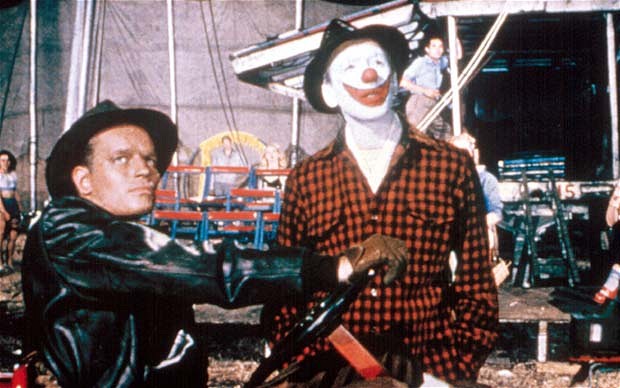
Image: rogerebert.com

Worst Best Picture: Is You Can’t Take It With You Better or Worse Than Crash?

you-cant-take-it-with-you-dinner2

Alex Russell

In “Worst Best Picture” we search every single Best Picture Oscar winner of all time from 1927 to present to uncover the worst of them all. Conventional wisdom says that 2005’s winner Crash is the worst winner in history. We won’t stop until we’ve tested every last one. Read the the first, our review of Crash, here. Posts will be relatively spoiler free, but there may be some details revealed. Today’s installment is the 1938 winner You Can’t Take It With You. Is it better than Crash?

Frank Capra directed two movies that won Best Picture. One of them, It Happened One Night, is one of the greatest love stories ever told. The other one is You Can’t Take It With You, and it’s a goddamned mess.

It’s supposed to be a romantic comedy about how money isn’t everything. The title comes from the idea that it doesn’t matter how much money you’ve got because, of course, “you can’t take it with you.” Sure, okay, I get that. It’s all about what you are inside, man. Everybody love everybody.

It is that, but it’s a lot of other things, too. Jimmy Stewart (who is barely in this damn thing) loves a girl from a weird family. His family needs her family to sell their house so his family can expand and keep making sprockets or whatever. It’s very The Lorax. There are no shades of gray. The good guys are wacky and don’t want to sell, the bad guys are stuffy and need them to sell. There’s your Romeo and Juliet love story set up, but it basically doesn’t matter.

It’s almost unbelievable how little of this movie is about the central love story. It’s the driving force for everything, but it fades away as the two patriarchs turn the movie into a spirited debate about if money and status matter or not. The rich guy can’t believe he has to talk to these silly people, which sounds pretty standard for a story like this, but…

I really have to point out how far this movie goes to remind the viewer that the poor family is “strange.” The entire movie rests on the viewer understanding the conflict between greed and contentedness, but it’s absurd how far they go to explain this. At first it all makes sense. The family argues with the IRS over income tax, which is fine. Then they… make unlicensed fireworks and set them off all over their house in the middle of the city. Okay, cool, 1938. Whatever you say. I guess that’s a thing now. Then, a man in a silly mask runs up from the basement to scare the police so they can go back to their xylophone song.

You Can’t Take It With You is off the rails from the very first scene. The absurdity is ticked up to 11 early, so it has nowhere to go to get crazier when it wants to. As a result, nothing ever matters more or less than anything else. People behave like lunatics, it’s really close to Duck Soup levels of silliness. The plot is fine and a few of the performances are well done, but this is a really silly movie, even beyond the parts that need to be silly to drive the plot.

The Best Part: The IRS scene is pretty great. A straight-laced IRS agent yells at a family playing the xylophone about income tax for five minutes. It feels like a Mr. Show sketch.

The Worst Part: The craziness is too crazy in general, but when a cop tells an old man “you’re playing Boogeyman, eh?” because he has a silly mask on for no reason, you start to wonder how this whole damn thing was allowed to happen. It’s not a bad movie, but it’s out of control.

Is It Better or Worse than CrashBoth movies have big “lessons.” You Can’t Take It With You has a big courtroom scene to explain itself. Crash has a car crash. Neither movie is really very good at getting below the surface (racism bad, money bad, got it) but You Can’t Take It With You is really trying. I don’t think you can fix Crash, but you could fix You Can’t Take It With You with more love story and less… xylophone.

Worst Best Picture Archives: Crash | Terms of Endearment | Forrest Gump | All About Eve | The Apartment | No Country for Old Men | Gentleman’s Agreement |12 Years a SlaveThe Last Emperor | The Silence of the Lambs | The Artist | A Man for All Seasons | Platoon | The Lord of the Rings: The Return of the King | The King’s Speech | Rain Man | The Departed | The Bridge on the River Kwai | Marty | Gigi | It Happened One Night | Driving Miss Daisy | Shakespeare in Love | Wings | Midnight Cowboy | Rocky | Gone with the Wind| Chicago | Gladiator | Cavalcade | The Greatest Show on Earth |

Alex Russell lives in Chicago and is set in his ways. Disagree with him about anything at readingatrecess@gmail.com or on Twitter at @alexbad.

Image: Screen Insults

Worst Best Picture: Is The Greatest Show on Earth Better or Worse Than Crash?

greatestshow_2149879i

Alex Russell

In “Worst Best Picture” we search every single Best Picture Oscar winner of all time from 1927 to present to uncover the worst of them all. Conventional wisdom says that 2005’s winner Crash is the worst winner in history. We won’t stop until we’ve tested every last one. Read the the first, our review of Crash, here. Posts will be relatively spoiler free, but there may be some details revealed. Today’s installment is the 1952 winner The Greatest Show on Earth. Is it better than Crash?

People hate this movie. It constantly makes lists of worst Best Picture winners. I read a lot of the worst lists to inform my own journey through these movies and man people hate the circus epic The Greatest Show on Earth. Is it really all that bad?

Let’s get this out of the way first: this is not a very good movie. It feels 20 or 30 years older than it actually is, mostly because no one edited it at all. You could cut more than half of the movie out and still be left with a full story. It’s a circus story, but it’s far too in love with the pageantry of the circus itself. “Murder your darlings” they say, but like the worst Tarantino movies (looking at you, 40-minute diner scene in Death Proof) this just goes on and on.

It’s supposed to be a love triangle. Brad (Charlton Heston, before he became a lunatic) doesn’t have time for love. He’s too busy running the business end of the circus to notice that his girl Holly (Betty Hutton) is in love with the new trapeze guy The Great Sebastian (Cornel Wilde, who gives a pretty awful performance). The German elephant trainer Klaus (Lyle Bettger) — what else could he have been named in 1952, I guess — is also in love with Angel (Gloria Grahame), but Angel has no time for him. Everyone falls in and out of love with each other for various reasons. That’s supposed to be what this is about.

It’s not, though, because director Cecil B. DeMille fucking loves the circus. You know you’re gonna get some circus when you watch a movie called The Greatest Show on Earth, but at one point there’s a ten minute scene of people taking down a circus tent, complete with narration about “the giant’s skin coming down.” It’s a quasi-documentary about circus life, and it’s straight up boring. The love stories aren’t enough to make a great movie, but the documentary elements aren’t really anything at all. They wouldn’t be out of place on a nature show from 40 years ago. They’re goddamned terrible, and they’re shoehorned in between every scene.

Jimmy Stewart is also in this weird damn movie as Buttons the clown. Buttons is a doctor who mercy killed his terminally ill wife, and now he’s hiding out in greasepaint at the circus. It’s really an interesting idea, especially in the non-digital world of 1952, and the movie deals with it far too rarely.

The biggest problem is that it’s just plain boring. It’s far too long and the good parts are few and far between. Most of the performances — outside of Charlton Heston’s cartoonishly “serious” Brad and Cornel Wilde’s “how much are you paying me again” The Great Sebastian — are fine. The problem here is that no one ever asked the question “is 90 minutes of circus footage too much?” It really, really is, but in a world that includes some truly awful movies with Best Picture on their DVD box, you shouldn’t hate The Greatest Show on Earth. You just shouldn’t watch it, either.

The Best Part: Jimmy Stewart gets a lot of love for his portrayal of Buttons. Most of the blurbs about this movie on other lists basically say “it sucks, but Buttons is interesting.” I think that’s a fine summary, but I really enjoyed Gloria Grahame’s character, Angel. She’s almost murdered by an elephant at one point. How do you play “almost murdered by an elephant?” I’d say she’s set the gold standard.

The Worst Part: The ending is outrageously stupid, but this is the spot where we need to talk about this train scene. Steven Spielberg is on the record saying that the climactic train wreck in The Greatest Show on Earth (stop it with the *spoilers*, you weren’t going to watch this, were you?) was a huge influence on him. It’s true that it was a technological marvel at the time, but it’s really funny to watch the toy train scene now. If you want a worst part that doesn’t have to do with how the movie has aged, go with that stupid damn ending. Motivations like “I love you because the movie is over” are a sign you’re watching something dumb.

Is It Better or Worse than Crash? There’s no discussion of race at all in The Greatest Show on Earth. The only black people in the entire movie are in the crew that sets up the circus tent. But there is a comparison between the two that has nothing to do with race. Both movies are full-on hamfisted. They’re both trying to do something (talk about racism and show a love for the circus) and neither one does a great job of anything else. The problem with one movie is the problem with the other; both movies eschew interesting characters and pacing for “message.” Racism bad, circus good. Both movies are failures because their components don’t support the bigger message, they just fall down like a BAD CIRCUS TENT I HATE THAT I MADE THAT JOKE.

Worst Best Picture Archives: Crash | Terms of Endearment | Forrest Gump | All About Eve | The Apartment | No Country for Old Men | Gentleman’s Agreement |12 Years a SlaveThe Last Emperor | The Silence of the Lambs | The Artist | A Man for All Seasons | Platoon | The Lord of the Rings: The Return of the King | The King’s Speech | Rain Man | The Departed | The Bridge on the River Kwai | Marty | Gigi | It Happened One Night | Driving Miss Daisy | Shakespeare in Love | Wings | Midnight Cowboy | Rocky | Gone with the Wind| Chicago | Gladiator | Cavalcade |

Alex Russell lives in Chicago and is set in his ways. Disagree with him about anything at readingatrecess@gmail.com or on Twitter at @alexbad.
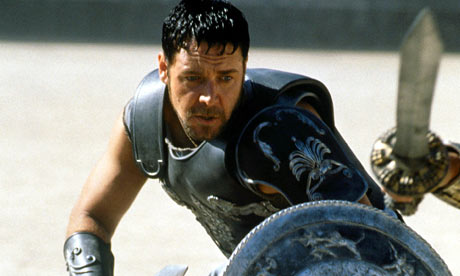
Image: Telegraph

Worst Best Picture: Is Cavalcade Better or Worse Than Crash?

Cavalcade12

Alex Russell

In “Worst Best Picture” we search every single Best Picture Oscar winner of all time from 1927 to present to uncover the worst of them all. Conventional wisdom says that 2005’s winner Crash is the worst winner in history. We won’t stop until we’ve tested every last one. Read the the first, our review of Crash, here. Posts will be relatively spoiler free, but there may be some details revealed. Today’s installment is the 1932/1933 winner Cavalcade. Is it better than Crash?

What’s the first “modern” movie that won an Oscar? What does that even mean? Cavalcade is a great place to start that discussion, mostly because it’s basically impossible to approach Cavalcade without engaging the fact that it’s nearly a century old.

Cavalcade is about a high society British family dealing with the events of the first 30 years of the 20th century. This involves a bit of history lesson at times, since an American in 2014 can be forgiven for not knowing the intricacies of the Second Boer War offhand. No one should be completely lost, though, because it eventually shifts to a love story about the Titanic and a dramatic climax involving World War I.

You can’t deal with Cavalcade the way you deal with Rain Man or Platoon. This is another world of movies, and it’s not really something you can judge by today’s standards. Cavalcade was the sixth winner — just a few years after the silent film Wings won the first Oscar — and it won in a generation where people wanted something entirely different out of a film. Lines are stepped all over, characters are never established, and huge diversions from the plot are common. That last one is the strangest trend about early Hollywood: everything made the final cut, no matter if it mattered for characterization, or the plot, or neither.

Cavalcade wanders around in a lot of ways, but it benefits from being the story of how a family changes through time. So, unlike the half-hour diversions in Wings, everything in Cavalcade is at least part of “the story.” A family experiences loss and a family grieves. Some of it is really strange — people just die in all of the early movies, it’s shockingly common for someone to just get hit by a truck or die in a plane crash or get shot — but it’s all part of a bigger thing.

I enjoyed it, largely. It won’t stick with me, and I know that because I watched it a week ago and I already am losing little bits of it. I feel like this is one of the few that’s on the fence for me. It’s a fine movie within the context of the 30s, but its one you can skip if you’re not a completionist.

The Best Part: There’s a haunting scene where soldiers are shown walking through time passing as they die in World War I. One of the most interesting terms in history is that of the “lost generation” in World War I. It means different things to different cultures, but the British use it to refer to the fact that nearly an entire generation of young men died at once. Cavalcade may not be an essential movie, but there’s no better way to illustrate that terrifying idea.

The Worst Part: You know how people sometimes say that Forrest Gump is a little silly because Forrest was “somehow” at every major world event in his lifetime? Well, that, but not a joke. There people really got the full British experience. Like, too much of it.

Is It Better or Worse than CrashIt’s tough to even compare these. Cavalcade makes absolutely no attempt to deal with race or class — it’s about early century London, so duh — and I still say no attempt at all is better than the one in Crash.

Worst Best Picture Archives: Crash | Terms of Endearment | Forrest Gump | All About Eve | The Apartment | No Country for Old Men | Gentleman’s Agreement |12 Years a SlaveThe Last Emperor | The Silence of the Lambs | The Artist | A Man for All Seasons | Platoon | The Lord of the Rings: The Return of the King | The King’s Speech | Rain Man | The Departed | The Bridge on the River Kwai | Marty | Gigi | It Happened One Night | Driving Miss Daisy | Shakespeare in Love | Wings | Midnight Cowboy | Rocky | Gone with the Wind| Chicago | Gladiator | Cavalcade |

Alex Russell lives in Chicago and is set in his ways. Disagree with him about anything at readingatrecess@gmail.com or on Twitter at @alexbad.

Image: The Guardian

Worst Best Picture: Is Gladiator Better or Worse Than Crash?

Russell-Crowe-in-Gladiato-001

Alex Russell

In “Worst Best Picture” we search every single Best Picture Oscar winner of all time from 1927 to present to uncover the worst of them all. Conventional wisdom says that 2005’s winner Crash is the worst winner in history. We won’t stop until we’ve tested every last one. Read the the first, our review of Crash, here. Posts will be relatively spoiler free, but there may be some details revealed. Today’s installment is the 2000 winner Gladiator. Is it better than Crash?

Gladiator may be the only Best Picture winner that has absolutely nothing to say. There are worse movies, to be sure, but there aren’t any that attempt to do less. You probably saw it — we all saw it — but do you remember it? Is there even anything to remember?

I committed myself to rewatching every Best Picture winner for this project. I’ve seen some of them so many times that it doesn’t seem necessary — American Beauty and Annie Hall are among my favorite movies — but I want to give every single movie the same chance to be worse than Crash. I want all 86 movies to get the same treatment. As I see more and more of Hollywood’s most anointed, I am definitely noticing some trends.

People talk about “Oscar bait” a lot. People define the term differently, but they usually mean something that was clearly made just to win an Oscar. Maybe it’s the flash (The Last Emperor is an enormous movie, even if that’s all it is) and maybe it’s the message (The King’s Speech and Rain Man both take on challenging themes, though your mileage about if that is ‘bait’ or not will vary) but people think better of a movie that was clearly made just to tell a great story.

Gladiator was definitely not made to do that. Gladiator was made to put butts in seats. It’s a “popcorn movie” through-and-through. It’s the story of the Roman general Maximus (Russell Crowe) who is betrayed and cast into slavery by the murderous Emperor Commodus (Joaquin Phoenix). Maximus has to get out of slavery by winning his freedom as a gladiator. If you haven’t seen it, well, you’re caught up.

There are other characters, but it’s really hard to call them that. No one exists for any reason other than to further Maximus’ stoic goodness or Commodus’ relentless evil. Both characters are dull cartoons of morality. There’s just about no attempt made to establish either of them, either. Just: Commodus is a bad guy and Maximus is a good guy. You know this because this is a story about the good guy. Characters are for movies that don’t have lions! Look at the lions!

To call Gladiator a stupid movie is to stop short of the truth. Nothing at all matters in this movie. What even is the moral? “Don’t be an unceasing asshole all the time?” or “Do try to be a good guy and don’t murder anyone unless they try to murder you with a trident first?” OK, got it. Real groundbreaking stuff here, Russell Crowe.

People are dismissive of Gladiator because it’s ambitious only in scope. It does feel like Rome. It feels “epic” at times. That said, it’s just not a movie about anything. If you want a story about a hero’s journey down to nothing and back up, you can watch any other movie. And you should.

The Best Part: The closest Gladiator comes to an interesting character is Proximo (Oliver Reed). He’s a former gladiator who now makes a living selling out current gladiators for fights. That should set him up for some interesting commentary on the duality of the sold sometimes becoming the sellers, but it doesn’t. Proximo does offer a little bit of complexity in that he can’t decide if he wants to help or not. That’s enough praise for this.

The Worst Part: Can I say everything? The worst part is that this won the same award The Godfather won. It’s not an interesting story and it offers no challenges along the way. The fact that the villain’s motivation is essentially “being evil” makes Gladiator a little less complicated morally than some Disney movies.

Is It Better or Worse than Crash? Gladiator isn’t a worse movie, but it’s certainly a less interesting one. I hate the message of Crash, but it has one. There’s nothing worth gleaning from Gladiator. It’s just a long series of events that offer no commentary on human existence. Crash is worse because it’s bad, but damned if Gladiator isn’t about as close to zero without going under as it gets.

Worst Best Picture Archives: Crash | Terms of Endearment | Forrest Gump | All About Eve | The Apartment | No Country for Old Men | Gentleman’s Agreement |12 Years a SlaveThe Last Emperor | The Silence of the Lambs | The Artist | A Man for All Seasons | Platoon | The Lord of the Rings: The Return of the King | The King’s Speech | Rain Man | The Departed | The Bridge on the River Kwai | Marty | Gigi | It Happened One Night | Driving Miss Daisy | Shakespeare in Love | Wings | Midnight Cowboy | Rocky | Gone with the Wind| Chicago

Alex Russell lives in Chicago and is set in his ways. Disagree with him about anything at readingatrecess@gmail.com or on Twitter at @alexbad.

Image: The Guardian