worst movie

Worst Best Picture: Is The Sound of Music Better or Worse Than Crash?

the sound of music

Alex Russell

In “Worst Best Picture” we search every single Best Picture Oscar winner of all time from 1927 to present to uncover the worst of them all. Conventional wisdom says that 2005’s winner Crash is the worst winner in history. We won’t stop until we’ve tested every last one. Read the the first, our review of Crash, here. Posts will be relatively spoiler free, but there may be some details revealed. Today’s installment is the 1965 winner The Sound of Music. Is it better than Crash?

What’s the most commonly viewed Best Picture winner? What’s the one of these that you can be sure everyone has seen? Is it a timeless classic like The Godfather or Gone with the Wind? Is it an inescapable modern movie like Titanic or Forrest Gump? I’m not sure I know, but my guess is that it’s the one from everyone’s childhood: The Sound of Music.

For better or worse, The Sound of Music is “our” musical. You can get by with a passing knowledge of My Fair Lady and West Side Story, but not so with Julie Andrews. You know Julie Andrews. If I start one of these songs around you, you will be compelled to finish it. You can’t going to leave “Doe, a deer, a female deer…” hanging out there. You’re going to have to sing about a drop of golden sun, no matter how much of a heartless bastard you are.

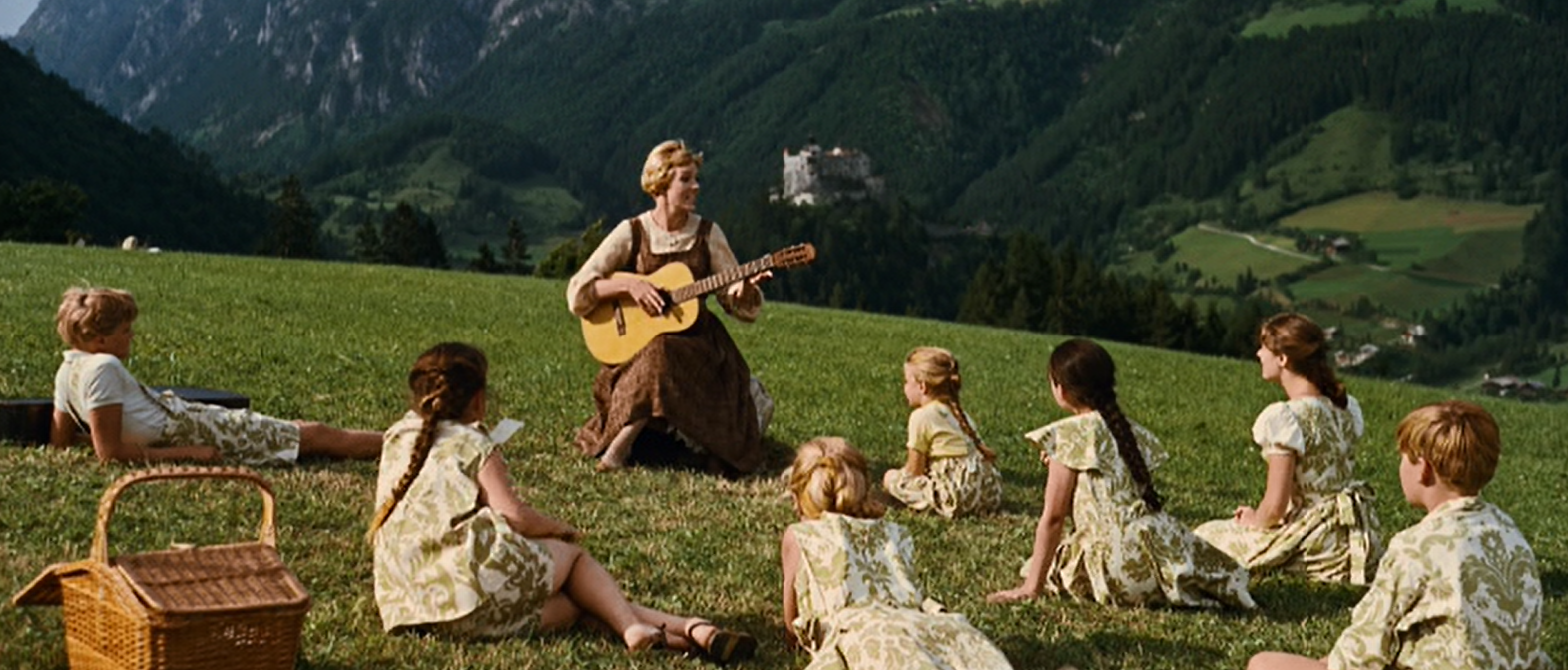
That’s the charm of The Sound of Music. It’s totally inescapable. For starters, the bad guys are Nazis. In most musicals the bad guys are “people who don’t appreciate someone leaving their station in life” and in The Sound of Music they are racist murderers. That’s a leg up on most stories, right there. The plot centers on Maria (Julie Andrews) as she serves as the governess for the von Trapp family, seven children and their strict father (Christopher Plummer). I feel a little ridiculous explaining the plot of The Sound of Music, since my premise here requires that this be unnecessary for anyone. Short and sweet: Maria falls in love with their father, the children fall in love with Maria, their father falls in love with Maria, everyone watching the movie falls in love with Maria, and the Nazis come to ruin everything.

I watched this movie a number of times when I was very young. I rewatched it for this review and I couldn’t believe how little I picked up as a kid. I basically remembered that Julie Andrews was really great and that there was a lot of singing, and I somehow glossed over the darkness of the film. The oldest daughter (who sings “Sixteen Going on Seventeen” which is much sadder than I remember it) experiences some troubles with her boyfriend that definitely exceed your typical romance. The main love story is almost derailed in a particularly cruel way. The entire nature of religion in the movie deserves a much longer look. There’s a lot going on in The Sound of Music beyond Julie Andrews cheering everyone up with a guitar and a positive attitude.

I typically respond poorly to “feel good” movies, but I think what works about The Sound of Music for me is that background darkness. Julie Andrews floats through the movie and consistently demands everyone just try a little bit harder to have a smile in a tough time, but she’s carrying a lot while she does that. It’s a tough sell to say that this is a “complex” movie, especially because it gets exposed to so many people when they’re 10. Most people who see The Sound of Music don’t dwell on poor 16-year-old Liesl von Trapp singing about agency between men and women or the sadness of her boyfriend’s decisions in the end, but that’s okay. Even if all you know about The Sound of Music is the actual music, that should be enough to carry it for you. If it’s too saccharine for you, I get that, but have you really listened to “My Favorite Things” lately? C’mon, grumpo.

The Best Part: Despite my campaigning for a deeper reading of “Julie Andrews Saves the Family the Movie” I’m just going to go with the sweetness of Julie Andrews. We’ve talked about a lot of snubs in this space, but it’s totally crazy that she didn’t win Best Actress for this, right? Go watch her lead a puppet show through “The Lonely Goatherd” and try not to be charmed. YOU. CAN’T.

The Worst Part: A lot of people take issue with the portrayal of the Nazis in The Sound of Music. Most of the brutality is suggested rather than directly stated, and until the end they are played mostly as an idea rather than a real threat. As a legitimate history of the von Trapp family or of Austria it surely doesn’t work, but then again, I wouldn’t show this in a history class.

Is It Better or Worse than Crash? The Sound of Music is an iconic part of film history, but I have to admit that I get why some people hate it. Julie Andrews is probably insanely annoying for a certain kind of viewer. There’s probably too much positive energy here for some people. It’s definitely believable that the fifth song about having a good attitude every day is the breaking point for some folks. What I can’t believe is that there’s someone who thinks The Sound of Music is obnoxiously sunny, but that the tone of Crash nails it. The dourness and the ability to destroy the one good man in the world of Crash may not be the exact opposite of Julie Andrews telling everyone she has confidence in sunshine, but it’s definitely close. The “more positive” movie isn’t always better, of course, but even with Julie Andrews being a living angel The Sound of Music feels more real than Crash.

Worst Best Picture Archives: Crash | Terms of Endearment | Forrest Gump | All About Eve | The Apartment | No Country for Old Men | Gentleman’s Agreement | 12 Years a SlaveThe Last Emperor | The Silence of the Lambs | The Artist | A Man for All Seasons | Platoon | The Lord of the Rings: The Return of the King | The King’s Speech | Rain Man | The Departed | The Bridge on the River Kwai | Marty | Gigi | It Happened One Night | Driving Miss Daisy | Shakespeare in Love | Wings | Midnight Cowboy | Rocky | Gone with the Wind | Chicago | Gladiator | Cavalcade | The Greatest Show on Earth | You Can’t Take It With You | The Best Years of Our Lives | The GodfatherCasablancaGrand Hotel | Kramer vs. Kramer | The French Connection | In the Heat of the Night | An American in Paris | Patton | Mrs. Miniver | Amadeus | Crash, Revisited | How Green Was My Valley | American Beauty | West Side Story | The Sting | Tom Jones | Dances with Wolves | Going My Way | The Hurt Locker | The Life of Emile Zola | Slumdog Millionaire | The Deer Hunter | Around the World in 80 Days  | Chariots of Fire | Mutiny on the Bounty | Argo | From Here to Eternity | Ordinary People | The Lost Weekend | All the King’s Men | Rebecca | A Beautiful Mind | Titanic | The Broadway  Melody | The Sound of Music

Alex Russell lives in Chicago and is set in his ways. Disagree with him about anything at readingatrecess@gmail.com or on Twitter at @alexbad.

Worst Best Picture: Is The Broadway Melody Better or Worse Than Crash?

broadway melody

Alex Russell

In “Worst Best Picture” we search every single Best Picture Oscar winner of all time from 1927 to present to uncover the worst of them all. Conventional wisdom says that 2005’s winner Crash is the worst winner in history. We won’t stop until we’ve tested every last one. Read the the first, our review of Crash, here. Posts will be relatively spoiler free, but there may be some details revealed. Today’s installment is the 1928/1929 winner The Broadway Melody. Is it better than Crash?

If we’re being totally realistic, the first 10 Best Picture winners just don’t hold up. There are excuses to be made — Grand Hotel is charming in its strangeness, All Quiet on the Western Front and Cavalcade are chilling in their portrayals of war, and Mutiny on the Bounty has a truly great performance — but the only one of the first ten that’s worth your two hours now is It Happened One Night.

It shouldn’t be surprising that films from a century ago don’t hold up. For the most part it’s the pacing, because most of them are insanely long and nearly unedited. Cavalcade tells a half dozen stories, many of which are so tangential to the plot that it’s tough to determine why you should care about them. Cimarron and The Great Ziegfield sprawl like epics but have so little to say that they feel terribly padded. It’s important to look at this time as a whole before we get into The Broadway Melody, the second Best Picture winner ever and, arguably, the first “true” musical as we know the form today.

In comparison to the full list, The Broadway Melody fares pretty rough. The songs aren’t memorable, which is pretty damning. I know you’d think there would be some song that I could clip out here and you’d at least have an “oh, so that’s where that comes from” moment, but no dice. The characters are paper-thin. There’s Hank (actually Harriet, a woman, and the nickname is largely not explained), the street-smart, tough sister and Queenie, the beautiful, but only beautiful, younger sister. They’re trying to break into show business with a duo act, but producers only want to hire Queenie, on account of all the beautiful stuff.

There’s a love triangle, because by Hollywood law everyone in love with one person must be in love with someone else at all times, and if I’m honest it works better here than in most movies. The struggle of the smart-but-not-beautiful Hank is heartfelt, especially as she realizes she’s losing her sister to the wrong parts of show business. It is weird that they attempt to sell that actress who plays Hank as not beautiful, though, but that’s a problem in a lot of films. Whenever we are told as the audience that a woman is “not beautiful” that can be a challenging part of the narrative if she’s, y’know, beautiful. Marty is exceptionally bad about this, and it remains the gold standard for “look how ugly this beautiful woman is or something.”

All-in-all, The Broadway Melody is more important as a historical marker for musicals. It came first, so if you love musicals you can get something out of it akin to going to a museum. It’s a little more fun than most of the early ones, too. I can’t recommend it on its own, but it’s certainly more fun than Cavalcade.

The Best Part: Hank (Bessie Love) was nominated for Best Actress, and she definitely gives the best performance in the movie. She plays the role permanently flustered, which is fun to watch at times, and it’s really as close as anyone gets in the movie to “acting” as we know it now.

The Worst Part: It’s real, real dated, y’all. The sexual politics of the love triangle (and fourth member, who gets added late in the film) will anger modern viewers, and there just isn’t all that much going on outside of that. There’s some relevancy left in the “it’s difficult to follow your dreams and hold on to who you really are” message, but there’s not in any of the rest of it.

Is It Better or Worse than Crash? 50 years from now, The Broadway Melody will still be one of the first filmed musicals of all time and Crash will be a movie that people can’t really explain. I’m extremely interested in how Crash will be rethought, and if the timeline for Dances With Wolves is any indicator, it’s coming up real soon. The only comparison between these two is in their memory, because neither really feels like it could come out right now. I guess they both offer a look into a strange, forgotten time, but one of those times is the mid 2000s, so let’s leave that one where it is.

Worst Best Picture Archives: Crash | Terms of Endearment | Forrest Gump | All About Eve | The Apartment | No Country for Old Men | Gentleman’s Agreement | 12 Years a SlaveThe Last Emperor | The Silence of the Lambs | The Artist | A Man for All Seasons | Platoon | The Lord of the Rings: The Return of the King | The King’s Speech | Rain Man | The Departed | The Bridge on the River Kwai | Marty | Gigi | It Happened One Night | Driving Miss Daisy | Shakespeare in Love | Wings | Midnight Cowboy | Rocky | Gone with the Wind | Chicago | Gladiator | Cavalcade | The Greatest Show on Earth | You Can’t Take It With You | The Best Years of Our Lives | The GodfatherCasablancaGrand Hotel | Kramer vs. Kramer | The French Connection | In the Heat of the Night | An American in Paris | Patton | Mrs. Miniver | Amadeus | Crash, Revisited | How Green Was My Valley | American Beauty | West Side Story | The Sting | Tom Jones | Dances with Wolves | Going My Way | The Hurt Locker | The Life of Emile Zola | Slumdog Millionaire | The Deer Hunter | Around the World in 80 Days  | Chariots of Fire | Mutiny on the Bounty | Argo | From Here to Eternity | Ordinary People | The Lost Weekend | All the King’s Men | Rebecca | A Beautiful Mind | Titanic | The Broadway Melody

Alex Russell lives in Chicago and is set in his ways. Disagree with him about anything at readingatrecess@gmail.com or on Twitter at @alexbad.

Worst Best Picture: Is Titanic Better or Worse Than Crash?

titanic

Alex Russell

In “Worst Best Picture” we search every single Best Picture Oscar winner of all time from 1927 to present to uncover the worst of them all. Conventional wisdom says that 2005’s winner Crash is the worst winner in history. We won’t stop until we’ve tested every last one. Read the the first, our review of Crash, here. Posts will be relatively spoiler free, but there may be some details revealed. Today’s installment is the 1997 winner Titanic. Is it better than Crash?

I don’t think enough time has passed yet for us to really know how to talk about Titanic yet, but at the same time, can you believe it was 17 years ago?

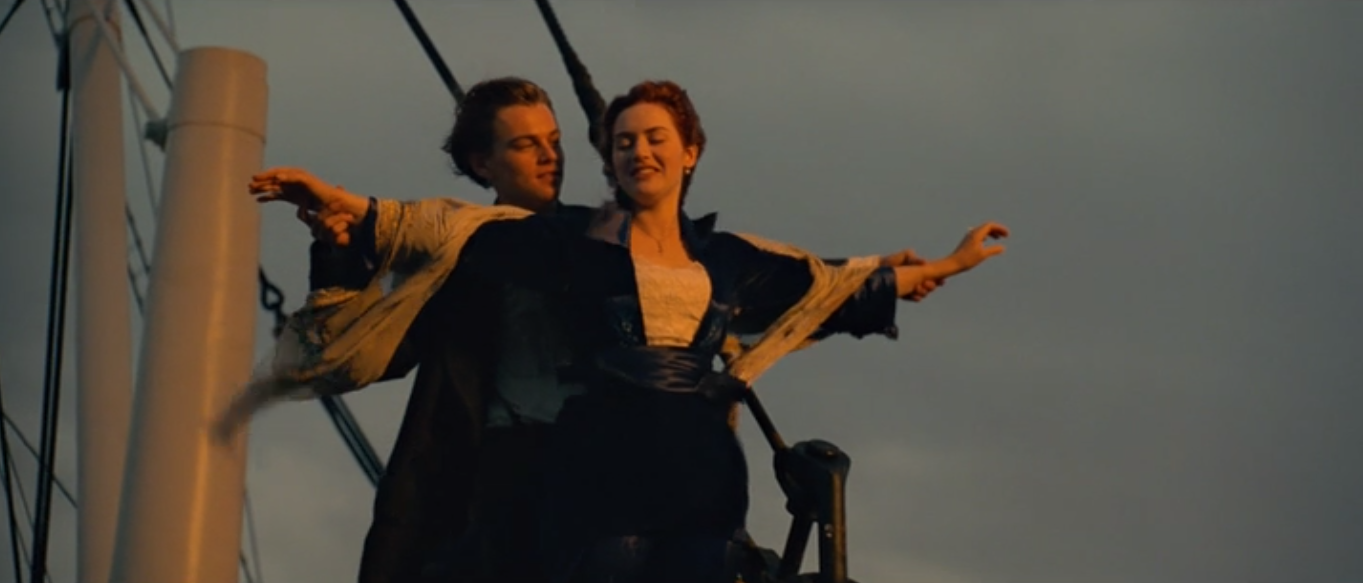
Titanic might be the most polarizing movie on the list. People who liked it saw it multiple times in the theater and people who didn’t like it hated it. I expected this to be a difficult trip to sea, but honestly, it’s somewhere in between those extremes. It’s sappy and silly, but it’s also got genuine moments. I suppose you can say that about most love stories, but I was most interested in attempting to judge Titanic without what I already knew about it.

I was a young teenager when Titanic came out, and the young teenager response was mostly poorly defined snark. You just had to remind whatever much-nicer-than-you person you were berating that it was a movie about a boat sinking. After three hours and a lot of Leo, I can confirm, the boat does sink, but there’s more to talk about. There’s just not… a lot more to talk about.

It’s pretty thin. Leo DiCaprio plays Jack Dawson, a plucky street urchin who just wants to find his fortune on the high seas! Kate Winslet plays Rose, who loves him because her monstrous husband-to-be (played by Billy Zane) is cartoonishly evil. There’s a bunch of other people, but calling them “characters” might be a stretch. Rose and Jack fall in love and Billy Zane tries to stop them/rob them/arrest them/kill them/etc. By the end it’s high comedy, and it really feels like James Cameron was worried that we wouldn’t understand who the bad guy was. The line between good and bad isn’t as obvious as it is in Avatar, but it’s just as likely to induce eye-rolling.

While this love triangle plays out, Rose has to show Jack she knows how to drink and dance and whatever and Jack has to yuk his way through a high-class dinner with her friends and family. Your patience for Titanic will depend on how much you like this kind of thing. If the “rich girl just wants to fall in love with someone outside her station” story is your deal, then you’re in luck. That’s 100% of what this is, right down to the famous nude scene.  I like a good love story, and I can’t say I hate this one, but it’s certainly a bit much at times.

As for the whole ship sinking part, it still looks pretty spectacular now. A lot of the effects for a movie like this will date themselves quickly, but Titanic still looks solid. That’s a good thing, too, because the characters don’t have enough in them to prop this all up. Hopefully you’ll like the love story and be wowed by the boat sinking, because the connective tissue of Titanic is pretty bad.

The Best Part: The climactic sinking scenes are still worth watching. Even though Titanic is a love story before it’s a disaster movie, there’s genuine excitement and sadness built into the sinking, which is difficult to do considering none of the characters are interesting at all. It’s still visually compelling, which ain’t nothing.

The Worst Part: The dialogue in Titanic is awful. At one point Billy Zane’s character is asked about Picasso and he says “He’ll never amount to a thing, trust me.” Little garbage jokes like that are scattered through this thing, and I just can’t stand them. Add on what passes for “foreshadowing” being people constantly asking about lifeboats and it’s hard to ignore how dumb the dumb parts of this movie are.

Is It Better or Worse than Crash? Rethinking is rampant among a lot of these movies. People just don’t love Forrest Gump or Titanic like they used to. Some of that is inevitable, because anything everyone loves has to develop a backlash. But some of it, well, some of it is because people take the time to look closer. I didn’t hate Titanic or the hype around it in 1997, but I didn’t have any interest in it. I saw the parts everyone talked about when it came on cable. I figured that Titanic was probably a little exciting and a little boring and that I wasn’t missing anything by not seeing it. The reality is that it has massive problems with pacing and length and that song got played so much that I think it’s a part of my nervous system, now. Titanic isn’t bad, but it’s certainly middle-of-the-road compared to a lot of this list, and while that means it’s certainly better than Crash, it’s a weird piece of movie history that got far more praise than it deserved. It’s also waaaaay better than Avatar, and that comparison probably helps with the rethinking.

Worst Best Picture Archives: Crash | Terms of Endearment | Forrest Gump | All About Eve | The Apartment | No Country for Old Men | Gentleman’s Agreement | 12 Years a SlaveThe Last Emperor | The Silence of the Lambs | The Artist | A Man for All Seasons | Platoon | The Lord of the Rings: The Return of the King | The King’s Speech | Rain Man | The Departed | The Bridge on the River Kwai | Marty | Gigi | It Happened One Night | Driving Miss Daisy | Shakespeare in Love | Wings | Midnight Cowboy | Rocky | Gone with the Wind | Chicago | Gladiator | Cavalcade | The Greatest Show on Earth | You Can’t Take It With You | The Best Years of Our Lives | The GodfatherCasablancaGrand Hotel | Kramer vs. Kramer | The French Connection | In the Heat of the Night | An American in Paris | Patton | Mrs. Miniver | Amadeus | Crash, Revisited | How Green Was My Valley | American Beauty | West Side Story | The Sting | Tom Jones | Dances with Wolves | Going My Way | The Hurt Locker | The Life of Emile Zola | Slumdog Millionaire | The Deer Hunter | Around the World in 80 Days  | Chariots of Fire | Mutiny on the Bounty | Argo | From Here to Eternity | Ordinary People | The Lost Weekend | All the King’s Men | Rebecca | A Beautiful Mind | Titanic

Alex Russell lives in Chicago and is set in his ways. Disagree with him about anything at readingatrecess@gmail.com or on Twitter at @alexbad.
Worst Best Picture: Is A Beautiful Mind Better or Worse Than Crash?

a beautiful mind

Alex Russell

In “Worst Best Picture” we search every single Best Picture Oscar winner of all time from 1927 to present to uncover the worst of them all. Conventional wisdom says that 2005’s winner Crash is the worst winner in history. We won’t stop until we’ve tested every last one. Read the the first, our review of Crash, here. Posts will be relatively spoiler free, but there may be some details revealed. Today’s installment is the 2001 winner A Beautiful Mind. Is it better than Crash?

I didn’t see A Beautiful Mind when it first came out in 2001, and I somehow also missed every single thing about it. My understanding was basically “brilliant math professor is also a strange guy” which is pretty clearly reductive, but it’s also astounding to me that I was OK leaving it at that. I just had no interest in finding out if this one had anything for me.

It’s the highly fictionalized “true” story of John Nash (Russell Crowe), the “brilliant math professor” (close, OK?) who is, for sure, “a strange guy.” I wasn’t that far off. Nash believes himself to be a code specialist who is working undercover to break Soviet codes, but in actuality he’s a paranoid schizophrenic who has created an important life for himself. I hate to tip that right at the top, because the reveal of “none of this is real” is one of the better parts of the movie, but you can’t really talk about A Beautiful Mind without it.

Nash creates three figures in his life: a literature student roommate named Charles Herman during his time at Princeton, a young girl named Marcee, and his contact in the military named William Parcher. All of them are played extremely real, and we don’t find out that they don’t exist until Nash’s wife Alicia (Jennifer Connelly, who won Best Supporting Actress for the role) has to visit him in the hospital. It’s not supposed to be a mystery or anything, but it does shift the movie from the espionage thriller that Nash thinks his life is to the much sadder reality of a mental illness drama.

A movie like Rain Man couldn’t show you the other perspective, but seeing the world through Nash’s eyes really helps. It’s much easier to understand him as a tragic figure when we can see how real the hallucinations seem to him. He develops coping mechanisms and slowly begins to accept that these three people have never existed, but the sadness of not just losing a lifelong friend, but finding out he never existed… that’s real sadness. That loss is powerful, but it’s also skillfully diluted with the reveal that Nash was never a codebreaker. He has to accept that, despite a superior intellect, he’s living an ordinary, not-all-that-exciting life.

The real John Nash is different than Russell Crowe’s John Nash, and most of the criticism of the film centers around inaccuracy. I’m not all that bothered by it in this case, but that’s probably because I don’t know all that much about the real John Nash. It’s not like they messed up something I already have a working knowledge of, so it’s hard for me to judge. As a film, it’s an interesting, sad look at one part of the world of mental illness. It shows how delusions, even ones you can’t help but have, can ruin your life and the lives of the people you love. It’s heartbreaking, and if that’s what you want, it’s one of the better ways to get there.

The Best Part: Poor Jennifer Connelly! One of the great strengths of A Beautiful Mind is the ability to constantly remind you that both Nash and his wife are in their own prisons. Nash can’t fight his delusions without medicine but he can’t “be a genius” with them. Connelly can’t live a safe, happy life with her husband and her child without her husband taking his medicine. It’s a debate that comes up a lot with regard to medication and mental health, and it’s covered pretty well in A Beautiful Mind.

The Worst Part: A lot of the “John Nash is a genius” scenes are really damn pretentious. Towards the end he goes back to Princeton to haunt the library and be around smart people, and a scene between him and a young student drives right up to the cliff before stopping. It’s not quite terrible, but man, it’s rough.

Is It Better or Worse than Crash? This will never be one of my favorite movies, but it’s a well-told story and a surprisingly nuanced piece of art. There are good discussions to be had about the “stand by your man” problem of Connelly’s character and the selfishness of Crowe’s, and I just don’t think there’s anything like that worth discussing in Crash. I walked away from A Beautiful Mind hating John Nash (or at least this John Nash) but I understood him, to some degree. Most of the characters I hated after watching Crash I hated because they behaved nonsensically. A Beautiful Mind has a lot of problems, and I wouldn’t blame you if the problems were too much for you, but Crash is irredeemable. Neither should be your favorite on the list, but Crash is absolutely worse.

Worst Best Picture Archives: Crash | Terms of Endearment | Forrest Gump | All About Eve | The Apartment | No Country for Old Men | Gentleman’s Agreement | 12 Years a SlaveThe Last Emperor | The Silence of the Lambs | The Artist | A Man for All Seasons | Platoon | The Lord of the Rings: The Return of the King | The King’s Speech | Rain Man | The Departed | The Bridge on the River Kwai | Marty | Gigi | It Happened One Night | Driving Miss Daisy | Shakespeare in Love | Wings | Midnight Cowboy | Rocky | Gone with the Wind | Chicago | Gladiator | Cavalcade | The Greatest Show on Earth | You Can’t Take It With You | The Best Years of Our Lives | The GodfatherCasablancaGrand Hotel | Kramer vs. Kramer | The French Connection | In the Heat of the Night | An American in Paris | Patton | Mrs. Miniver | Amadeus | Crash, Revisited | How Green Was My Valley | American Beauty | West Side Story | The Sting | Tom Jones | Dances with Wolves | Going My Way | The Hurt Locker | The Life of Emile Zola | Slumdog Millionaire | The Deer Hunter | Around the World in 80 Days  | Chariots of Fire | Mutiny on the Bounty | Argo | From Here to Eternity | Ordinary People | The Lost Weekend | All the King’s Men | Rebecca | A Beautiful Mind

Alex Russell lives in Chicago and is set in his ways. Disagree with him about anything at readingatrecess@gmail.com or on Twitter at @alexbad.
Worst Best Picture: Is Rebecca Better or Worse Than Crash?

rebecca

Alex Russell

In “Worst Best Picture” we search every single Best Picture Oscar winner of all time from 1927 to present to uncover the worst of them all. Conventional wisdom says that 2005’s winner Crash is the worst winner in history. We won’t stop until we’ve tested every last one. Read the the first, our review of Crash, here. Posts will be relatively spoiler free, but there may be some details revealed. Today’s installment is the 1940 winner Rebecca. Is it better than Crash?

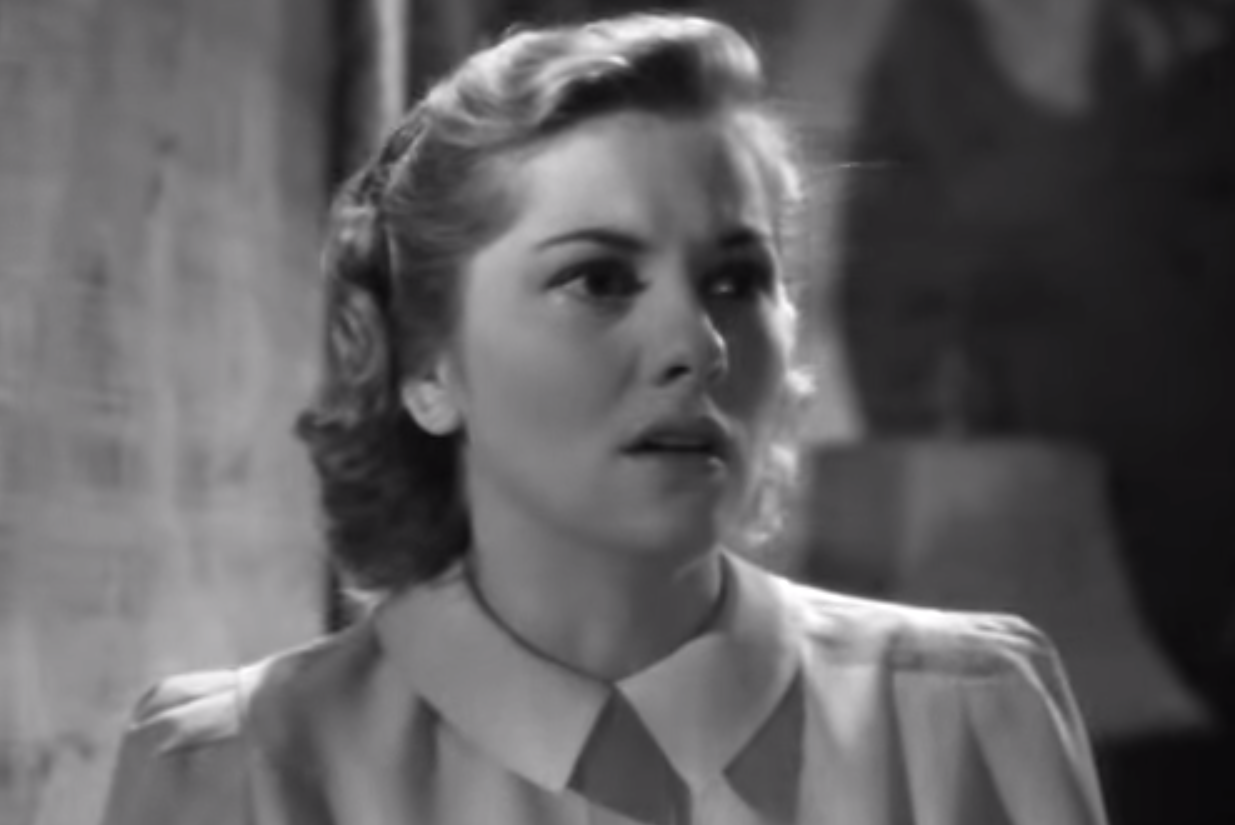
Rebecca, Alfred Hitchcok’s sole win for Best Picture, is mostly about what you don’t see. The story starts with a young woman (Joan Fontaine, who is not Rebecca, but we’ll get to that) who falls in love with a rich aristocrat named Maxim de Winter (Laurence Olivier). Maxim has recently lost his wife Rebecca and is deeply intrigued by the naive woman. They’re an unlikely pair, and the whole thing feels just a bit odd. There is virtually no courtship and they decide to marry right away. If that troubles you, well, that’s probably for the best.

Upon returning to Maxim’s absurd estate of Manderley, it becomes clear that Maxim’s life is not quite ready for a new wife. The house staff still feels a kind of deep bond with Maxim’s late wife, and even the moments of kindness they show his new one are more awkward than they are anything else. It’s difficult to write about this because “Rebecca” is dead at the start and Joan Fontaine’s character is never named. She’s the most prominent character, but she’s never named in a nod to how much Rebecca, a dead woman, controls her new life. She can’t even be “Mrs. de Winter,” as she soon learns, because Rebecca is that, forever.

It would be enough if the movie were about the struggles to replace a ghost, but it wouldn’t be Hitchcock. The first act of Rebecca touches on that topic, though, and it’s fascinating to watch the young woman walk around an enormous mansion and try to figure out how to be someone she’s never met. She’s too young to be married, even for the time period, and she’s certainly too young in “ways of the world.” It’s heavily suggested that she doesn’t know what to do, in more ways than one, and Maxim clearly got remarried to try to fix his public image as much as he did to try to get over his first wife.

The film gets complicated as some truths about Rebecca start to come out, and I won’t spoil all that. You’ve either read the source material of Daphne du Maurier’s novel or you want to keep this one exciting for yourself, either way there’s no reason to reveal the surprise. It’s genuinely not what you’re expecting, though. For as certain as I was about what the central struggle of Rebecca would be… nope. That much is worth your time, alone.

The strangest thing about Rebecca might be that it’s Hitchcock’s only win. Four of his films were nominated for Best Picture and he was nominated for Best Director five times, but none of those nine instances earned him a win. Rebecca is the sole Academy Award to Hitchcock’s name, and at that time they still gave Best Picture Oscars to the producer. Realizations like that make the Best Picture list problematic as a great history of film, because it is possible to complete the list to date and see only one Hitchcock movie. No list is ever going to be perfect, but my nomination for best Hitchcock movie, Strangers on a Train, would have competed with the airy musical An American in Paris. What may be worse, An American in Paris also beat A Streetcar Named Desire that year, and that’s a travesty.

So maybe the current list of 86 Best Picture winners isn’t meant to be a complete history of film. That’s fine. You should still see most of them, and this is one of the better ones. It’s dramatic — almost scary, though it’s not a horror movie — and it’s shocking, even 70 years later. It was Hitchcock’s first American film, and though the Academy likely had no idea how important he would become to American film, they got one right when they crowned it “best.”

The Best Part: The supporting cast! George Sanders, who you will recognize from All About Eve, attempts to blackmail a major character. Even with limited screen time, Sanders is remarkable. He plays the “snotty, sneaky aristocrat” type better than anyone, to the degree that you could make a case that he’s a reincarnation of his All About Eve role. Don’t write than fanfic. Judith Anderson also deserves note for her role as Mrs. Danvers, the housekeeper that will never accept a new Mrs. de Winter.

The Worst Part: It’s honestly difficult to find something for this spot, sometimes. For Rebecca the closest I can come is that some of the staff at Manderley are a little absurd. Other than the terrifying Mrs. Danvers, no one really matters. Not a huge complaint, but a missed chance for some better characters, perhaps.

Is It Better or Worse than Crash? If for no other reason than one is a powerful entrance to American cinema for one of the greatest directors of all time and one is a movie where Ludacris talks about wanting coffee with spaghetti, I am going to have to tip this ever-so-slightly in favor of Rebecca.

Worst Best Picture Archives: Crash | Terms of Endearment | Forrest Gump | All About Eve | The Apartment | No Country for Old Men | Gentleman’s Agreement | 12 Years a SlaveThe Last Emperor | The Silence of the Lambs | The Artist | A Man for All Seasons | Platoon | The Lord of the Rings: The Return of the King | The King’s Speech | Rain Man | The Departed | The Bridge on the River Kwai | Marty | Gigi | It Happened One Night | Driving Miss Daisy | Shakespeare in Love | Wings | Midnight Cowboy | Rocky | Gone with the Wind | Chicago | Gladiator | Cavalcade | The Greatest Show on Earth | You Can’t Take It With You | The Best Years of Our Lives | The GodfatherCasablancaGrand Hotel | Kramer vs. Kramer | The French Connection | In the Heat of the Night | An American in Paris | Patton | Mrs. Miniver | Amadeus | Crash, Revisited | How Green Was My Valley | American Beauty | West Side Story | The Sting | Tom Jones | Dances with Wolves | Going My Way | The Hurt Locker | The Life of Emile Zola | Slumdog Millionaire | The Deer Hunter | Around the World in 80 Days  | Chariots of Fire | Mutiny on the Bounty | Argo | From Here to Eternity | Ordinary People | The Lost Weekend | All the King’s Men | Rebecca

Alex Russell lives in Chicago and is set in his ways. Disagree with him about anything at readingatrecess@gmail.com or on Twitter at @alexbad.
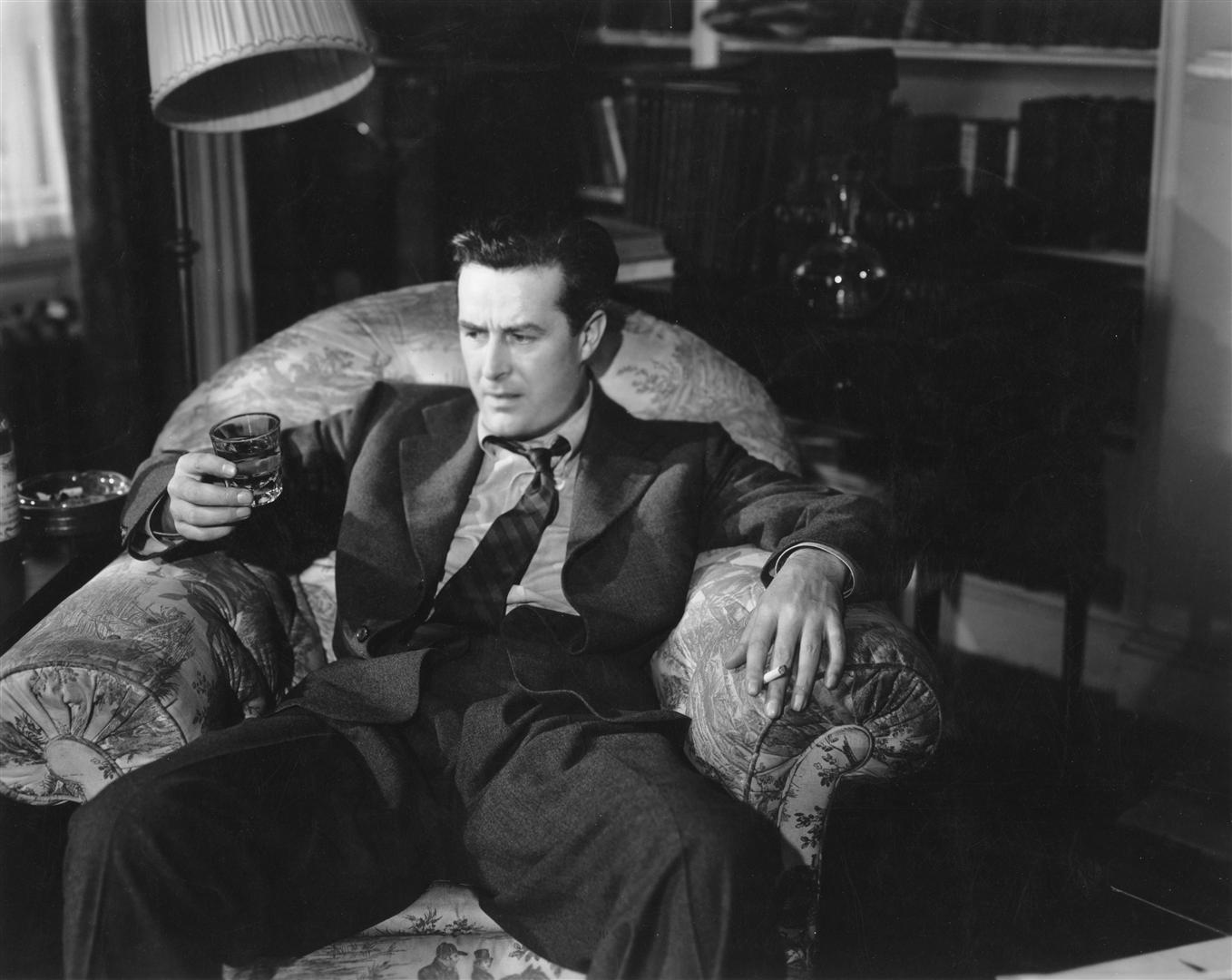
Worst Best Picture: Is All the King’s Men Better or Worse Than Crash?

all the king's men

Alex Russell

In “Worst Best Picture” we search every single Best Picture Oscar winner of all time from 1927 to present to uncover the worst of them all. Conventional wisdom says that 2005’s winner Crash is the worst winner in history. We won’t stop until we’ve tested every last one. Read the the first, our review of Crash, here. Posts will be relatively spoiler free, but there may be some details revealed. Today’s installment is the 1949 winner All the King’s Men. Is it better than Crash?

When you look at all of these in a row, you start to see trends. Broderick Crawford, who won the Best Actor Oscar for his portrayal of Willie Stark in All the King’s Men, was a giant of his time and apparently a huge alcoholic. There may as well be a copy-and-pasted subsection on every Wikipedia page for every Best Actor winner from 1930 to 1980 that explains how they were hard to work with because they were drunk half the time. They’re all eerily consistent from person to person. Since I never met the man, I’ll have to review this movie without those specifics.

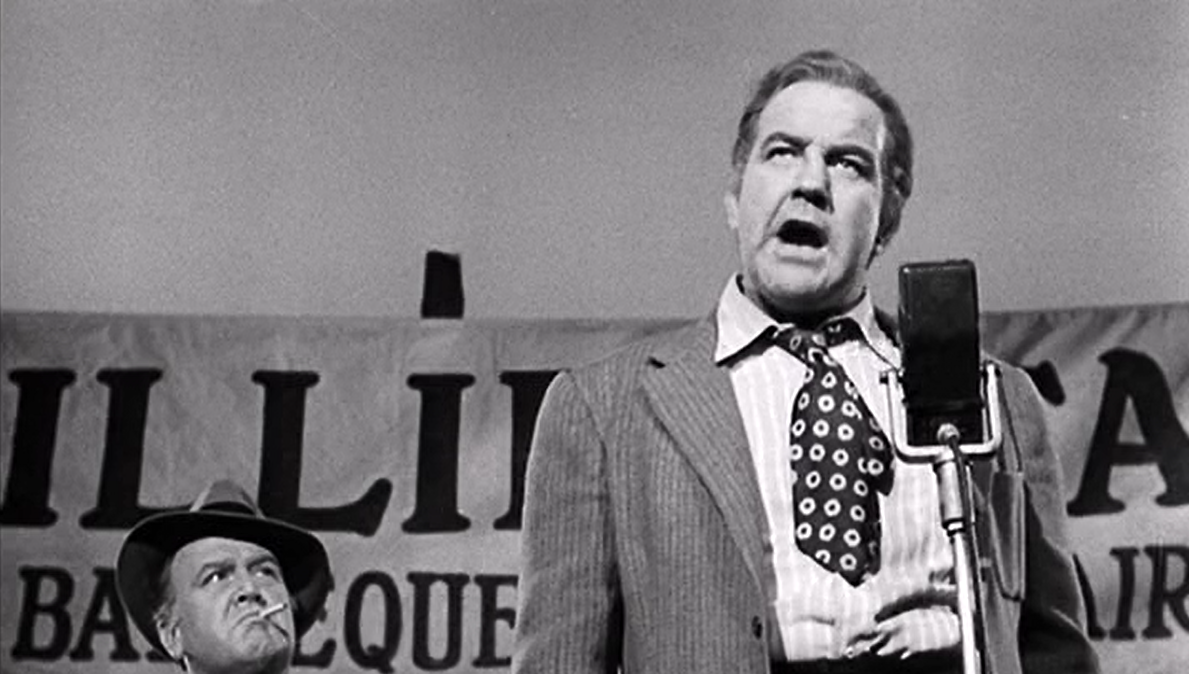
The film is a retelling of the Robert Penn Warren classic about a politician based on Huey Long, the legendary Louisiana governor. It focuses on the rise to power of Willie Stark, a self-made lawyer who has good intentions but is consumed by his own ambition once he gains power. In his early days, he is followed by an earnest reporter who is glad to have found an honest man, but that same reporter parallels his downfall as he forgoes his own principles to fall deeper into the inner circle of Willie Stark. The reporter, Jack Burden (John Ireland) is a memorable character, and the parallels help Stark feel like less of a super villain and more like an inevitability of the “power corrupts” idea. Stark still looms through every scene he’s in — he’s still exceptional, which is important — but his motivations seem easier to believe when compared with Burden’s.

It’s fantastically watchable for 1949. It immediately follows 1948’s extremely hard to watch version of Hamlet and though 1950 offers All About Eve, the 50s features a few weird selections before the decades start to even out. At 109 minutes it’s one of the shortest films on the list, and it feels that way. The entire rise-to-power sequence is wonderful. It all feels like you’re watching an already great man be discovered, and the featured speeches help you forget as an audience that this is the villain. That’s the sign of great political drama: you root for the bad guy!

One of the greatest strengths of All the King’s Men is wrapped up in that sentence. Is Willie Stark the bad guy? Things certainly get less complicated as he’s forced to make more and more drastic plays against his enemies, but the people behind this movie certainly want you to wonder about what’s driving all that. Is this the story of one man blinded by ambition or is this the story of ambition itself, and the way it always manifests itself in the powerful?

The Best Part: Mercedes McCambridge might not be a name you know, but she won the Best Supporting Actress Oscar for her role as Sadie Burke, Stark’s fast-talking campaign assistant. The story of great men is often the story of the women behind them, and though her performance is dwarfed by his much larger role, she’s not to be missed. She wields actual power within the Stark regime, but there’s a sadness to her that makes her complicated. Walter Burke is also great as Sugar Boy, Stark’s gun-toting, crazed sidekick.

The Worst Part: As the world starts to fall down around Willie Stark, he is largely undone from the inside. His son is arrested after driving drunk, which sets off a chain of events that includes Stark’s pay off attempts of the victims’ family and his son’s refusal to play football out of disgust with himself and his father. All of it makes sense as it happens, and there’s an argument that it’s disjointed because Stark’s life is becoming disjointed… but really it just feels messy compared to the tightness of the first hour. Add on a love triangle that I won’t even get into and there’s a little too much happening for a 100-minute political drama.

Is It Better or Worse than Crash? There are weird choices that keep All the King’s Men from being one of the all-time greats on the list, but Broderick Crawford and Mercedes McCambridge turn in two performances for the ages. It’s a solid political drama with a point that has new relevance for the modern age, as presumably all political dramas will, forever. While the message of Crash carries as much timelessness as the “power corrupts” message of All the King’s Men, I don’t think Crash has any truly great performances. Everyone who is decent in it is better in something else. Even Terrence Howard, arguably the bright spot in Crash even though he has many of the silliest lines, is better in something else as Djay in Hustle & Flow, which earned him an Oscar nom. I know I’ve beaten this to death at this point, but even in trying to find the greatness in Crash the best I can come up with is “watch the people in it be better elsewhere.”

Worst Best Picture Archives: Crash | Terms of Endearment | Forrest Gump | All About Eve | The Apartment | No Country for Old Men | Gentleman’s Agreement | 12 Years a SlaveThe Last Emperor | The Silence of the Lambs | The Artist | A Man for All Seasons | Platoon | The Lord of the Rings: The Return of the King | The King’s Speech | Rain Man | The Departed | The Bridge on the River Kwai | Marty | Gigi | It Happened One Night | Driving Miss Daisy | Shakespeare in Love | Wings | Midnight Cowboy | Rocky | Gone with the Wind | Chicago | Gladiator | Cavalcade | The Greatest Show on Earth | You Can’t Take It With You | The Best Years of Our Lives | The GodfatherCasablancaGrand Hotel | Kramer vs. Kramer | The French Connection | In the Heat of the Night | An American in Paris | Patton | Mrs. Miniver | Amadeus | Crash, Revisited | How Green Was My Valley | American Beauty | West Side Story | The Sting | Tom Jones | Dances with Wolves | Going My Way | The Hurt Locker | The Life of Emile Zola | Slumdog Millionaire | The Deer Hunter | Around the World in 80 Days  | Chariots of Fire | Mutiny on the Bounty | Argo | From Here to Eternity | Ordinary People | The Lost Weekend | All the King’s Men

Alex Russell lives in Chicago and is set in his ways. Disagree with him about anything at readingatrecess@gmail.com or on Twitter at @alexbad.

Worst Best Picture: Is The Lost Weekend Better or Worse Than Crash?

the lost weekend

Alex Russell

In “Worst Best Picture” we search every single Best Picture Oscar winner of all time from 1927 to present to uncover the worst of them all. Conventional wisdom says that 2005’s winner Crash is the worst winner in history. We won’t stop until we’ve tested every last one. Read the the first, our review of Crash, here. Posts will be relatively spoiler free, but there may be some details revealed. Today’s installment is the 1945 winner The Lost Weekend. Is it better than Crash?

If a movie “doesn’t hold up” what exactly does that mean?

People don’t love The Lost Weekend like they used to love it. It is perhaps the best example of a movie that was brilliant at the time but seems silly now. It’s the story of a momentous weekend in the life of Don (Ray Milland), an alcoholic in the truest sense of the word. Don promises his brother that he’ll go away with him for the weekend and try to write, but his brother is clearly nervous about Don’s very recent patch of sobriety. The characters hint at how bad Don is when he drinks, but for the first 10 minutes of the movie there is no alcohol.

That is the last time that is true.

Alcoholism is often glamorized in film, to the degree that I can really only think of three 100% negative portrayals. I’m sure there are more, but here are my three:

1. Leaving Las Vegas, the sad story of a man who gives up on life and decides to drink himself to death in Vegas.

2. Successful Alcoholics, a nearly perfect short film featuring Lizzy Caplan and T.J. Miller as two alcoholics who drink nearly nonstop but still “function.”

3. The Lost Weekend

All three are essentially the same story, told differently. While Leaving Las Vegas and Successful Alcoholics show a little bit of an upside, The Lost Weekend is a battering ram of the rest of the disease. Don is a disaster. He can’t keep a relationship, he can’t keep a job, and he can’t even keep his own family. He blows off the weekend trip with a story that he’ll take the later train (with no intention of making it) and scours his apartment for any hidden booze. Finding none, he heads down to his favorite bar and drinks shots of rye whiskey until he can’t stand up.

The next two days are a continued disaster of cheap whiskey and fear. Don explains to the bartender and various women that he wants to stop, doesn’t want to stop, can’t stop, must stop, will never stop, and so on. It’s a haunting portrayal of the last days of a man who has given in to the worst parts of himself. Ray Milland is excellent in the role, and other than small parts for women, the bartender, and an alcoholic ward nurse, there’s really no room for anyone else. It’s all him losing his mind in the middle of the frame, over and over. He robs people, hides whiskey, and falls deeper into drink and into himself.

The movie has been rethought lately and seems to be seen as too over-the-top to be relevant. Leaving Las Vegas is an extremely similar story, and I can definitely see how it’s more effective for a modern audience. Successful Alcoholics is just a short you can see for free online, but it’s the most chilling of the three, for me. All of them are trying to send the same message — drinking is wrong, if you’re an alcoholic — but they do it through different narratives. The main characters in the other two stories are functional alcoholics. They insist they are fine until something so bad that they can’t stop it happens. The Lost Weekend is about when you can’t function anymore. Don is beyond the farthest anyone can go, and it’s definitely shocking to watch.

That’s the main takeaway from The Lost Weekend: the shock. It’s a movie from nearly 70 years ago, but it’s about a universal reality of humanity. We like alcohol, but a lot of us are afraid of it. I don’t think anyone could watch this and not relate to Don, or at the very least the terror of being consumed by something completely.

The Best Part: A lot of people will find it absurd now, but I love the soundtrack. Every time Don is consumed by his demons, a creepy theremin plays in the background. It feels ghostly and strange, which is a great effect. It happens… a lot, which is why the soundtrack is both the most iconic part of The Lost Weekend and the most derided element. Your mileage may vary.

The Worst Part: Everyone other than the lead is a bit forgettable. The women in Don’s life are mostly figurative nurses and the men scold him and berate him, but everyone’s essentially the same non-character. The bartender at his favorite bar has some memorable moments and his girlfriend is essential to the plot, but no one really sticks out aside from Ray Milland. It’s a one-man show.

Is It Better or Worse than Crash? Leaving Las Vegas is so tonally similar to this that I wonder if we’ll get a remake of Crash in 50 years or so. Check back then to see. No, really, please don’t remake Crash.  The Lost Weekend will be silly to a lot of people, but it will be chilling for just as many. I think the reality is that a lot of the effects are dated, but the message is timeless enough to carry the narrative. It holds up for me, but even if it doesn’t for you you’ll love it more than the disjointed message of Crash.

Worst Best Picture Archives: Crash | Terms of Endearment | Forrest Gump | All About Eve | The Apartment | No Country for Old Men | Gentleman’s Agreement | 12 Years a SlaveThe Last Emperor | The Silence of the Lambs | The Artist | A Man for All Seasons | Platoon | The Lord of the Rings: The Return of the King | The King’s Speech | Rain Man | The Departed | The Bridge on the River Kwai | Marty | Gigi | It Happened One Night | Driving Miss Daisy | Shakespeare in Love | Wings | Midnight Cowboy | Rocky | Gone with the Wind | Chicago | Gladiator | Cavalcade | The Greatest Show on Earth | You Can’t Take It With You | The Best Years of Our Lives | The GodfatherCasablancaGrand Hotel | Kramer vs. Kramer | The French Connection | In the Heat of the Night | An American in Paris | Patton | Mrs. Miniver | Amadeus | Crash, Revisited | How Green Was My Valley | American Beauty | West Side Story | The Sting | Tom Jones | Dances with Wolves | Going My Way | The Hurt Locker | The Life of Emile Zola | Slumdog Millionaire | The Deer Hunter | Around the World in 80 Days  | Chariots of Fire | Mutiny on the Bounty | Argo | From Here to Eternity | Ordinary People | The Lost Weekend

Alex Russell lives in Chicago and is set in his ways. Disagree with him about anything at readingatrecess@gmail.com or on Twitter at @alexbad.

Worst Best Picture: Is Ordinary People Better or Worse Than Crash?

ordinary people

Alex Russell

In “Worst Best Picture” we search every single Best Picture Oscar winner of all time from 1927 to present to uncover the worst of them all. Conventional wisdom says that 2005’s winner Crash is the worst winner in history. We won’t stop until we’ve tested every last one. Read the the first, our review of Crash, here. Posts will be relatively spoiler free, but there may be some details revealed. Today’s installment is the 1980 winner Ordinary People. Is it better than Crash?

Ordinary People takes a lot of flack for beating Raging Bull for Best Picture. There are really two kinds of “surprise” winners: winners that no one seems to like and winners that beat supposed “classics.” The debate between which movie history remembers better is a short one, but Ordinary People is a surprising movie, and certainly one you have to see.

It’s the story of Calvin (Donald Sutherland) and Beth Jarrett (Mary Tyler Moore) trying to recover from the grief of losing the oldest of their two sons in a boating accident. As they try to process and move on, their youngest son Conrad (Timothy Hutton, who earned a Best Supporting Actor Oscar in his first film role for the performance) experiences survivor’s guilt and reluctantly goes into therapy with Dr. Berger (Judd Hirsch) after a suicide attempt.

If that all sounds heavy, then good. The list of Best Picture winners includes 12 Years a Slave and Schindler’s List, so referring to Ordinary People in absolutes like “saddest” or “heaviest” is a little unreasonable, but it cut me down more than I expected. Conrad rebels against therapy even while he understands that it’s something he needs to experience, which is so deeply human. He constantly presents himself to the world very meekly, demonstrating that he knows how people see him but also how he must present himself to break through that. He’s the one who lived and he’s always going to be seen that way, but that has to not be his entire identity.

While Conrad’s role offers the most glaring issues (a suicide attempt on top of the grief of losing a brother), both parents portray different sides of another problem. Calvin wants to understand his son and urges him to enter therapy, regardless of cost or loss of social status as “a normal family.” Sutherland plays the part with a real pain, you can see in his face that he’s trying and that he’s internalizing everything he feels about the situation. He knows that grief is for the living, but also that he can be there for Beth and Conrad without demanding that they overexert themselves being there for him. He’s selfless while still being human, which is a thin line for a “morally good” character in a movie like this. It would be very easy to play him as a saint and be done with it, but Sutherland is awkward and imperfect, just as we all are when we talk to people who are at their most fragile.

Beth is different. Mary Tyler Moore not winning a Best Actress Oscar for her part here is a baffling mystery, because Beth Jarrett is an impossible role to nail and she nails it. Beth loved her oldest son more and has trouble hiding that from Conrad. You get the sense that Conrad always suspected, but it’s when his suspicions are confirmed that it gets really hard. Beth can’t hide her disgust for therapy or for Conrad’s “weak” response to grief. She wants to move on, and she can’t do that until everyone else in her life moves on. But that’s just it: sometimes you can’t move on. Ordinary People explores one of the real issues about loss that no one ever thinks about when it asks us to consider how we’d respond to someone that we felt was grieving “wrong.”

The Best Part: Is Beth a villain, or is her response just one of the possible responses to grief? Is Calvin purely good, or do his choices with Beth show that he took a simple path through loss rather than ask some hard questions early? Does Conrad do the right thing, or does he just appear to do the right thing? There isn’t one correct viewing of Ordinary People, and though you’re likely to just say that Beth is terrible and be done with it, it’s definitely more complicated than that when you extrapolate this to your own life.

The Worst Part: At just over two hours, Ordinary People is pretty tight. It’s difficult to pick anything for this space, but I’ll go with the school bully played by Adam Baldwin. Conrad gets in a fight with him at school and it’s supposed to display how he doesn’t fit in like he used to and how he can’t manage his emotions properly, but those issues come out much better through a relationship that he’s trying to start and a friendship with a girl he met while he was in the psychiatric hospital.

Is It Better or Worse than Crash? Ordinary People looks at difficult issues and how people respond to them when they will not go away. Crash does the same thing, but Ordinary People manages a much more consistent tone and never dips into the extreme. I obviously hate to compare the two because one has surprisingly become one of my favorites movies of all time and the other I have compared unfavorably to a silent movie from the 20s, but that’s what this space demands. Crash is worse because it talks about a serious subject in an unhelpful, often insulting way. Ordinary People doesn’t talk down to you, and it will make you think about your own response to grief. That’s an accomplishment that deserves a gold statue far more than Crash.

Worst Best Picture Archives: Crash | Terms of Endearment | Forrest Gump | All About Eve | The Apartment | No Country for Old Men | Gentleman’s Agreement | 12 Years a SlaveThe Last Emperor | The Silence of the Lambs | The Artist | A Man for All Seasons | Platoon | The Lord of the Rings: The Return of the King | The King’s Speech | Rain Man | The Departed | The Bridge on the River Kwai | Marty | Gigi | It Happened One Night | Driving Miss Daisy | Shakespeare in Love | Wings | Midnight Cowboy | Rocky | Gone with the Wind | Chicago | Gladiator | Cavalcade | The Greatest Show on Earth | You Can’t Take It With You | The Best Years of Our Lives | The GodfatherCasablancaGrand Hotel | Kramer vs. Kramer | The French Connection | In the Heat of the Night | An American in Paris | Patton | Mrs. Miniver | Amadeus | Crash, Revisited | How Green Was My Valley | American Beauty | West Side Story | The Sting | Tom Jones | Dances with Wolves | Going My Way | The Hurt Locker | The Life of Emile Zola | Slumdog Millionaire | The Deer Hunter | Around the World in 80 Days  | Chariots of Fire | Mutiny on the Bounty | Argo | From Here to Eternity | Ordinary People

Alex Russell lives in Chicago and is set in his ways. Disagree with him about anything at readingatrecess@gmail.com or on Twitter at @alexbad.

Worst Best Picture: Is From Here to Eternity Better or Worse Than Crash?

image source: complex

image source: complex

Alex Russell

In “Worst Best Picture” we search every single Best Picture Oscar winner of all time from 1927 to present to uncover the worst of them all. Conventional wisdom says that 2005’s winner Crash is the worst winner in history. We won’t stop until we’ve tested every last one. Read the the first, our review of Crash, here. Posts will be relatively spoiler free, but there may be some details revealed. Today’s installment is the 1953 winner From Here to Eternity. Is it better than Crash?

From Here to Eternity is about the big things that happen to us when we’re obsessed with our own lives. It’s a war movie, to a degree, but it’s mostly about how people can ignore a war. The entire film takes place in the few months just before the attack on Pearl Harbor. Much has been said about that time, but the most fascinating part of this movie is that it never comes up at all. People go about their lives and try to do their best in the military, but there are no foreboding scenes about “what might happen” or the upcoming events. It’s dramatic irony at its best: we know that none of these problems matter because all of these people are about to die, but they care because that’s what people do.

It would be possible for that to diminish the film, but it doesn’t. The performances are so tight that it’s easy to forget that the time and the setting mean that you already know everyone here is doomed. Whether you can look past that or not will determine how much you enjoy the film’s narrative, but you can’t ignore the greatness. It’s an enormous achievement, even if it’s not one that comes up on the list of “greats” as often as other Best Pictures.

Everyone is entangled, which helps to distract from the unstoppable reality of World War II. Private “Prew” Prewitt (Montgomery Clift) joins up with the other enlisted men on Oahu and does not want to continue his famed boxing career. His superiors demand that he does, and the struggle of violence vs. non-violence is on. There’s a quiet symbolism here, and Clift’s character definitely speaks to an America that was strong enough to engage with anyone, but would rather not utilize that strength, if possible. When the company’s Captain Dana Holmes (Philip Ober) threatens an extreme punishment, his second-in-command Milton Warden (Burt Lancaster, who is outstanding even among so many great performances) offers that they should merely try to break his spirit rather than court-martial him.

Thus the stage is set. People continually try to push Prewitt into fighting, but he won’t strike back. The last time he boxed he blinded a man, and now he’s hung up his gloves for good. The metaphor might sound a little strong in this description, but it’s subtle in the film. Prewitt would rather endure a difficult life than use his strength to hurt a man, but he’s forced into action when his best friend Angelo Maggio (Frank Sinatra, who won an Oscar himself for what should feel like a weirder role than it does) is brutalized by a superior. Prewitt has to find a way to balance his principles with protecting his friend, and the twain shall never meet.

There are also two beautifully drawn love stories: Prewitt meets a working girl (Donna Reed, who also won an Oscar for her role) in a gentleman’s club and struggles to begin a relationship with her and Warden starts a full-on criminal affair with his superior’s wife (Deborah Kerr) that has its own issues. Both relationships are honest in a nontraditional way, and they have a sense of reality that a lot of movie romances don’t have. They also both are doomed by circumstance as much as by World War II, which plays again into the main idea here: the things you’re working so hard to control might be out of your hands.

Then, as in all war movies, the war comes. You know it’s coming, but no one else does, and neither you or the cast will be ready for it when it happens.

The Best Part: Sinatra’s sad, defeated Maggio is a powerful character, and he’s insanely likable because he’s Sinatra. Lancaster steals the show and his relationship with Deborah Kerr is the iconic part of the movie, but it’s such an odd sensation to watch Frank Sinatra in a movie about Pearl Harbor. Hard to pick between them.

The Worst Part: While it’s important for the narrative that Sinatra and Clift’s characters be ganged up on, some of their antagonists are a little one-note. Ernest Borgnine plays the particularly brutal head of the stockades, and I can’t say I’m a fan of his performance. He’s largely drawn as just “a bully” which seems too simple, based on the motivations around him.

Is It Better or Worse than Crash? It’s a top-10 film on this list of some of the greatest films of all time. It’s a powerful metaphor about strength vs. demonstrated power and war. It’s an amazing achievement featuring some of the greatest actors and actresses of its day. It cannot be recommended highly enough. Don’t see Crash. I was going to make a joke here about a bad scene in Crash, but I couldn’t decide between the extended fart joke subplot or the country music discussion. Pick neither. Watch From Here to Eternity.

Worst Best Picture Archives: Crash | Terms of Endearment | Forrest Gump | All About Eve | The Apartment | No Country for Old Men | Gentleman’s Agreement | 12 Years a SlaveThe Last Emperor | The Silence of the Lambs | The Artist | A Man for All Seasons | Platoon | The Lord of the Rings: The Return of the King | The King’s Speech | Rain Man | The Departed | The Bridge on the River Kwai | Marty | Gigi | It Happened One Night | Driving Miss Daisy | Shakespeare in Love | Wings | Midnight Cowboy | Rocky | Gone with the Wind | Chicago | Gladiator | Cavalcade | The Greatest Show on Earth | You Can’t Take It With You | The Best Years of Our Lives | The GodfatherCasablancaGrand Hotel | Kramer vs. Kramer | The French Connection | In the Heat of the Night | An American in Paris | Patton | Mrs. Miniver | Amadeus | Crash, Revisited | How Green Was My Valley | American Beauty | West Side Story | The Sting | Tom Jones | Dances with Wolves | Going My Way | The Hurt Locker | The Life of Emile Zola | Slumdog Millionaire | The Deer Hunter | Around the World in 80 Days  | Chariots of Fire | Mutiny on the Bounty | Argo | From Here to Eternity

Alex Russell lives in Chicago and is set in his ways. Disagree with him about anything at readingatrecess@gmail.com or on Twitter at @alexbad.

Worst Best Picture: Is Argo Better or Worse Than Crash?

image source: telegraph

image source: telegraph

Alex Russell

In “Worst Best Picture” we search every single Best Picture Oscar winner of all time from 1927 to present to uncover the worst of them all. Conventional wisdom says that 2005’s winner Crash is the worst winner in history. We won’t stop until we’ve tested every last one. Read the the first, our review of Crash, here. Posts will be relatively spoiler free, but there may be some details revealed. Today’s installment is the 2012 winner Argo. Is it better than Crash?

I don’t know how, but I somehow missed every single nominee for Best Picture in 2012. I don’t always see every nominee or anything, but missing all nine of them the first time around almost seems deliberate. It wasn’t, though, and Argo was one of those movies I just always figured I’d see, somehow. After watching it, I don’t feel like my position on it changed at all. There are some good-to-great performances, especially from the supporting cast, and it’s certainly exciting, but it isn’t the kind of movie that usually does it for me.

It’s a dramatic retelling of the rescue of six American diplomats during the Iran hostage crisis. The movie portrays a small group of film executives working with a small group of government officials to stage a fake space movie filming in Iran. The plan is to break the hostages out by appearing to require them for the movie’s production. It’s outlandish, but it has the added benefit of being (sorta) true, so everything that happens “works” as a real story. Typically, as with every “true” story in an Oscar movie, almost every criticism is about how events actually happened. I think those criticisms are valid from a historical standpoint, but I don’t think they need discussion in this context. If your story doesn’t do the history justice, that’s on you, I just want to find out if you made the worst Best Picture Oscar winner of all time.

For a really intense movie, the pacing is strange in Argo. The hostages are in constant danger and the plan is always about to fall apart and everyone is always tense and everything else you want from a good caper movie, but it also feels very straightforward. It happens how you think it’ll happen, more or less. Aside from one really great hitch towards the end, I never felt like anything too shocking happened. That may be like the Titanic version of “you know the boat sinks, don’t see it” complaint, but it affected my viewing.

Honestly, if anything is remarkable about Argo it’s that it’s awfully funny for a drama. Alan Arkin and John Goodman do a lot of heavy lifting in that department, and a bit role for Richard Kind never hurts. It’s ridiculous: they make a space movie in Iran to save six people. That’s essentially what happens in Argo, which is totally bonkers. The script allows for most everyone to lean into the crazy without detracting from the suspense, and that’s definitely worth noting.

The Best Part: During a very tense scene, an Iranian soldier has to call the actual production company to verify the existence of this fake movie. The “will they pick up?!” tension of a phone call that isn’t supposed to happen is very real and really works. I couldn’t believe how much it got me.

The Worst Part: I don’t know if this will be a minority opinion, but I didn’t love Ben Affleck or Bryan Cranston in this. I think they both do a fine enough job, but neither performance really stands out now a few weeks later. The supporting cast steals the show.

Is It Better or Worse than Crash? It’s better, but it will be interesting to see what the legacy of Argo is. I do wonder if people will rethink it at all, or if they possibly already have. The worst thing I can say about Argo is that it doesn’t stand out when judged alongside other Best Picture winners. It’s just a mostly true story, told well, with good performances. Hardly an insult. Crash is none of those things, and the weaker supporting cast of Crash looks really rough in comparison.

Worst Best Picture Archives: Crash | Terms of Endearment | Forrest Gump | All About Eve | The Apartment | No Country for Old Men | Gentleman’s Agreement | 12 Years a SlaveThe Last Emperor | The Silence of the Lambs | The Artist | A Man for All Seasons | Platoon | The Lord of the Rings: The Return of the King | The King’s Speech | Rain Man | The Departed | The Bridge on the River Kwai | Marty | Gigi | It Happened One Night | Driving Miss Daisy | Shakespeare in Love | Wings | Midnight Cowboy | Rocky | Gone with the Wind | Chicago | Gladiator | Cavalcade | The Greatest Show on Earth | You Can’t Take It With You | The Best Years of Our Lives | The GodfatherCasablancaGrand Hotel | Kramer vs. Kramer | The French Connection | In the Heat of the Night | An American in Paris | Patton | Mrs. Miniver | Amadeus | Crash, Revisited | How Green Was My Valley | American Beauty | West Side Story | The Sting | Tom Jones | Dances with Wolves | Going My Way | The Hurt Locker | The Life of Emile Zola | Slumdog Millionaire | The Deer Hunter | Around the World in 80 Days  | Chariots of Fire | Mutiny on the Bounty | Argo

Alex Russell lives in Chicago and is set in his ways. Disagree with him about anything at readingatrecess@gmail.com or on Twitter at @alexbad.