classic film

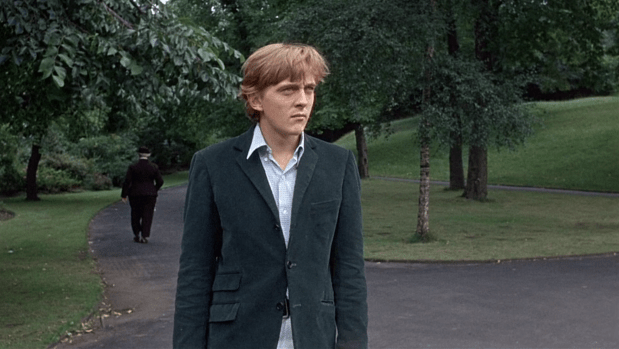
Is Blowup the Best Movie of All Time?

This is Best Movie of All Time, an eternal search for the greatest film ever. Read the full archives here.

Orson Welles, who just about never met another director he couldn’t quip about, said that Michelangelo Antonioni’s long takes were boring and that the director believed that “because a shot is good, it’s going to get better if you keep looking at it.” Ingmar Bergman said that Antonioni’s best works were masterpieces, but he didn’t get the hype behind the rest of them or Antonioni as a whole.

Antonioni is generally listed as one of the greatest directors of all time, but it’s fascinating to read great directors trashing each other. Welles has dozens and dozens of examples of comments like that and you have to cut through the bluster to figure out how he actually felt, but it’s easy to see what he’s talking about with Antonioni in Blowup. Frequently, Antonioni wants us to look at something for what feels like an obsessive amount of time. As a viewer, you start to reconsider each scene to wonder why you’re seeing it. Why are we at a concert now? Why are these characters speaking? What am I expected to learn, to experience, to take from this?

The Conversation is one of my favorite movies of all time. It’s an absolute masterpiece in tension and the ending is, for my money, the best ending in all of classic film. Gene Hackman plays an audio expert who accidentally learns about a murder. He doesn’t have all of the details, but he has enough to obsess over the material and to get caught up in a complicated world he doesn’t understand. We see enough to be interested, but never enough to know more than Hackman’s character.

I could go on and on about The Conversation, but I mention it here because of the influence it clearly took from Blowup. Francis Ford Coppola says it’s an influence, but it’s a full-on inspiration. Blowup follows an obsessive photographer who accidentally learns about a murder and has to determine his moral responsibility and next steps based on shaky evidence. Both Hackman in The Conversation and David Hemmings in Blowup struggle with an incomplete picture. Both men know they have to do something, but what?

The difference is the world around them. They are nearly exactly the same length, but The Conversation finds time to complicate Hackman’s character. We learn he’s an asshole, really, and we’re asked to care about his mission more than the man. He can’t relate to others because he’s locked in himself. It’s a bold choice that really works, but you shouldn’t need me to tell you The Conversation is a treasure.

Blowup deliberately avoids this route. Hemmings also plays an unlikable bore, but in a totally different direction. Antonioni says it’s the story of a man who struggles with his relationship with reality, and that really comes through. No one matters in Blowup. Most people don’t even have names, and no one has a last name. Our main character meets a few people, wanders around, and panics. The relationships in The Conversation are there to show us how things fracture and change, in Blowup they are absent to tell us that people aren’t important to this story.

Hemmings plays Thomas (no last name, of course), a photographer who is bored with all the beautiful women who want to sleep with him. Two women in particular follow him around and have a private photo session with them that turns sexual immediately. The scene is long and ridiculous, and inspired a legend that one of the women was fully nude in a shot. Roger Ebert’s website includes a letter from another actor in the film that explains this as a shot that was removed from the commercially available film, so people were imagining it as more explicit than it turned out to be.

The letter is very graphic about this detail, but I’m more fascinated by the claim it makes about the plot. Blowup centers on Thomas wandering into a park and accidentally photographing a corpse as he shoots a potentially illicit meeting between two lovers. The woman in the photo tries to get the negatives from him and Thomas becomes more and more nervous as he contemplates if he’s really seeing what he thinks he’s seeing. The actor who wrote the letter was in these scenes and claims that Blowup was intended to be more straightforward and include the murder itself and more explanation. What’s on the page is “incomplete,” this actor alleges. It’s better this way, to be sure, but it wasn’t the intention.

I have to hope that’s not true. Blowup, explained, as a straight-ahead action film would be much less interesting than what it ended up being. The Conversation includes much more than Blowup, but even then we don’t see the act that drives the whole plot. It’s critical to both movies that we be at least a little confused and unsure if it actually happened or not.

Blowup is an experience. Antonioni wants you to feel Thomas struggling, but I had a hard time caring about his struggle. I found him most interesting when he was buying a huge, ridiculous propeller at an antique shop and least interesting when he was complaining about how London is just so lame now, y’know? I know the intention is to drop you into someone’s life that’s all routine boredom and see it shaken up, but Thomas really doesn’t experience that much change. Even as he struggles to get people to care about this murder, he’s still at fancy parties and having anonymous sex.

It is an unfair criticism, I suppose, to say he’s totally unchanged. He is changed internally, but does it matter? He goes to a concert and can’t connect with what everyone else is connecting with. He picks up a piece of a smashed guitar and absconds with it into the street, chased by rabid fans. He realizes that it doesn’t actually matter and drops it on the ground. A passerby picks it up and also realizes that it doesn’t actually matter and also drops it on the ground. You feel Antonioni demanding you to “get it” through the screen in this scene. It would be impossible to not understand this significance, but here it is twice, anyway.

Blowup is on all the greatest lists. Roger Ebert picked it as one of the most significant films of all time. It’s impossible to have The Conversation without it, but I still couldn’t connect with Blowup. The entire first half hour is designed to tell us that Thomas is a bore who hates what should be a pretty exciting life. When Vanessa Redgrave’s character from the park shows up to demand the negatives, she assumes he’ll be motivated by sex and takes her top off. There’s an extremely long scene that follows where she covers up in various ways without getting dressed. It’s all shot beautifully and it’s a fascinating concept, but it feels so very empty. Antonioni says he wasn’t making a movie about human interaction, but humans still interact on the screen. The panic and the fear feel real, but whenever Thomas has to talk to someone, it just doesn’t work as well.

Towards the end, Thomas struggles to get people at a party to understand that he’s got something really significant to tell them. “Someone’s been killed,” he shouts, and his agent says “okay.” The exchange is excellent and it’s a great summary of how Antonioni wants us to feel. Thomas wouldn’t care if someone in his life told him this story, and now that he has it to tell, he’s frustrated by how the world responds to him. The Conversation tells us that the truth might not be the truth and that you need to navigate waters you don’t understand carefully, but Blowup shows that if you spend your whole life superficially, when it starts to matter you might not be able to deal with it.

Is it better than the last movie we looked at? I liked Mystery Train more. I don’t think I’ll come back to Blowup, but I’m curious as I see more Antonioni if I’ll fall in with Welles or not.

Is it the best movie of all time? No. I obviously like The Conversation more, but I also think Badlands is a better film. I love a lot of the little touches in Blowup, though. When Thomas goes to blow up the image to look closer, he does so without explaining what’s happening. He never tells anyone anything, he shows all of it. This may sound like a stupid thing to praise, but I feel like any movie from the last twenty years would feel the need to have another character there asking about photography to give Thomas a chance to say what a blow up is and what he’s looking for and so many other things. Blowup is an experience and a great work from a great era, even if it isn’t exactly right for me.

You can watch Blowup on HBO Max (subscription required) or on Amazon Prime for $1.99 at the time of this writing. You can recommend a movie to me for this series through email at readingatrecess @ gmail.com or on Twitter @alexbad and I will watch it, no matter what. Try to pick something good.

Is Mystery Train the Best Movie of All Time?

This is Best Movie of All Time, an eternal search for the greatest film ever. Read the full archives here.

In February of 2019, musician Julien Baker was interviewed by a publication in New Zealand. The interviewer asked about Baker’s hometown of Memphis, and specifically about cultural associations of Memphis like Jim Jarmusch’s film Mystery Train. Baker gave a long answer that you should read all of, but she said “The Memphis that people imagine and the thing that Memphis really is are sort of the same and sort of not. They’re sort of this quirky caricature of each other.”

Baker’s full answer includes two specifics: a local weirdo named Prince Mongo and a semi-landmark called Graceland Too. I grew up in Memphis and lived there for more than twenty years and both of those have deep history and are really resonant for me. Baker didn’t mention Mystery Train at all, but did tell the interviewer that people assume the experience of Memphis is like the film Hustle and Flow. I wasn’t familiar with Jarmusch’s portrayal, but I can vouch for Baker’s quote and say that the Memphis that I’ve seen on screen and in reference isn’t completely “not Memphis” but it isn’t exactly right, either.

Mystery Train is a fascinating choice for the interviewer’s prompt because it’s about people bringing their own notions of Memphis to Memphis and what they actually experience. It’s very literally a movie about examining the prompt the interviewer provided Baker with and how Memphis changes their ideas in exactly the way Baker answers. I have no idea if Julien Baker has seen Mystery Train, but there’s almost no better summary possible.

Mystery Train is a triptych where all three stories happen in Memphis and involve foreign characters. “Far from Yokohama” shows us a Japanese couple that wants to take in the music scene through Graceland and Sun Studios. “A Ghost” finds an Italian woman stuck overnight as her flight home with her husband’s coffin is diverted. “Lost in Space” follows three characters as they get drunk after a night gone wrong. All three sets of characters stay in the same hotel on the same night, which combines their stories very slightly.

Jarmusch says he didn’t try to find abandoned sets, but that in a search for bleak locations in Memphis he found the city to just feel like it was abandoned. In Criterion’s Q&A he talks about ghosts and the feeling that he had to make a movie with few extras and no traffic because that’s how he experienced the city. Any Memphian will be baffled by the traffic piece, especially, but the director is making a point about the part of Memphis Mystery Train is focused on exploring. This is a dangerous part of the world, is the suggestion, as the only times characters meet anyone outside of the hotel, something negative happens.

The Japanese tourists want Memphis to be a romantic version of a musical time gone by, but we also see them get off the train and hear that they’ve been to lots of places on a similar journey. This is what they do, is the suggestion, so their view of Memphis tells us more about them than it does the city. It’s still a smart introduction to Memphis, especially given the direction Jarmusch wants to take the story.

The widow speaks more of the local language than the Japanese characters, but she’s unavoidably not from around here. A shopkeeper nudges her into buying a comical stack of magazines, but it’s a particularly colorful grifter at a coffee shop that tells us what we need to know about this woman. He tells her a story about the ghost of Elvis needing a ride and telling him he would meet a woman bound for Rome. It’s hardly designed to be believable, but our heroine pays the fee anyway and tells him it’s in exchange for the story. Things break a little bad and the whole thing gets fairly magical, but she ends up back in the hotel with a new companion and certainly a complicated view of town. “I feel a little discombobulated,” she tells the hotel staff, and they commiserate and agree.

Screamin’ Jay Hawkins and Cinqué Lee are really unforgettable as the staff. Hawkins is a larger-than-life figure in the music world but only had a few acting roles. It simply wouldn’t be a movie with anyone lesser in this role for Mystery Train. The pairing of capable boss and put-upon bellhop is nothing new, but there’s something about how Hawkins plays the role that reflects what’s actually the story of Memphis. Most of the characters get a confusing or frustrating experience, but they do okay by the hotel, more or less.

The final trio of Rick Aviles, Joe Strummer, and Steve Buscemi ties everything together, but I don’t want to say everything that happens there. The gang knows the staff and needs a place to lie low, and their drunken conversation feels more like what other directors would do with a plot like this. Aviles plays a character named “Will Robinson” and they discuss life, love, and the guy from Lost in Space. It finally goes somewhere, but it takes a long time to get there.

There are no great revelations in Mystery Train, but that is exactly the point. All six characters leave the hotel changed, largely by what Memphis isn’t rather than what it is. The Japanese characters are disenchanted by Sun Studios, or at least by the fast-talking, rote speech they get on their tour. They wanted something unique, something truly Memphian, but they got something they probably are likely to get on every music tour. The mysticism of Memphis is enchanting for the Italian woman, but she also experiences the darker side of Memphis and her best experience with a local is still pretty mixed. The three guys talk about the job market falling out and how nearly everyone they know is out of work in Memphis.

The reality is that Memphis is two things. It is a historical center of the music world, filled with history you can still really access and a world worth walking around in. It also is a rough part of the world that’s seen much worse days and wears those days in ways that are unavoidable, especially around the hotel the film is set in. Mystery Train wants us to want the exciting hope of what Memphis represents but to wonder why there aren’t any people or cars anywhere in certain parts. When Steve Buscemi’s character is hesitant to enter a poolhall and says he’s uncomfortable in this neighborhood, he tells us a lot in one line. When Joe Strummer pulls out a gun confidently but casually in the same bar, he tells us even more.

Mystery Train isn’t Memphis, but neither is Hustle and Flow. It’s not really just Carl Perkins and Elvis Presley, either, even if you’ll be consistently bombarded with The King if you go there. Even the Memphis of Mystery Train is more complicated than just that, but that’s the whole point of showing us slices of different experiences in the same place. There’s more to say, always, even just down the hall.

Is it better than the last movie we looked at? I do think this is better. When Marnie Was There is a strange movie to compare to Mystery Train because they really don’t have anything in common. I’ll always have a place in my heart for When Marnie Was There, but it’s a pretty messy movie even though it has a ton of heart in it.

Is it the best movie of all time? This is very close, but I think I have to stick with Badlands. Jarmusch’s film is frequently funny in a really surprising way and Screamin’ Jay Hawkins simply demands your attention, but Badlands is just so beautiful. You could make a really strong case here and my love of Memphis makes this hard for me to do, but if I pick “the Memphis one” we’ll be stuck in a loop here forever. Badlands really is a special movie, even if I think Mystery Train is more likely to make more people happy with the experience if they were to watch both.

You can watch Mystery Train on The Criterion Channel (subscription required) or on Amazon Prime for $3.99 at the time of this writing. You can recommend a movie to me for this series through email at readingatrecess @ gmail.com or on Twitter @alexbad and I will watch it, no matter what. Try to pick something good.

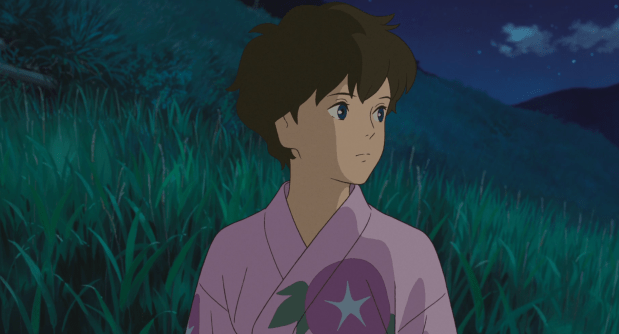
Is When Marnie Was There the Best Movie of All Time?

This is Best Movie of All Time, an eternal search for the greatest film ever. Read the full archives here.

I am really tempted to call out that this is the second anime within my first ten of these and to undercut the premise. Most of what I watch is not anime. Anime is not so critical to film as to merit 20% of these posts. But today I want to talk about Studio Ghibli, so here is When Marnie Was There.

I recognize that I have two hills to climb, here. The best movie of all time isn’t an anime, right? What’s even the point of this if we aren’t talking about Citizen Kane or The 400 Blows or something? I think you need an open mind, here in paragraph two, and I don’t know that I can make a case for “anime as an artform” if you aren’t willing to take that step. I’m just going to assume you’re willing to come that far. The second hill is the taller one, anyway, and that’s ranking the Studio Ghibli movies.

One thing I find frustrating about the pace of discourse now is that people often assume you are as deep in the subject as they are. This is how you have impassioned responses to things normal people aren’t even aware are positions. You can find yourself watching a YouTube video about how people are wrong about saying people are wrong about being wrong about something. I saw a comment yesterday where someone said they wouldn’t watch anything in black and white and said that people liking old movies were “virtue signaling.” I don’t even know where to start with that one.

I think When Marnie Was There is the best movie Studio Ghibli made because it’s a tougher nut to crack than the others. I think this is a defensible opinion, but I also think people will, maybe rightfully, call that a hipster opinion. I’m going to cut my preamble here, but you’ve got to believe anime is a defensible form of film to even get into the layer where you probably don’t agree with my niche opinion. I’m assuming you’re willing to hear me out.

For most people, it’s My Neighbor Totoro or Spirited Away or Princess Mononoke. They’re all masterpieces, but nearly everything Studio Ghibli touches turns to gold. I keep coming back to When Marnie Was There and until my last watch, I really couldn’t tell you why. Totoro is the greatest children’s story ever told, but it’s simplistic. I’m not going to condemn it because that’s insane, but everything works out, more or less, because magic is real. You don’t feel that when you watch it, which is why it’s so transcendent. I’ve seen Totoro a half-dozen times and every time it wins me over, but I don’t find myself thinking about it after I see it. It’s an experience.

When Marnie Was There sticks with me. It’s the story of Anna, a young girl with asthma who has to go to the countryside to heal and chill out. Her doctor says that it’s all stress-based, which seems to be the inciting conflict of a hundred different stories like this. What sets this apart is the unspoken truth about Anna’s depression. She’s a foster child and she has resentment for her parents even in death, and she’s willing to even say that. A lot of these stories ask you to feel that about their character, but few are willing to take this additional step.

Anna is hard to like. In the few interactions we see, she calls the only person who extends friendship to her a “fat pig” and runs away. It’s a brash way to make a main character’s pain feel real, and Anna is tough to root for until she gets lost in fantasy. She spends less time in the “real” world than many characters in Ghibli movies and we get to know her less as a result. She’s only in “the big city” for ten minutes and she’s only in the countryside town for one scene. She spends almost all of When Marnie Was There in the fantastical marsh house where the mysterious Marnie lives.

When Marnie Was There plays with expectations. I don’t want to spoil the turn, but it isn’t the romance that it sets up. You’re led to believe that Marnie and Anna are both outsiders in different worlds and they fall in love in the way that teenagers fall in love. They hold hands and have picnics and it’s young love, how we all remember it. That isn’t what’s happening here, but those emotions drive much of what you see until they don’t.

You can’t talk about an anime without talking about the art style. Marnie and Anna have bright blue eyes, to the degree where other characters comment on how striking this is. That’s a tell, and one I can’t get into without ruining it, but it’s interesting that it is commented on at all. Hayao Miyazaki, the iconic head of Studio Ghibli, said that Marnie’s appearance on promotional material was “cheesy” and that using a blonde, blue-eyed girl to promote the story was “outdated.” The original story was moved to Japan but the fantastical character remains very clearly white, to the point where other characters talk about how unique it is.

Marnie and Anna are mirrors of each other and they need to look similar, at least in some fashion, for that to work. There’s been some solid work done by other writers that I won’t crib from, but it is a very weird detail in the middle of the movie that stands out more and more on rewatches. Why move the setting but leave the characters unchanged? It’s clearly intentional, but it never feels that way. Studio Ghibli films are marked by the attention to detail, down to the beautiful animation in quotidian Japan, but the best explanation I can come up with here is that it’s supposed to be distracting. It’s a clue, I guess, to the ultimate mystery, but then you wonder about Miyazaki’s comments. It is very strange and you could chalk this up to part of the whimsy, but your mileage may vary.

Art aside, the story is slow and curious. We keep getting led down paths that end up with our main character passing out or getting lost, which is fitting for the story at the heart of the thing. It’s not a straight line, but that’s part of the point. Anna has to change for this to matter, and some of that is more complicated than learning to be nice to strangers. It’s about learning to forgive and to understand that other people’s lives had details that you never get to see.

Or do you? You, personally, won’t get to see them, but Anna does. There are two reveals, one to the audience and one to Anna, which leads to a climax that then gets explained again. The second one doesn’t have the narrative punch of the first one, but even on a fourth watch I found it really cathartic. There’s something in When Marnie Was There that really winds you up and lets it all out at the end, which is storytelling done the right way. It never feels like it’s going anywhere, especially with all of the wandering and secondary characters essentially guessing and getting it wrong. It’s only once you get there that you realize this was the story all along.

So what makes it the best Studio Ghibli movie? I think you have a strong case if you disagree with me, but the payoff is what does it for me. Other worlds are more fantastical (Spirited Away) and other characters are more interesting (Kiki’s Delivery Service) but I think this one is more satisfying. The journey is the same as so many other stories the studio has told, but I’m so much happier for this character for going through it. Anna needs this, really needs this, and that ending is what you crave when you watch a story like this one.

Is it better than the last movie we looked at? Targets is a personal favorite but it unravels at the end in a way that I don’t find satisfying. When Marnie Was There is the exact opposite. Both movies make some weird choices but are the better for the aesthetic they cultivate. I think When Marnie Was There is a better story, but these two are really different and I might change this answer depending on the day.

Is it the best movie of all time? No, I still think Badlands holds on to this crown. I think there’s a strong case for a few other Studio Ghibli movies being better than this one even though this is my personal favorite. I know it’s the style now to go hard and to demand your opinion is the only one, but When Marnie Was There doesn’t even make a strong case for why one of the main characters is a blonde British girl, so I can’t in good faith say it’s better than a masterpiece. It’s an incredible story and it will really overtake you if you let it, but it’s not perfect. It doesn’t need to be.

You can watch When Marnie Was There on HBO Max. You can recommend a movie to me for this series through email at readingatrecess @ gmail.com or on Twitter @alexbad and I will watch it, no matter what. Try to pick something good.

Is Targets the Best Movie of All Time?

This is Best Movie of All Time, an eternal search for the greatest film ever. Read the full archives here.

Peter Bogdanovich plays a director in The Other Side of the Wind, the famously incomplete but now released final work of Orson Welles. He’s paired with John Huston, who plays a legendary director that the entire world can’t stop praising and obsessing over. The Other Side of the Wind was never really finished when Welles was alive, but Bogdanovich helped fuel the production with incomplete footage and intended edits from Welles that resulted in a theatrical release of a “new” Orson Welles movie decades after Welles passed away.

It’s a mess, but in the way that great films can be a mess. If you’re a fan at all of Welles’ more “out there” stuff, it really can’t be missed. Huston holds court with his signature voice as partygoers crowd into a house in the desert to prepare to see his masterwork. It’s not-at-all-veiled commentary on Welles and his career, with characters representing many figures throughout his life in ways a audience with familiarity of his larger circle couldn’t miss. Bogdanovich picked up his role from Rich Little, the impressionist, but it’s still impossible to not see what it ended up being as a take on the director himself. The character and the man were young and brash and both were then and still are lumped in with Welles.

Huston’s performance is astounding in The Other Side of the Wind, but Bogdanovich is always there, keeping it all together. When I saw it I couldn’t see Bogdanovich as anything other than his character in his own film, Targets, but I didn’t know that both don’t just end in a drive-in theater, but the exact same theater. The similarities abound.

The movies aren’t all that similar beyond Bogdanovich’s presence and performance. Targets was his first major film. It was released in 1968, just a few years before The Other Side of the Wind started shooting. Bogdanovich became a legend in cinema, of course, but there’s always a story with the first one.

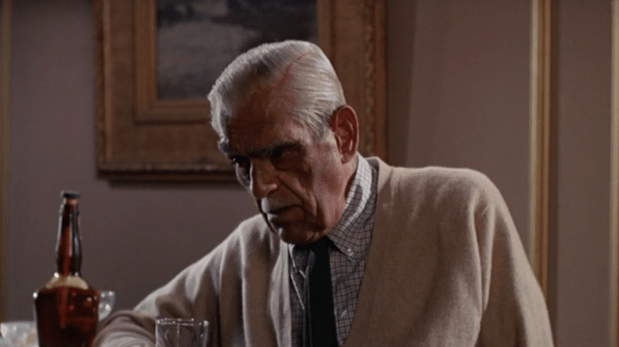
The horror icon Boris Karloff owed the studio some shooting time, so Bogdanovich made use of him in a movie that feels very patched together all the way to the end, where it attempts a very risky conclusion. Targets is a fictionalized version of a real string of murders committed in 1966 in Texas by a man named Charles Whitman. Whitman murdered 16 people and left notes that suggest he was losing touch with reality. He thought about violence all the time and found it difficult to understand his impulses. Bogdanovich borrows bits and pieces of Whitman’s story, but you have to infer most of it.

Tim O’Kelly, who was in the pilot of Hawaii Five-O, this movie, and just about nothing else, plays a version of Whitman, but cleaned up as Bobby Thompson. The real Whitman was abusive and had gambling problems, but Thompson is cartoonishly polite. We see scenes where he tells his family he “gets funny thoughts” and nothing comes of it. He slinks around in darkness, smoking cigarettes and lying awake as his night-shift working wife tolerates his strange behavior and doesn’t ask questions. He buys tons of ammo, all on credit, and no one raises an eyebrow beyond making sure it’s okay that he charges it to his dad’s account. He even pulls a rifle on someone during target practice and gets what ends up being a very brief reminder about gun safety.

All of this is to show us how these things happen. We hear so often about the quiet kid next door or the friendly neighbor who always brought their trash cans in on time and are surprised after the shooting spree. In 2021 these ideas are growing outdated, as everyone is online and shouting beliefs they could have hidden in the world of Targets, but the point remains: You never know.

As he leaves the gun store for the first time, Thompson sees Byron Orlok across the street. Karloff plays Orlok as a version of himself, a former star from creepy genre films from old Hollywood who now has to figure out how to fit in as a star people know for a very specific, very outmoded thing. Karloff may not have felt the way his character Orlok did, but you can see how tired he is as he plays the role. Whether it’s a perfect representation of his feelings or not, it’s a role only Karloff could play. Well, him or Vincent Price, which Bogdanovich lampshades in the movie by mentioning Price as a possible fill in when Orlok says he won’t be in a new movie.

Karina Longworth’s podcast You Must Remember This is essential listening for anyone who cares about old Hollywood, but it’s especially true for this movie. Longworth goes deep on Bogdanovich and on Targets specifically in a season about Polly Platt, who was Bogdanovich’s wife at the time and who got a story credit for Targets. You should listen to all of it and there’s too much to get into here, but Platt’s relationship with Bogdanovich and the credit she received (and didn’t receive) is a fascinating saga that doesn’t paint a great picture of Peter Bogdanovich.

Bogdanovich plays himself in Targets. It’s probably not supposed to be exactly him, but I think anything you’d try to draw as a distinction is unimportant. He tries to get Orlok to be in a movie but when Orlok says he’s retiring because he’s a relic and the real world is scarier than men in masks, it all falls apart. Bogdanovich shows up drunk at Orlok’s hotel and they do some superb drunk acting before deciding it’s all worth doing, if only one more time.

The two stories converge at the drive-in and Orlok is a central part of the resolution. Targets came out at a very specific time in America, just after the assassinations of Martin Luther King Jr. and Robert F. Kennedy. America wasn’t ready to see a movie about gun violence in 1968 and Targets wasn’t a huge success commercially. Critics liked it, though Roger Ebert suggested it would be better without the Orlok subplot. You wouldn’t be left with much of a movie then, but it is inescapable how divergent the two stories are until the very last moment.

I’ve always felt the ending to be too neat of a bow on the two stories, but I think Targets is really fascinating. The gunman plot is creepy, especially as you start to see it coming but no one else in the story does. Karloff gives a tremendous performance, especially as he tells a spooky story to a radio DJ in lieu of an answer to an interview question. The whole thing has been hailed as a powerful statement about gun control, but in a modern viewing it speaks more about mental health. There’s absolutely no gun regulation in place, but more than that no one in the gunman’s life takes a passing interest in what he’s saying, feeling, or doing. Everyone just operates based on what they’d expect him to do, regardless of if that happens or not. It feels weird on a first viewing, but it’s really clear why on future watches.

Is it better than the last movie we looked at? Targets and Starship Troopers both present a veneer of joyful “peace” through varied degrees of militaristic, “traditional” values. It’s not a stretch to say they both couch a darker reality in this shell, though Targets also wanders through a message about what it means to be alive in a society that’s changing and characters that don’t understand why. Starship Troopers deliberately doesn’t show us an Orlok figure. I think Starship Troopers probably made me think more than Targets, but I’m more partial to Targets, mess and all.

Is it the best movie of all time? I still give this to Badlands, so no, Bogdanovich’s debut doesn’t surpass it. Karloff’s performance really is outstanding, though, and it might tip the scale for me if not for what still feels like a rushed ending to me. Targets is really interesting, especially for a first film, though, and I can’t recommend the experience enough.

You can watch Targets on Amazon Prime or YouTube, both are $2.99 at the time of this writing. You can recommend a movie to me for this series through email at readingatrecess @ gmail.com or on Twitter @alexbad and I will watch it, no matter what. Try to pick something good.

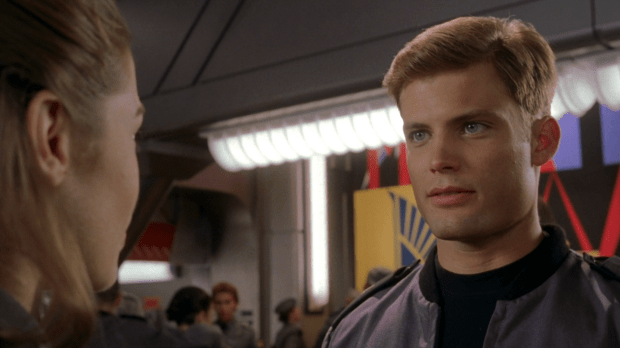
Is Starship Troopers the Best Movie of All Time?

This is Best Movie of All Time, an eternal search for the greatest film ever. Read the full archives here.

I never felt like I needed to see Starship Troopers. It came out when I was the right age for a sci-fi future-war movie of any quality and it should have been right up my alley, based on the marketing. In previews it seemed like a big, dumb, loud war against bugs. I didn’t really understand why anyone would want to see it. Even as a teenager it seemed unappealing, despite being a genre that seemed to be marketed entirely to teeenagers.

But it’s the kind of movie that people with great taste keep recommending. It became a curiosity to me, like a band that’s always listed among your favorite bands but you’ve never checked out. I still couldn’t figure out why people like culture critic David Roth were writing about this space bug war movie in The New Yorker.

There’s really only one way to talk about Starship Troopers now, and if you’ve seen it and are a fan to any degree then you know where this is going. I’ll keep the history lesson short, but it’s critical for our discussion that we all be on the same page. People didn’t get it, somehow, in 1997. Roger Ebert used the phrase “sly satire” in his review, which says more about the two decades between that moment and this one than any other two words could say. Starship Troopers is not sly. It’s a clanking, screaming, insistent satire that is so brash that people managed to miss it as coming around the other side.

Just as you must watch a movie from the 1920s with some understanding of the times, you have to send your brain back to 1997 for Starship Troopers. The world was not what it is now. That which seemed ridiculous to writer Ed Neumeier and director Paul Verhoeven has been toned down now. Starship Troopers has the same DNA as Brazil and Idiocracy, other dark portrayals of futures that might be if we do not turn away from troubling trends. Brazil especially feels present, with the darkness just out of reach for the cast we’re seeing.

The difference is that we have no surrogate character here. No one in Starship Troopers is part of a resistance or even struggles to buy in to the reality of their world. This is why it struck a weird note for so many people in 1997, because it felt too genuine. The military rules the world and the characters love that. They don’t just accept fascism, they revel in it. We start the movie so far in the future that we don’t ever really contend with the period most other dystopian films are interested in. Verhoeven shows us what it looks like in the generation after the bad guys already won.

The world of Starship Troopers is all military, all the time. Humanity has defeated democracy and now is in a permanent war with “bugs” on another planet. The bugs keep bombing our world and we interpret from this that they are the aggressor. If Starship Troopers is “sly” about anything, it’s the truth behind this conflict. The bugs appear monstrous and exist in a society we never see beyond war. Humanity only slightly comes across as more “human” but visually, it’s clear that some of these are people and those other things aren’t. It’s consistently suggested that there might be a way out of this, but humanity has gone way past diplomacy being an option.

We follow a few stock characters that rise in the ranks and show us boot camp, officer school, and the stratification of the military. Everyone is cranked way up, excited and beaming about uniforms and regulations and honor and duty. It’s impossible to miss this as a ridiculous choice today, but it really did seem to people to be a suggestion that this life is aspirational. I really struggled to see that reading on my viewing and it’s a challenge, now. During a brief cutaway where a character on a news broadcast says that it’s possible humanity’s adversary might be capable of thinking and there might be a way to go about this differently they are shot down immediately by another host who calls the suggestion “offensive.”

A lot of the cultural commentary on Starship Troopers focuses on the launch of Fox News Channel that was nearly concurrent with the movie’s launch. The film is broken up with newscasts that appear to be clickable for at-home viewers, all of which end with an excited “would you like to know more?” It is impossible to untangle these ideas all these years later, but this had to come across strangely at the time. Nothing in the film is more prescient than insistent, barking news programs talking about the military and propaganda, tied together with a suggestion that consuming more of this will increase your knowledge. It doesn’t seem to have been clear to people in 1997, but it makes Verhoeven look like a time traveler now.

Is it any good? Yeah, of course it is! It’s much more interesting as a reflection of changing times than it is as an action movie, but that was the point. The bugs still look scary and quasi-real, which is an accomplishment in a field where effects look dated almost immediately. The plot hums along, with the standard beats of sci-fi and war movies but plays with the tropes of both genres enough to be surprising. It’s a fine enough movie if all you want is man vs. monster, but the message is why you’re really watching.

Verhoeven supposedly had to explain a lot of what he was trying to say to his actors. It’s easy to laugh now at people who “didn’t get it” but that seems to be the majority opinion. It opens up a legitimate discussion of satire, one we’re still having in the present. If people don’t immediately understand that you’re presenting something evil as evil, are you actually telling the story you mean to tell? I don’t think the problem is in the text, but we apparently weren’t ready for Starship Troopers in 1997.

It’s screamingly funny, now. The propaganda all pops as hilarious and the over-the-top violence all reads as a condemnation of a fallen society that lost what makes us real. There’s a safety net to all of this for a modern viewing, though. Anything that feels awkward or poorly executed can be rounded up to being part of the satire. Everyone is wooden and ridiculous, but that’s part of the joke. The love stories are shoehorned and surface level, but that’s also a joke. That can be true and frustrating to contend with at the same time.

It’s a better movie today than it was on release, which is not a statement you can make very often. Almost every person who contends with Starship Troopers does so through this lens of rethinking film through different context, and it is worth noting that Starship Troopers takes a very specific stand. Idiocracy is funny in a lot of the same ways, but ultimately the warning there is too all-inclusive to ever feel perfectly suited to any time. We’ll always fear that we’re getting dumber and that we’ll be undone by the loudest and least-informed among us, but Starship Troopers tells us that all happens because you give in to something else before it gets that dark. Verhoeven isn’t worried about “the future,” he’s worried about what we’re going to do right now.

Is it better than the last movie we looked at? I don’t think so. I’ve certainly spent more time contending with Starship Troopers than I did Badlands, but one is much messier than the other. Badlands may have less overall to say, but it does it in a more inarguably artful way. Starship Troopers is more fascinating than anything else, which is a remarkable achievement but not a better finished product than Badlands.

Is it the best movie of all time? No, though it’s infinitely more interesting than I expected it to be. I completely understand where people were coming from with their reviews in 1997. If you walked out of Starship Troopers disgusted by an exciting war movie where the good guys are fascist idiots who love war and violence, you did get one level of what was happening. It’s not entirely fair to say that anyone who hated it didn’t understand it, a lot of them just thought the satire wasn’t presented in a way that sold the message. There is struggle, but ultimately, one of the on-screen messages is that might does, in fact, make right. It’ll be a much better movie for you if you take that one step further and see that all of this is happening in a world that doesn’t deserve to be saved anymore, but it’s a fair criticism to say that Verhoeven is asking you to make that leap yourself. It’s also frustratingly dumb, often, which is the point, but it’s not any more fun to watch bad acting just because it’s a subversive joke.

You can watch Starship Troopers on Amazon Prime. You can recommend a movie to me for this series through email at readingatrecess @ gmail.com or on Twitter @alexbad and I will watch it, no matter what. Try to pick something good.

Is Badlands the Best Movie of All Time?

This is Best Movie of All Time, an eternal search for the greatest film ever. Read the full archives here.

In 2013, Criterion interviewed Martin Sheen, Sissy Spacek, and Jack Fisk about the production of Badlands. It’s all worth watching, but the standout comment is when Sissy Spacek says “things were different then.” She’s talking about how audiences received the movie in 1973 and how they never laughed, even at moments she expected people to laugh at. Spacek says people laugh now because they live in a different time. The 70s were harder, meaner, and people saw this film about the 50s in the 70s and reacted accordingly.

You have to put yourself in the space a movie came out in to really approach it honestly, but you also live in your own time. Badlands is about a string of murders that really happened in 1958. It was released in 1973. Sissy Spacek was commenting on it in 2013. We’re in 2021, now. You might be in another time when you read this. On a long enough timeline all of those times are the same, but you know that that they aren’t. When you watch an older movie, you have to watch it through a different lens. Parasite and Wings both won Oscars, but you owe it to Wings to judge it differently.

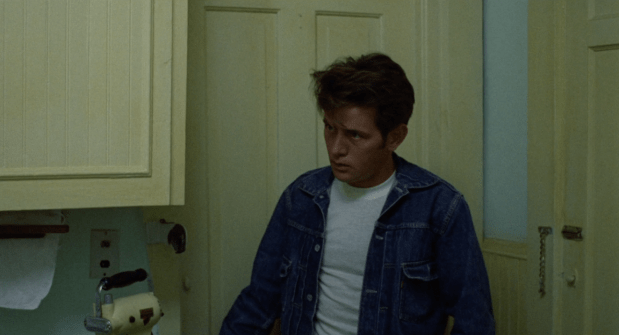
This isn’t to say that Badlands doesn’t hold up in 2021. It absolutely does. It’s so many movies at the same time: a love story between two unlikely characters, a road movie with no real destination, a true crime drama, and, in a way, a monster movie. Martin Sheen as Kit Carruthers is a dashing rogue, sorta, but he’s mostly a terrifying force of nature who upsets everyone he meets, if he doesn’t outright murder them.

Kit Carruthers is based on Charles Starkweather, a real murderer who killed people with his girlfriend Caril Ann Fugate. Caril becomes Holly Sargis in Badlands, with very little changed other than the names. There are details different between the true events and the film, but it never really matters beyond the start of the plot. In real life Charles Starkweather murdered Caril’s family and waited for her, in the film he murders Holly’s father in front of her. It’s a really critical difference because it gives us a look into how Holly is going to respond to what comes next.

The shooting itself is horrific. Kit goes wide-eyed during an argument with Holly’s father and asks him “suppose I shot you, how’d that be?” Holly’s father doesn’t think he’s serious and turns his back, which proves to be a huge mistake. So many movies would use this moment to show us Holly in grief, with a big scream and a panic attack. Or, maybe, they’d show her as cold-blooded and have no reaction, thus establishing her as a psychopath and someone we needn’t feel sorry for when it all goes bad. Badlands does neither. Holly asks if he’s going to be okay or if he needs a doctor. Kit says no, and that he’ll be back later. He goes as far as to tell Holly she can call the cops if she wants, but that it’ll be bad for him if she does.

It’s all matter-of-fact. Dad had to die because he wouldn’t allow them to be together. Both of them want to be together, so this is just what came next. Holly doesn’t like her life and Kit seems to open a door into another one, so she steps through. She cries and she wanders around the house smoking, unsure of what she should do but also not nearly bothered enough by this disaster. Kit tells her he found a toaster. It’s a funny line, but it’s also a look into who he is. He’s mad at the world, but not in the way we’re used to seeing murderers mad at the world. This isn’t for justice, necessarily, it’s just what has to happen.

Kit’s character is entirely in the look. Martin Sheen says they tried to get him to wear a cowboy hat and it didn’t really work, which seems obvious when you watch the performance. He’s James Dean, or at least he thinks he is, and the look is everything. Holly tells us who she is through voiceover, which would be jarring in a lesser film. We don’t get to see much that would tell us how she feels or what she wants, and “tell don’t show” isn’t a saying for a reason. Voiceover is sometimes a crutch, but Terrence Malick lets Holly tell us things we couldn’t have any way of knowing. When she ends the film telling us what happened to her, we feel conflicted about her role in all of this. Without the voiceover she seems aimless and bored. With it, she confirms that she’s doing all of this of her own free will, but also that she hasn’t really interrogated why she’s doing it or what it’s going to look like before it happens. She’s here, but not.

In that special feature from 2013, Jack Fisk says “our lives may be meaningless or they may be perfect, it’s hard to tell.” He was the art director for Badlands and he put things in drawers that the audience would never see, just to keep the actors in the space they need to be in for characters to feel real. Fisk fell in love with Spacek on the set and they later married. He went on to do design for several masterpieces, including There Will Be Blood, The Master, and Mullholland Drive. He’s a legend in the field, but Badlands stands out especially. The look of the movie has to do a lot of heavy lifting with main characters that say very little, and Badlands is beautiful. We’re in the open wilderness for a lot of the movie and it’s easy to get lost in the background in the best way possible.

The real magic trick of Badlands is how you feel about Kit and Holly. Kit is an unrepentant murderer. Holly is a passenger, but also signing on for all of this every day until she decides it’s boring. Still, you don’t find yourself in the space you’d usually be in for a movie like this. Kit isn’t scary outside of the actual murders, as crazy as that sentence is to consider. I found myself viewing his victims with a sense of dread, knowing that they were doomed but not always immediately connecting their death to Kit’s decisions. It’s what makes this all more complicated than a cheaper, easier take on this same idea, like Falling Down.

Kit tells us why he’s doing this, sorta, but it isn’t what matters. What matters is the scenery and the passage of time, which makes Holly’s narration all the more beautiful. We’re Holly, just waking up every day and getting back in the car. Nearly everyone involved here went on to make bigger (definitely) and better (maybe) things, and they left their touch on this story in a way that rewards successive viewings even though you know where it’s all going the first time you see Kit fire that shot.

Is it better than the last movie we looked at? Yes. Journey to Italy hinges on your ability to believe the turn at the end and it asks you to look at some beautiful scenery to get to that turn. Badlands isn’t about journey or destination. It’s about what happens, sure, but it’s not as simple as that. Martin Sheen says it’s still the best script he’s ever read and it’s not an overstatement. There’s nothing you need to unpack or examine. It’s just what it is, which is so much scarier to contend with than a motive.

Is it the best movie of all time? I think, so far, it is! I liked Badlands a lot when I saw it first but I loved it when I had time to think about it. It’s beautiful to watch and a little terrifying to consider. You could examine Kit in a number of ways but what’s actually on the screen doesn’t tell you much about why all this is happening. It also doesn’t really ask you to figure it out. Bruce Springsteen wrote “Nebraska” for Nebraska because he saw Badlands and wanted to explore why Kit does what he does. It’s something to create a murder story that’s “haunting” but it’s altogether more complicated to make something that mixes that terror with the mundane.

You can watch Badlands on The Criterion Channel (subscription required) or on Amazon for $2.99 You can recommend a movie to me for this series through email at readingatrecess @ gmail.com or on Twitter @alexbad and I will watch it, no matter what. Try to pick something good.

Is Journey to Italy the Best Movie of All Time?

This is Best Movie of All Time, an eternal search for the greatest film ever. Read the full archives here.

I don’t know if you can “spoil” a romantic film. The lovers are in love. We need to establish that to talk about this one because the ending is critical to any discussion of the merits of Journey to Italy.

Thirteen minutes before the final frame of Journey to Italy, one of the lead characters tells the other they want a divorce. It’s a firm, final statement after over an hour of misery that was very obviously leading to this moment. It’s not a “spoiler” to tell you this and it’s not surprising when it happens. If anything you feel relieved in this moment, as it is said that no divorce is ever really sad because it means two people are finally honest with each other.

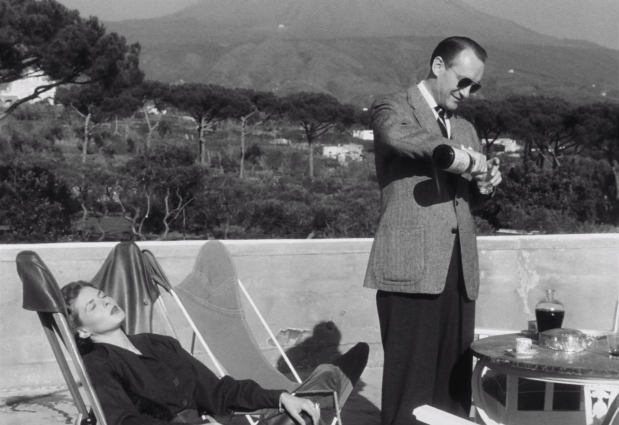
The last ten minutes or so whip away from the direction the entire movie has been heading and the characters reconcile, very nearly literally at the last second. “Are you suddenly getting sentimental? Listen, Katherine, we’ve been honest with each other up until now, don’t let’s spoil everything,” George Sanders says to Ingrid Bergman in a traffic jam as they try to leave Italy to head home and get divorced. There are roughly 200 seconds left in the movie when this line is delivered. “I despise you,” she says, and she shakes with fury at the lack of romance, the lack of passion he displays even in the face of this nuclear option. They have a change of heart, incredibly, and that’s that.

The first time I watched No Country for Old Men I had to leave the room during what I thought was a slow moment but turned out to be the ending. It blew me away because I expected something else. That’s a masterpiece and a movie I’ve seen a lot since, but it was really shocking that they chose to end with a quiet moment in a kitchen with some ends still loose. Journey to Italy does not appear to be a movie that would give you the same kind of whiplash, and yet, here it is.

Roberto Rossellini’s Journey to Italy is part of the Italian neorealism movement. The charm is intended to be everyday stories about everyday people, where you can see yourself and the world you move around in outside. It’s the story of Katherine (Bergman) and Alex (Sanders) trying to unload some real estate and get out of Italy after a brief vacation. They’re leaving as soon as they get there, with an opening driving scene to set this up as a road movie but some frustrated conversation about laziness and sloth to establish that this is not a fun trip.

Alex is deeply unlikable. I mean deeply. He hates Katherine, it seems, and Rossellini goes to great lengths to make sure we understand that he works all the time and he’s a big bore. There’s a fun scene where he tries to get more wine from an Italian woman because he “isn’t used to all these sauces” but aside from that, nearly every line he says is an insult or a deflection. Sanders never really sells him as a leading man, but he’s got an impossible task given how negative the character is.

Katherine is more interesting. She talks about a poet who passed away and wanders around museums and landmarks in search of something, anything, that might connect her to the world. She finds it to varying degrees. We spend most of our time with Katherine after a few scenes to establish their crumbling marriage. If there’s any joy at all in Journey to Italy, it’s in these moments of Bergman trying to understand this strange place with so much history.

Crowds and critics hated it in 1954. It was recut several times and also released as Voyage to Italy and several other names. Rossellini said that people tried to sell it as a commercial film and didn’t understand it. A.O. Scott said in The New York Times that even the leading actor didn’t seem to understand the point, and he said that as part of a quote from Sanders about audiences not understanding it! No one seems to “get” this movie enough for the judges of what is great. It’s become a masterpiece now and French critics at the time said it was a turning point in cinema.

I think this is a test. There are classics that you aren’t going to like and there are some you will. If you watch everything on the great lists, you will be influenced by their placement on said lists and you will inflate them, invariably. But sometimes you watch something that’s “great” and just don’t click with it. It’s frustrating and it tends to make you think the problem is with you. But I don’t think so.

I don’t like Voyage to Italy and I think the ending is absurd. Every critical analysis I’ve found of it has to grapple with that. Critics call it “surprising” or, yes, even “absurd.” These characters don’t just not love each other, they hate each other. They have nothing in common and we have no reason to suspect that they feel any tenderness at all. I have to assume this is the point and it’s a grander statement about how we deal with each other and how we live our lives. I’m certain I don’t “get it” enough for A.O. Scott, but it left me tremendously cold.

The coldness is interesting, though. It’s remarkable to work through a story that seems predictable and then to swerve at the last second, even well beyond what any reasonable viewer would consider the last second. I don’t buy it at all, and I’m fascinated that it seems like you’re supposed to. If the point was that this is a beautiful lie, that would be something. But I’m not sure it is. It’s all part of a kind of filmmaking that doesn’t care much for traditional plot. Almost nothing happens, but almost nothing needs to. It’s a feeling more than a story.

One critic I saw suggested rewatching the movie after you know that love wins out and finding how the characters come to that conclusion. This feels like work, but I tried. I still don’t see it and I don’t know that it’s there to be seen. I’m interested in the feelings that Rossellini wants me to feel, but I can’t help but feel like the love story that it’s all grounded in is a little too weird. I know that’s not the point, but it’s hard not to see the movie happening in the middle of all of this ennui.

Is it better than the last movie we looked at? Husbands and Journey to Italy have a lot in common. The people are miserable and they travel to try a change of scenery to improve their circumstances. In both cases, interestingly, the people who need change the most seem to know this isn’t going to work. These are physical movements but they are disconnected from the emotional shifts that will actually address what’s wrong. Neither film is for me, but I do think Journey to Italy will stick with you longer and is more interesting to consider.

Is it the best movie of all time? It is really interesting that audiences didn’t like this until critics told them it was important. That’s not unheard of, obviously, but I think it’s really noteworthy in this case. People watched this and didn’t like the people or the story they acted in and that, usually, is that. But with Journey to Italy, we’re told that this is seminal work and it’s important in all these ways and you’ve got the paper of record saying even the people who don’t get it don’t get it in some secondary, additional wrong way and it all turns into something more. I think it’s okay for film to be challenging and for you to have to work to love something, but I don’t think the work pays off in this case. It’s worth seeing to see how it makes you feel, but I don’t think it’s the unquestionable, perfect time capsule that the critical consensus seems to think it is.

You can watch Journey to Italy for free on The Criterion Channel or HBO Max or Amazon. You can recommend a movie to me for this series through email at readingatrecess @ gmail.com or on Twitter @alexbad and I will watch it, no matter what. Try to pick something good.

Is Husbands the Best Movie of All Time?

This is Best Movie of All Time, an eternal search for the greatest film ever. Read the full archives here.

I feel like I should say this up top: I have not seen everything John Cassavetes has made. That seems to be an outlier position. There are a lot of directors like this, but if you like anything he’s made, you love everything. My first introduction to him was in Le Tigre’s “What’s Yr Take on Cassavetes,” a song where the band screams alternating takes of “genius” and “misogynist.” I apparently didn’t feel like that was enough to investigate further.

John Cassavetes directed twelve films. I suppose that eventually I will try to see all of them. That’s the mark of influence, to some degree, that you occupy enough of a space in the canon that people want to learn what you made and why you made it. Husbands was the first one I saw and it really, really surprised me. I mean several things by that.

The plot first: Three men go to a funeral and process the death of their fourth best friend. This was personal for the director, as he lost a friend early. Statistically, this isn’t uncommon. You can probably relate to this, maybe even in exactly the same terms. The film opens with the aftermath and the uncomfortable response all three men have to death and what comes after for those who live. They wander New York and get drunk. They play basketball, in a scene that sticks with me more than most of the rest of the movie. They want to keep the night going, not just out of a joy of being together, but out of a fear of returning to their own lives.

There are several ways to view this. Grief is complex, and a response like this isn’t even a strange one. It gets more complicated as they return to regular life and explode in various ways. There is some extremely uncomfortable and extremely long emotional and domestic abuse. We’re led to believe that this is a reasonable reaction. These men deserve their anger and their wildness and their response. I think any critical review of Husbands has to reckon with what Cassavetes intends these scenes to say. That’s what Le Tigre wants you to think about, too.

Time said Husbands was “the best movie anyone will ever live through” and Roger Ebert famously said “seldom has Time given a better review to a worse movie.” The Guardian drew a comparison in their review to John Updike’s Rabbit, Run, another story where men say they would be doing great if all these terrible women would just let them live. Your ability to enjoy the motives behind Husbands will depend largely on what you think Cassavetes thinks of his main characters. It’s called Husbands, after all, but the relationships are deeply strained and get worse, mostly through aggressive, impulsive actions.

Even if you’re willing to view this as a critique, solely, on these actions, you have to contend with more than two hours of film. The distributor removed 11 minutes after release as audiences were walking out, but that’s even after the director removed over an hour of what he wanted to include. I wouldn’t wish that original cut on my worst enemy, because the finished product still feels like one of the longest movies I’ve ever seen.

Most of the “film paper” reviews of this movie talk about the choice to include a 25-minute segment in the first act of the film. The characters show up to a bar and host a long, long singing contest and then throw up in a bathroom. There’s really no other way to say it. It has to be the longest vomit scene in anything that has a Criterion Collection release. There’s speculation that it’s real and that the actors were really drinking to create the effect, but I’m less interested in that aspect and more in the director’s choice. Cassavetes really, really wants you to feel like you’re in this bar bathroom and you’re uncomfortable with these characters. The singing contest is more than ten minutes, with extended pauses and realistic, awkward exchanges. The bathroom scene feels true-to-life for a blackout experience in a tight-squeeze bathroom. It’s impossible to not feel the experience when it works, but it’s so long, so very long, that it’s impossible also to not feel like you’re watching a movie that wants you to feel the experience.

This is my second review in a row saying a movie “feels long” but Husbands is designed to do just that. Cassavetes wants this to feel like a wandering mess, or at least I hope he does. It fits the tone of the story he’s telling and the improv-feel of the dialogue (whether it’s scripted or not) tells us a lot about these three men and how afraid they are of what comes next.

The nicest thing I can say about Husbands is that it’s interesting. The choices here are surprising and the result is a movie that feels intentional and deliberate at every step of the way. The things I don’t like feel like things I just don’t like, not failures of filmmaking or screenwriting. I bought into the sadness and the angst of these men until they lost my sympathy and the story fell off a cliff for me after that. I will admit that might be the point, but it spends so much time making that point that it doesn’t matter for me what the aim here was in the first place. It’s all lost in the experience over time.

By the time the trio makes it to London to have a final hurrah, things feel even less critical. It’s winding down even before the climax, which is compelling in a sort of “bold choice” way but certainly not as a viewer. I don’t think I would suggest to anyone that they see Husbands, but I would want to talk to anyone who watched it right away. Responding to grief by running away is familiar territory for classic film, but the nihilism of Husbands doesn’t build on the premise. It just spends a lot of time drunk in a bar or drunk in London, hoping things will get better without doing any of the work necessary to get there. If the time was compelling to watch the lesson wouldn’t matter at all, but it just isn’t.

Is it better than the last movie we looked at? No. Battleship Potemkin is groundbreaking and drags a little bit for a modern audience, but that’s a result of the march of time. Husbands drags on purpose to make you suffer. People walked out at the time, so this isn’t some modern view that can’t process what the director intended. I do think there’s something here, but it’s surrounded by the kind of tissue that needs to be cut out. The performances are fascinating and the best part of the film, but it all strings together so oddly that it never really works.

Is it the best movie of all time? No. Husbands is more fun to reflect on than it was to experience. Maybe after I finish every Cassavetes movie I’ll be able to understand the galaxy-brain approach and why you need ten minutes of confused vomiting, but I don’t think even then I would elevate this beyond an interesting oddity.

You can watch Husbands for free on Amazon (if you have Prime). You can recommend a movie to me for this series through email at readingatrecess @ gmail.com or on Twitter @alexbad and I will watch it, no matter what. Try to pick something good.

Is Battleship Potemkin the Best Movie of All Time?

This is Best Movie of All Time, an eternal search for the greatest film ever. Read the full archives here.

Battleship Potemkin is a tricky movie to evaluate. It’s been almost a hundred years since it was released and it doesn’t really resemble what we consider film today. To call it “bad” given its place in the history of cinema would be a scorching hot take, purposeless except to force a reader to the comment section. To call it “good” seems equally difficult, as it’s missing a tremendous amount of what a movie needs to contain to engage a modern audience.

The difficulty with a lot of early cinema is that it very often feels like pushing vegetables around a plate. There is a lot to love in the early days of filmmaking, but it’s really silly to pretend that even a stellar movie like M isn’t just a little bit boring. You run the risk of sounding like some kind of idiot if you say that, but I’d argue that you should be willing to meet the movie where you’re at just as much as you need to meet it where it is in the historical context.

Battleship Potemkin is the story of a Russian mutiny on the battleship Potemkin. The real mutiny happened in 1905 and didn’t exactly happen like this, but that doesn’t really matter. The film was created as propaganda, though that carries a connotation that I don’t intend. It’s a simple story of how starving sailors will rise up and demand a better life, which turns into everyone rising up for the same reason. Joseph Goebbels famously said that it would work as propaganda on anyone who had no existing beliefs. Starvation is an easy bad guy to understand.

The movie is short at roughly an hour, but again, it’ll feel long to a modern viewer. It’s repetitive, as it really does just want to drive that one idea home. It’s the story of class, with obvious villains who have to appear obvious in a silent film to an audience that would bring their own convictions and understanding to the visual representations. It certainly worked differently on audiences in the 1920s, but even now you’ll understand who is good and who is bad. You’ll also understand why, though, because it’s all about obvious things everyone deserves. When the guys in the nice clothes demand the guys in less nice clothes eat rotten meat, it does not matter what you bring to the proverbial table. You get it.

You have to get it. It has to not just work right away, but to smash through what you feel. It’s shockingly violent, with multiple innocents dying at the hands of an oncoming, faceless, evil force. The evil force is “right,” technically, legally speaking, but that’s what revolution is all about. Battleship Potemkin needs to be unambiguous, but to break down your feelings that government, order, society, all of that, is working. When the sailors rise up, there is no assurance that people will go with them and rise. The people do, then they are put down, then another boat joins their cause. This is the story of revolution, the movie tells us, and it will be difficult but it will work.

The story is really powerful. You don’t know, going into the ending, what will happen. I’m going to “spoil” this movie from the year William Jennings Bryan died, but another battleship nearly fires on the rebellious Potemkin and then doesn’t. Disaster is averted and the revolution, for now, is intact.

This would have been the most shocking outcome to the audience at the time. Of course, this is about a real event, so maybe not, but the reminder that rising up works (at least temporarily) is always a revelation. It’s easy to get stuck in what you’re doing, both macro and micro, and the triumph of the movie is the climax selling this idea as a really significant win. Nothing happens, which turns out to be a huge thing.

Sight & Sound does a list of top movies voted on by directors and Battleship Potemkin is on the most recent top 100. The Gold Rush is the only film older than Battleship Potemkin on the list. It was compiled in 2012, but still only four movies from 2000 or later made the cut versus seven movies from the 1920s alone. Film history is obviously going to be something directors want to preserve, but it is a controversial and complicated idea when you get into it. Were we better, as a people, at making films a hundred years ago?

Of course not. But it is easier to be revolutionary when history has fewer firsts, of course, and Battleship Potemkin treads new ground. Everything owes to this, but it’s not just that this was first. It was undeniable, which is why it endures. The three things that happen are all gripping and told in a way that an audience would never have expected, but it’s hard to shake the modern narrative expectation a hundred years later that there should be more than three things. Is that on us, as viewers? Sure, to a certain extent, but we are who we are.

Is it better than the last movie we looked at? I don’t think so, but this really stretches the definition of “better.” What Ever Happened to Baby Jane ushered in a new genre, sure, but not in the way that Battleship Potemkin created a whole language for filmmakers. Every reviewer will feel differently about this, but I think you have to judge a movie both by the context it was created in and the context of present day. It’s why The Birth of a Nation isn’t great, not that you need me to tell you that. It may have been capital-I Important but it’s racist trash that was even racist in the context of the day. Battleship Potemkin isn’t “canceled” or whatever, it’s just a tougher watch in a year that starts with “2” than What Ever Happened to Baby Jane.

Is it the best movie of all time? No, but it’s possible that it was the first “great” movie that’s still something you could enjoy in a similar way today. A lot of early cinema can feel impenetrable, leaving you with the sense that jokes or knowing looks meant something to audiences then that you can’t access now. If you watch Battleship Potemkin tonight, you’ll basically have the same experience that audiences did originally. You won’t react the same way, but that’s not the movie’s fault. That’s the march of time, the development and improvement of recorded sound, and, probably, some people will tell you, your inability to truly “get it.”

You can watch Battleship Potemkin on The Criterion Channel or HBO Max or Vudu. You can recommend a movie to me for this series through email at readingatrecess @ gmail.com or on Twitter @alexbad and I will watch it, no matter what. Try to pick something good.

Is Crash the Worst Best Picture of All Time? All 86 Best Picture Winners, Ranked.

osc-banner_statuette (1)

Alex Russell

Over the course of 2014, I watched every single movie that won the Oscar for Best Picture, from Wings to 12 Years a Slave. I started from the hypothesis that none of them could possibly be worse than Crash. When I first made that statement I’d only seen a handful of them, but my disdain for Crash was strong and my desire to test my theory was even stronger. I could only safely call Crash the worst of them all if I’d seen every single one.

There are 86 of them, and they total 11,866 minutes, combined. That’s a little under 198 hours, or roughly 8 and 1/4 days. I did not consider how big of a task just watching them would be, much less writing about them. That said, it was a fun journey. It took me an entire year. I’ve now done the research and I’ve got all the data I need to say this:

Crash is the worst Best Picture winner of all time. Period.

They aren’t all bad, though! Just because Crash is a hopeless look at a forsaken world through the eyes of stiff, unlikable robot characters is no reason to not run down the list and see what’s worth your time. I started this year saying that I wouldn’t do that thing where I ended this with a list, but lists are fun and I spent more than eight days watching these damn movies. Now, you get a list. We’re going in order of worst-to-best, and I tried to hold my criteria here to just the abstract of “best.” That said, this list is only my list, so it’s a good thing I’m also right about everything. When you watch all 86, you get to make a list. Disagree in the comments.

Thanks for reading all year! If you missed any (or all of ’em) you can click the links to read each individual writeup. Spoilers are very rare and only used when there’s no other way to talk about the film, but you’ll enjoy each more if you’ve already seen the subject matter.

(You may also want to check out Buzzfeed’s version. It isn’t my favorite site, but their list was invaluable in deciding when to watch a “good” or a “bad” one, and it’s a much more critical look at the list.)
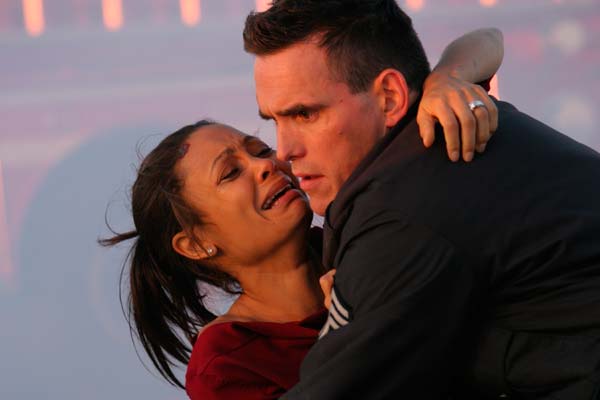
86. Crash

crash-4-large

“At one point, a character shoots a kid. The kid doesn’t die (because the gun is filled with blanks) and then the family walks away and leaves the shooter standing in broad daylight. If you shoot at my kid, we’re at least going to have a conversation.”
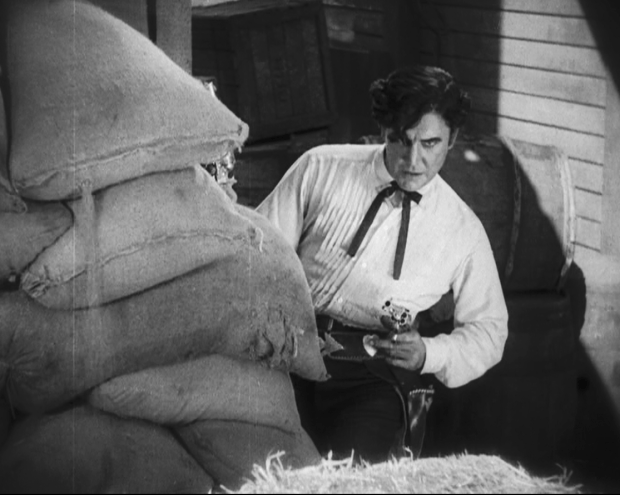
85. Cimarron

cimarron

Cimarron is an unmitigated disaster of a film. It’s slow, it’s weird, it’s boring, and it’s dated. There is absolutely no reason to watch Cimarron in 2014 aside from a desire to watch every Best Picture winner. This movie isn’t even fun to hate.”
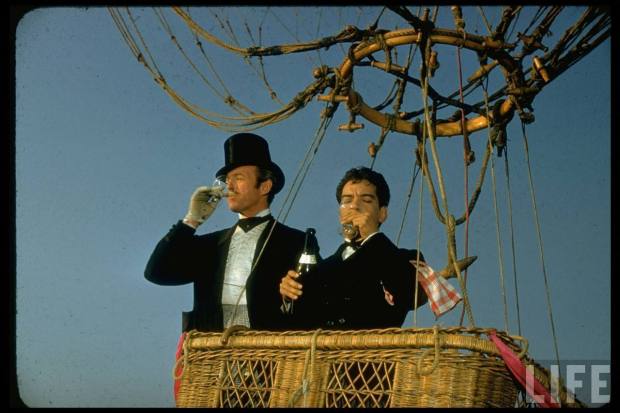
84. Around the World in 80 Days

around the world in 80 days

“There is no larger narrative beyond “go around the world.” David Niven bets a bunch of stuffy British people that he can go around the world in 80 days. There you go. You can skip it now.”
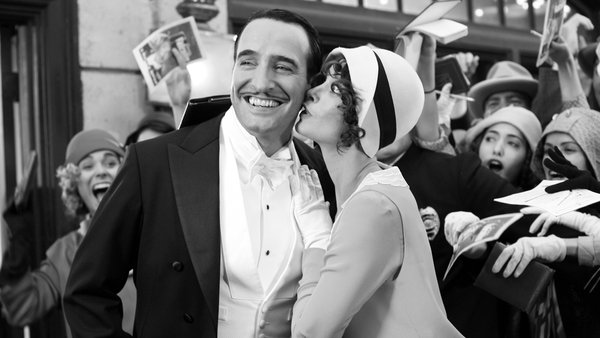
83. The Artist

video-artist-anatomy-articleLarge-v2

“There was a campaign around the release of the movie to nominate the dog for Best Supporting Actor. I love dogs. In the spirit of a piece where I compare pieces of cinema, this would mean equating Robert De Niro with a dog.”
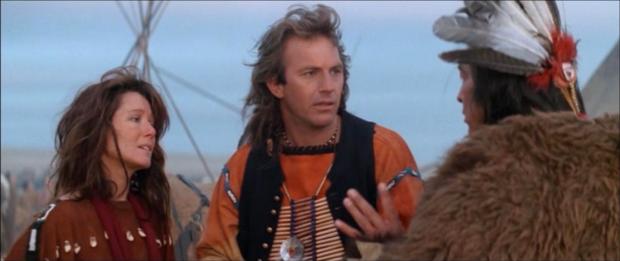
82. Dances with Wolves

dances with wolves

“Race is challenging, and a lot of people refer to movies like this as “Oscar bait” because they try to tackle the topic. They may be right, but winning the Oscar and being remembered fondly are different accomplishments. Dances with Wolves is just too hamfisted.”
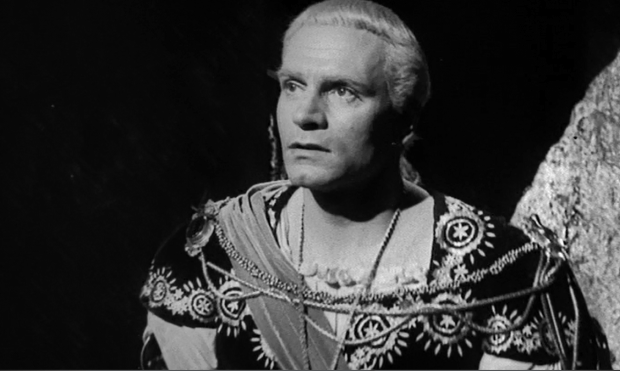
81. Hamlet

hamlet

Hamlet is not the story of a man who wants to have sex with his mother and can’t decide if he should kill his stepfather, or at the very least it is not that in that order, but if it has to be that to Olivier he has certainly succeeded in making what he wanted to make.”
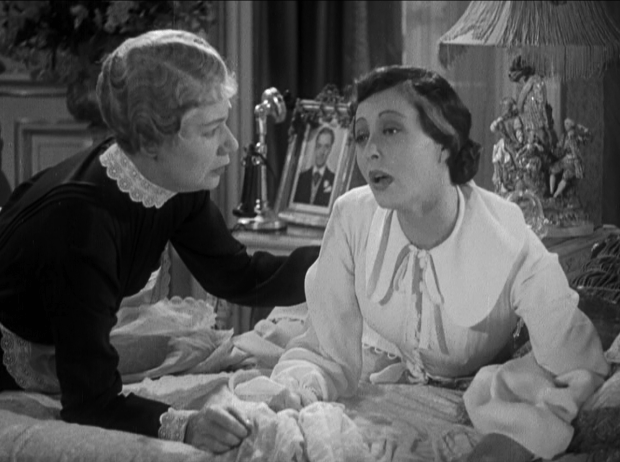
80. The Great Ziegfeld

the great ziegfeld

“There’s really no draw here. It’s deeply, deeply boring, maybe beyond the abilities of anything else on the list. It would feel long at half the length, and there’s nothing to really sink your teeth into.”
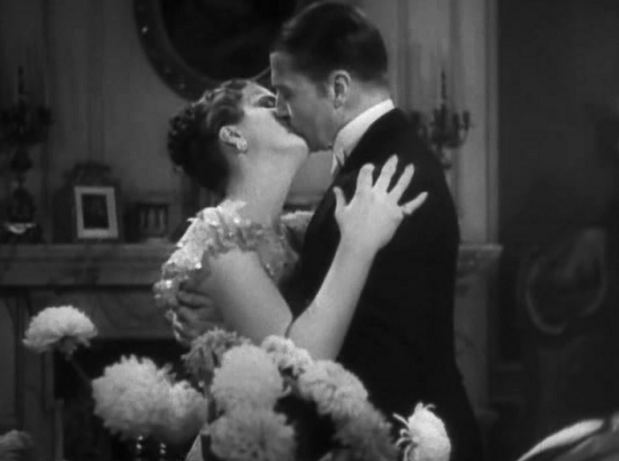
79. Cavalcade

Cavalcade12

“Lines are stepped all over, characters are never established, and huge diversions from the plot are common. That last one is the strangest trend about early Hollywood: everything made the final cut, no matter if it mattered for characterization, or the plot, or neither.”
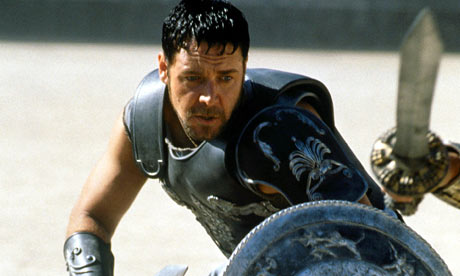
78. Gladiator

Russell-Crowe-in-Gladiato-001

Gladiator may be the only Best Picture winner that has absolutely nothing to say. There are worse movies, to be sure, but there aren’t any that attempt to do less.”
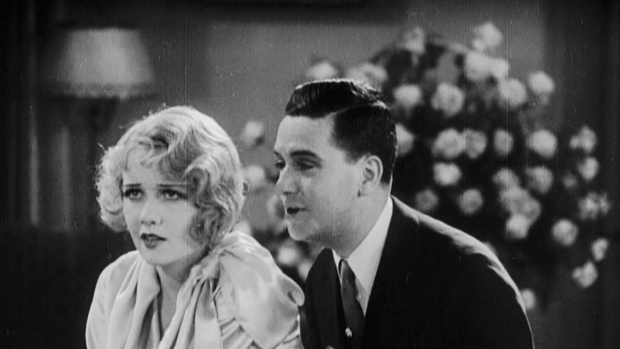
77. The Broadway Melody

broadway melody

“It’s real, real dated, y’all. The sexual politics of the love triangle (and fourth member, who gets added late in the film) will anger modern viewers, and there just isn’t all that much going on outside of that.”
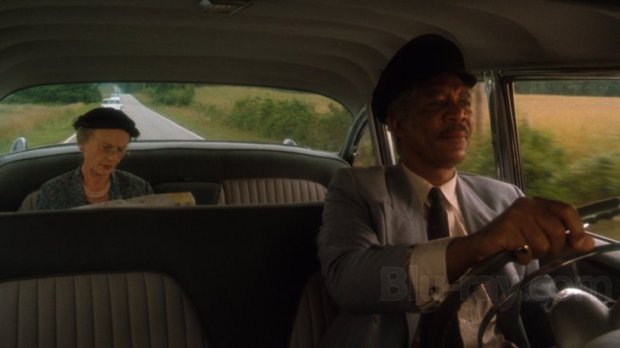
76. Driving Miss Daisy

dmd

“The journey isn’t “mean racist lady” to “nice old lady,” it’s “mean old lady who hates Morgan Freeman” to “somewhat less mean old lady who loves Morgan Freeman.”
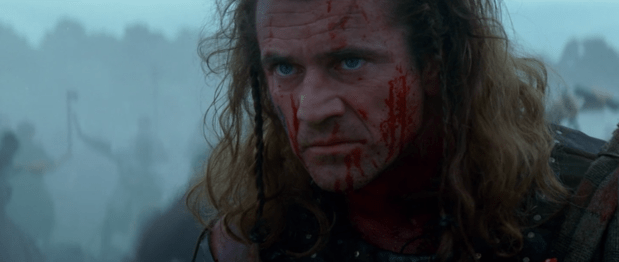
75. Braveheart

braveheart

“There are two kinds of “bad” Oscar winners: there are the Around the World in 80 Days kinds that are genuinely bad and win inexplicably and there are the Driving Miss Daisy and Gladiator kinds that seem fine at the time and almost immediately crumble upon future examination. Braveheartis that second kind. You see it on a list of Best Picture winners and just say, “Really? Okay.””
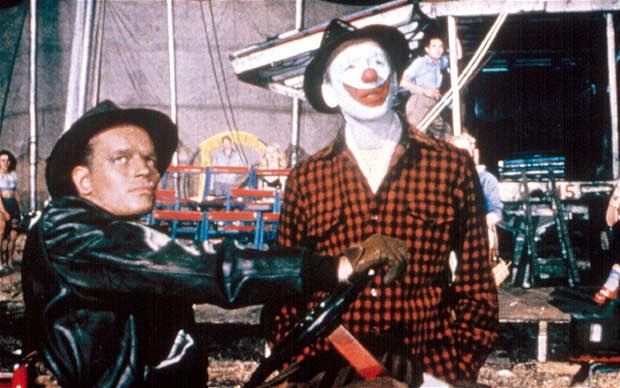
74. The Greatest Show on Earth

greatestshow_2149879i

“The problem here is that no one ever asked the question “is 90 minutes of circus footage too much?” It really, really is, but in a world that includes some truly awful movies with Best Picture on their DVD box, you shouldn’t hate The Greatest Show on Earth. You just shouldn’t watch it, either.”

73. Grand Hotel

“This is old Hollywood at its old-Hollywood-est. It’s a crazy story that likely works well as a play but doesn’t make a ton of sense as a film.”
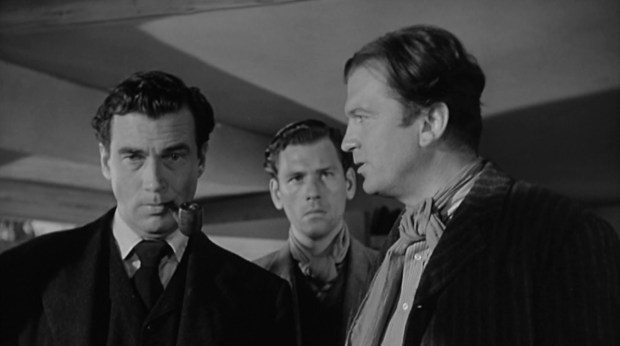
72. How Green Was My Valley

how green was my valley

How Green Was My Valley isn’t bad, but it’s a relic. It doesn’t really make sense anymore. It fills you with sadness for a people you can’t help. For an economy that has already bottomed out. In America we bemoan the death of our industrial cities, but How Green Was My Valley will put it in perspective: it has been thus for a long damn time.”
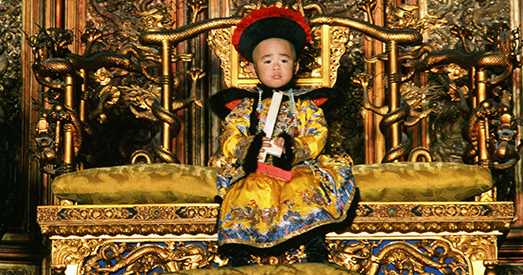
71. The Last Emperor

lastemp

“It’s a really full movie — I would like to go into his wives and opium and pregnancy, but that part of the movie drags a bit — and it can be tough to watch as a result. The payoff is good, but the movie could have benefited by being more judicious with the editing.”

70.  You Can’t Take It With You

you-cant-take-it-with-you-dinner2

“The family argues with the IRS over income tax, which is fine. Then they… make unlicensed fireworks and set them off all over their house in the middle of the city. Okay, cool, 1938. Whatever you say. I guess that’s a thing now. Then, a man in a silly mask runs up from the basement to scare the police so they can go back to their xylophone song.”
69. Tom Jones

image source: betterlivingthroughbeowulf.com

“The joke consistently is that Tom Jones is in love, but he’ll just sleep with this woman in this patch of tall grass anyway. Comedy is in doing something so many times that it’s funny, then not funny, then hilarious, but I was pretty damn tired of Tom Jones the guy and Tom Jones the movie by the end of it.”
68. Shakespeare in Love

1999_iconic_picture_actress_paltorw_fiennes

“There is absolutely nothing in Shakespeare and Love that is challenging or interesting. It’s just a series of events, well told and well acted, but not one that really engages.”
67. An American in Paris

image source: classichollywoodcentral.com

““Risky” is as nice of a word as I can use to describe the ending. I hate this ending. I hate, hate, hate it. It’s not spoiling it to say it ends with a “daydream” sequence that plays out as a ballet. I know it’s iconic and it’s exceptional and dazzling and all that, but it’s exactly what people think of when they say they “hate musicals.””

66. A Man for All Seasons

image source: the guardian

“The setup of the story of Sir Thomas More’s undoing is an interesting part of English history, but it’s not a very fascinating thing to watch. This thing wakes up like it doesn’t want to go to school in the morning. It’s almost 40% of the way into the movie before anything “happens” in a sense.”

65. Mrs. Miniver

image source: nicksflickpicks.com

“The entire movie is “climax” but my least favorite dramatic scene is a flower competition, and I would write more about it, but it’s a flower competition.”
64. Going My Way

Barry Fitzgerald and Bing Crosby in Going My Way

“The ideas of a religion wanting to appeal to a new generation and the old generation being afraid to try new tactics still resonates all these decades later. The theme of giving way to your future is still universal, but the way it happens in Going My Way feels a little dumb towards the end.”

63. Wings

MV5BMTUwNDY0MDUyMl5BMl5BanBnXkFtZTcwOTY4NTM2Nw@@._V1_SX640_SY720_

“If Wings has a claim to fame beyond the first Best Picture Oscar, it’s two million dollars worth of plane combat effects. They’re impressive (to a degree, don’t expect much) considering what they had to work with in 1927. The conventions of silent film mean that you’re going to watch a lot of flying time, so at least it’s well done.”
62. Forrest Gump

Forrest-gump-original

“Saying there are “problems” with Forrest Gump is putting it mildly, but they are all intentional problems. The camp factor of Gump is off every chart, even the chart they invented to show things that are off of charts.”
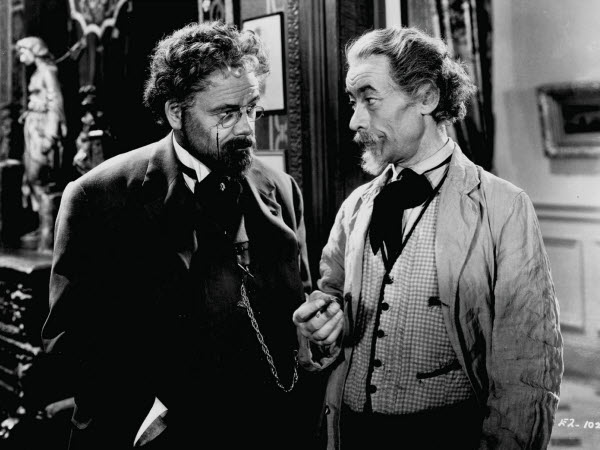
61. The Life of Emile Zola

image source: allmovie.com

“I had to watch The Life of Emile Zola twice to really get it. It’s one of the shorter Oscar winners — almost none of them clock in at under two hours — but it’s still an unbelievable slog to watch in 2014. It’s a courtroom drama that mostly happens outside of the courtroom and it’s an exploration of race that never mentions race at all.”
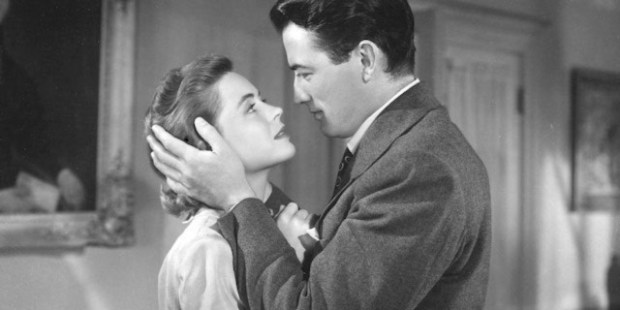
60. Gentleman’s Agreement

gentlemans

“There are scenes that are a little obvious – a man in an extremely classy restaurant at one point starts a fight with Gregory Peck’s friend just because he’s Jewish – but for the most part, it’s a surprisingly reasonable critique of a difficult topic.”

59. Mutiny on the Bounty

Charles_Laughton_in_Mutiny_on_the_Bounty_trailer

“It’s not perfect, but judged among the other 1930s winners like You Can’t Take It With YouCavalcade, and Cimarron, it starts to feel very special. It works in a modern setting, though it would need some tightening to work now.”
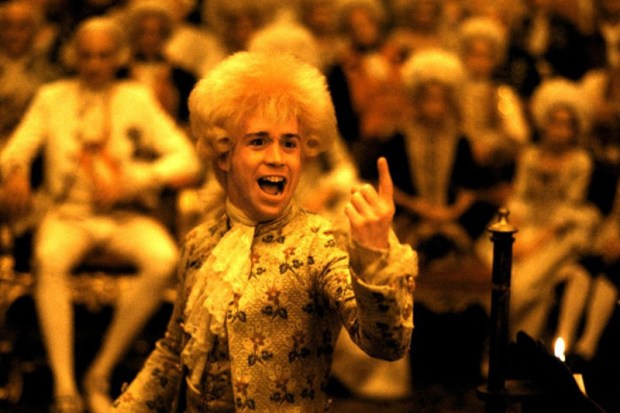
58. Amadeus

image source: virtual-history.com

“The most important conflict of the film is that Salieri can’t handle Mozart at all. It’s a compelling conflict, but it centers on Salieri’s shortcomings compared to the great composer. Maybe this is crass, but it’s definitely a bit difficult to feel for a guy whose main failing is that he kinda sucks compared to Mozart.”

57. Out of Africa

out of africa

Out of Africa has been rethought mostly because a 161-minute movie with (and this is a stretch) 2.5 characters is tough to pull off. Redford’s acting seems like it comes from many decades earlier, and it’s really hard to see how he got so much praise in the 80s for this one.”
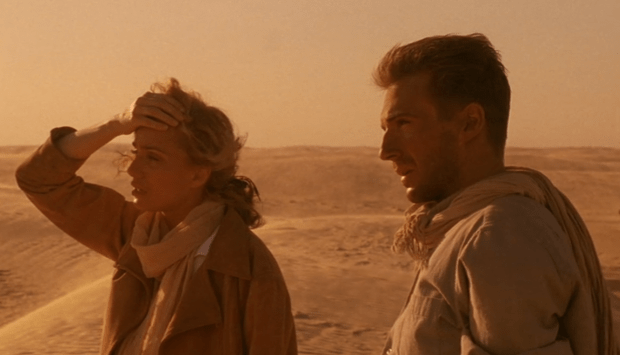
56. The English Patient

the english patient

“The two great crimes of The English Patient are that it focuses on the wrong things and that it beat Fargo, a much better movie.”
55. Ben-Hur

ben-hur

“Even the director of the film went on the record to say he was unhappy with Heston’s performance. The film was the most expensive film ever made, so you have to wonder if at some point they didn’t just decide to make an epic around him and hope it worked.”
54. Titanic

titanic

“The dialogue in Titanic is awful. At one point Billy Zane’s character is asked about Picasso and he says “He’ll never amount to a thing, trust me.” Little garbage jokes like that are scattered through this thing, and I just can’t stand them.”
53. Rocky

rocky37ul1.6843

“It’s not the chilling tale of Taxi Driver and it’s not the risky parable of Network, but it’s fine. Rocky shouldn’t be what we have as the history of 1976, but it’s no huge insult to its betters, either.”
52. Gigi

Gigi Still #1

“There’s no place in modernity for a two-hour explanation of why you don’t have to put on the red light, and if there is, there isn’t a place for it to pretend that it’s one of history’s great romances.”

51. Chicago

chicago

Chicago is also supposed to be fun, and I was definitely surprised to find that I really enjoyed it. The songs are catchy and the dancing is flashy and it has Taye Diggs. Are you going to tell me you hate Taye Diggs?”

50. West Side Story

west side story

“It won’t be something I revisit very often, but I found myself caught up in an update of a story that I already know. That’s an accomplishment, so my bold take on West Side Story is that it’s “an accomplishment.” Really going out on a limb here.”
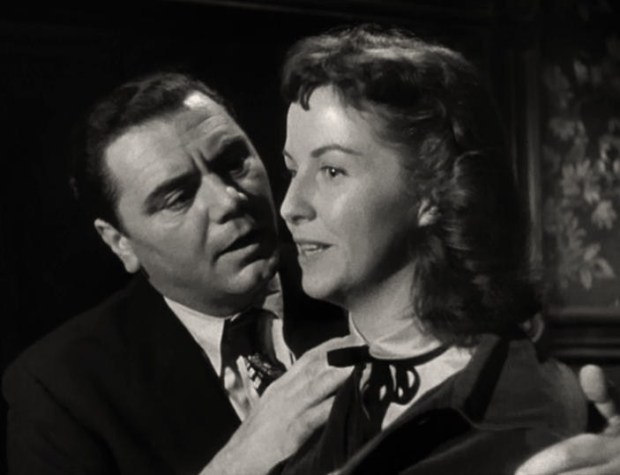
49. Marty

Ernest_Borgnine-Betsy_Blair_in_Marty_trailer

“Clara is nothing; she almost never even speaks. She’s upsetting in a 2014 sense because she struggles in a world that can’t accept her, but she’s ridiculous even in a 1955 sense because she just seems so damn bored in her world.”
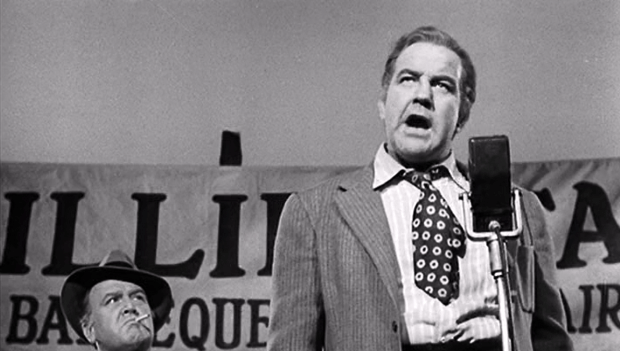
48. All the King’s Men

all the king's men

“There are weird choices that keep All the King’s Men from being one of the all-time greats on the list, but Broderick Crawford and Mercedes McCambridge turn in two performances for the ages.”
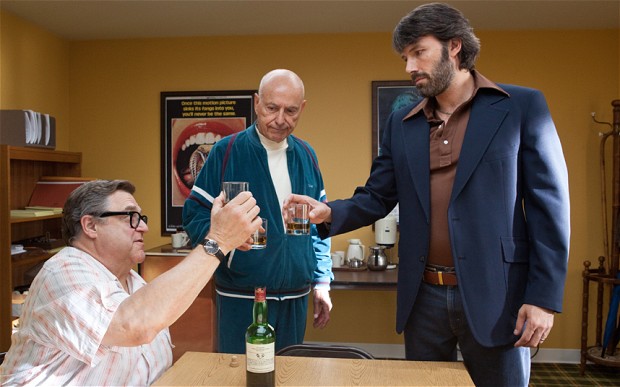
47. Argo

image source: telegraph

“Honestly, if anything is remarkable about Argo it’s that it’s awfully funny for a drama. Alan Arkin and John Goodman do a lot of heavy lifting in that department, and a bit role for Richard Kind never hurts.”
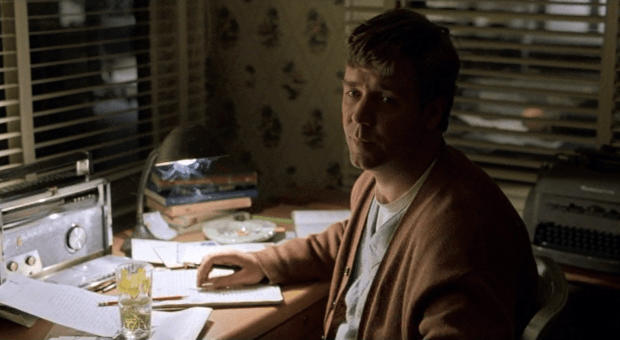
46. A Beautiful Mind

a beautiful mind

“A lot of the “John Nash is a genius” scenes are really damn pretentious. Towards the end he goes back to Princeton to haunt the library and be around smart people, and a scene between him and a young student drives right up to the cliff before stopping. It’s not quite terrible, but man, it’s rough.”
45. Slumdog Millionaire

slumdog

“There’s something we buy as an audience about two people who met when they were insanely young and then lost touch being in love, but think about that person in your life. Think about “risking it all” for that girl or boy from the first decade of your life. People may be mad at the conceit of a game show where a boy knows all the answers — and only these answers — but I just wish there would be a love story where the people had time to actually fall in love.”
44. Platoon

1987_iconic_picture_platoon

“Berenger’s character is a brutal villain. War movies often only show one side of a conflict, so it can be tough to discern a “villain” in the classic sense. In this movie, it’s definitely him. He tries to sow dissent through violence and threats. He reacts to someone saying that he should cool down by burning down a town. He’s the violence in all of us wrapped up into one scarred up guy”
43. The Lost Weekend

the lost weekend

“That’s the main takeaway from The Lost Weekend: the shock. It’s a movie from nearly 70 years ago, but it’s about a universal reality of humanity. We like alcohol, but a lot of us are afraid of it. I don’t think anyone could watch this and not relate to Don, or at the very least the terror of being consumed by something completely.”
42. Oliver!

oliver

“The poverty of Oliver! is meant to be the star, really, and it is. No matter how much you steal, you have to steal more, and the thefts themselves erode your character in a way you can’t return from. Nancy is Bill’s girl (see: “As Long as He Needs Me,” the saddest “love” song) and Fagin is a career criminal (“Reviewing the Situation,” which is genuinely funny rather than musical-funny) and neither of them have any place to go, even if Bill would let them leave. The cycle contributes to the cycle.”
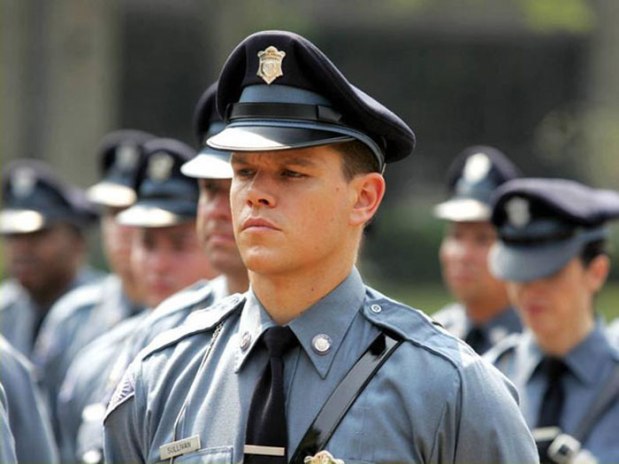
41. The Departed

damon_cadet_jpg

The Departed is the story of two moles: One is a real cop embedded into a fake life of crime and the other is a fake cop raised to infiltrate the police to protect organized crime. It provides the necessary interesting twists and it plays with the idea of loyalty and reality.”

40. The King’s Speech

The King's Speech

“Firth said after filming the movie that it was somewhat of a challenge to fully return to normal speech after affecting the stutter for the role. It’s a remarkable performance, to be sure, and it really sells the “journey” of the character.”
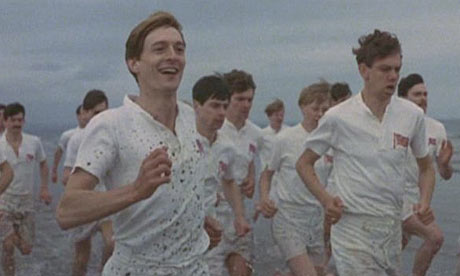
39. Chariots of Fire

chariots of fire

“Your typical sports movie is the story of an underdog either defeating a superior enemy or competing valiantly and losing. Chariots of Fire doesn’t exactly follow the template, but it’s assuredly still a sports movie that is about a bigger struggle.”
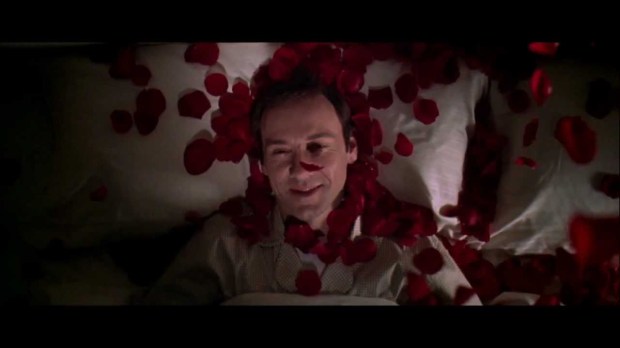
38. American Beauty

american beauty

“There’s a lot going on among the sad cast of American Beauty, and even for all the obviousness of the main traits of everyone involved, the gchat-status tagline of “look closer” actually works. I don’t buy the teenagers’ interactions with each other anymore, but the response of “don’t give up on me, dad” as a way to cut through Chris Cooper’s brutal discipline of his son really, really works. It’s not that he’s responding honestly, it’s that he’s figured out what his father wants to hear. Who ain’t been there?”
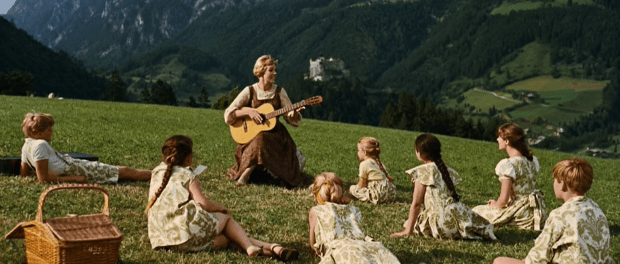
37. The Sound of Music

the sound of music

“You know Julie Andrews. If I start one of these songs around you, you will be compelled to finish it. You can’t going to leave “Doe, a deer, a female deer…” hanging out there. You’re going to have to sing about a drop of golden sun, no matter how much of a heartless bastard you are.”

36. Rain Man

1989_iconic_rainman1

“Cruise is an interesting choice for a villain here and honestly, a mostly-evil protagonist is an interesting choice overall. It works because there are so many sad pieces to connect in Rain Man. “Meet your brother and try to earn back the three million bucks from Dad’s will” is a pretty fantastical plot,  but “learn to live with your family and your place in it” is something much simpler to understand and believe.”
35. The Apartment

theapt

“There are modern complaints to lob at the 1960 winner for Best Picture, but it’s a phenomenal movie. Jack Lemmon gives what I’d normally call a once-in-a-lifetime performance, but most people don’t get to have Jack Lemmon’s lifetime.”
34. The Hurt Locker

image source: fanpop.com

“Jeremy Renner is incredible in this. The entire movie is a series of brief, loud moments surrounded by long periods of quiet, but a particular scene where Renner and another soldier have to stake out a position with a long rifle with a scope is particularly tense. The exciting bits are exciting, but they work because they are buffered by enough time to let it all build back up.”
33. Gone with the Wind

Vivien_Leigh_Gone_Wind_Restaured

“History has both been extremely kind and extremely unkind to Gone with the Wind. It’s one of the most successful, well-reviewed films in American history, but it’s a film with a Wikipedia “analysis” section that includes “racial criticism” and “depiction of marital rape.” No matter what part of Gone with the Wind you’re talking about, you’re talking about something capital-I Important.”
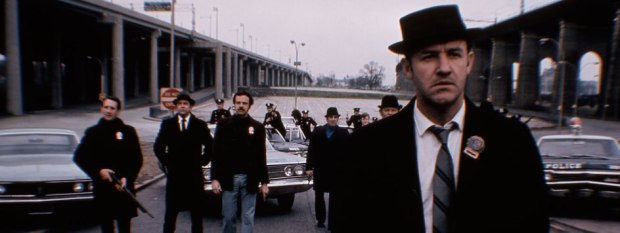
32. The French Connection

gene hackman the french connection

“If anyone ever asks you if you’ve seen The French Connection, all you have to do is say “oh, man, that car chase is awesome!” That’s it. Maybe mumble something about Gene Hackman. Then change the subject and ask whoever you’re talking to about a neat fish you saw once. You made it out of that conversation, and I’m proud of you.”
31. Rebecca

rebecca

“It would be enough if the movie were about the struggles to replace a ghost, but it wouldn’t be Hitchcock. The first act of Rebecca touches on that topic, though, and it’s fascinating to watch the young woman walk around an enormous mansion and try to figure out how to be someone she’s never met.”
30. Million Dollar Baby

million dollar baby

“It’s just not possible to talk about the movie without getting into the best part, which is the big reveal of a second act. I’m not going to actually say how it ends, but it’s important to know that this movie isn’t what it appears to be, and if you don’t know what it is, for real, go watch it first.”
29. My Fair Lady

my fair lady

“The film is gorgeous. It is difficult to pick one shot to express that, but the racetrack that they visit to test out Eliza’s new vocal talents is a good candidate. It’s entirely colored in black and white and touches of gray, except for Higgins himself. He wants to stand out to frustrate the crowd, and he does so in a brown suit. The idea that a brown suit, the simplest of the simple, makes people aghast is ridiculous, and that really sells just how little difference there is between everyone.”
28. Gandhi

gandhi

“It’s really a great choice to portray the man most consistently identified with “resistance” as being difficult to deal with. He’s a gifted leader and a man on a mission, but he’s also tough as hell to deal with.”
27. Lawrence of Arabia

lawrence of arabia

“O’Toole’s descent into madness is exceptional, especially the final 20 minutes before the end of part one. There are some tight closeups on him where his entire personality drifts and it’s just the face of a man capable of anything, for any reason.”
26. Unforgiven

unforgiven

“Clint Eastwood can at best be called a “complicated” figure in today’s world, but his performance in Unforgiven is both terrifying and riveting, and he makes the entire thing work. Now he just needs to stop saying crazy shit to empty chairs.”
25. The Lord of the Rings: The Return of the King

Frodo_and_Sam_at_Mt_Doom

“The fight at Minas Tirith feels huge and important, and the shifting perspective from inside and outside the castle walls makes it feel more like a fully realized fight. There are multiple “starts” to the fight that all allow for different discussions of heroics and bravery. There’s nothing to not like about how the whole thing is handled, and the most fascinating part of it is just how early it happens in the movie. There’s an entire hour of “climax” after Minas Tirith, but it’s in that battle that the movie won its Oscar. Watch something like Troy try to do the same thing and you will gain more respect for it.”
24. Midnight Cowboy

midnight

“The sadness of the lead characters is extremely hard to handle. In one scene during the “hopeful” part of the movie, Jon Voight’s character has to ask a woman for crackers that he can put ketchup on to not starve to death. It takes a dip towards the depressing after that, but it’s still on the upswing, then! I list this in the “best” because the movie isn’t a direct arc, which is interesting. It’s a risky way to tell a story, but it’s like an actual life with highs and lows rather than one constant line up or down.”
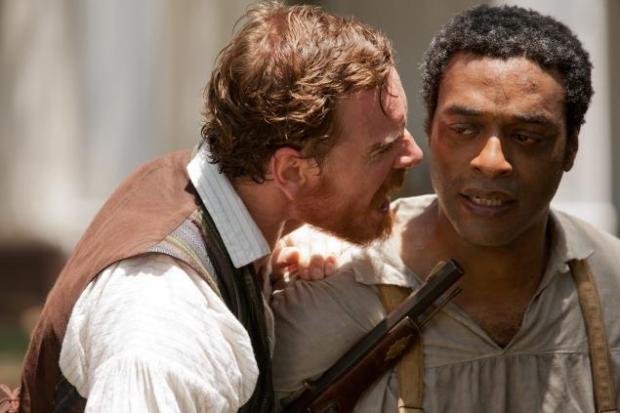
23. 12 Years a Slave

slave11n-9-web

“His tale is gruesome, but the tale of Patsey (Lupita Nyong’o) is even more unimaginable. To tell more is to rob her Oscar-winning debut performance, so let it just be said that her life is harder than the character described in the title of a movie called 12 Years a Slave.”
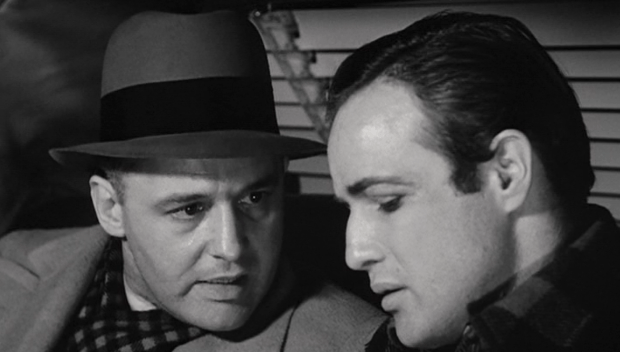
22. On the Waterfront

on the waterfront

“It’s a look at how difficult it is to stand up for what is right and how sometimes, it doesn’t really make sense to do that right away. It’s a complex look at what initially seems to be a simple situation, and while it’s remembered in history for Brando’s amazing line read in one scene, it’s so much grittier and tougher than that 30 seconds alone.”
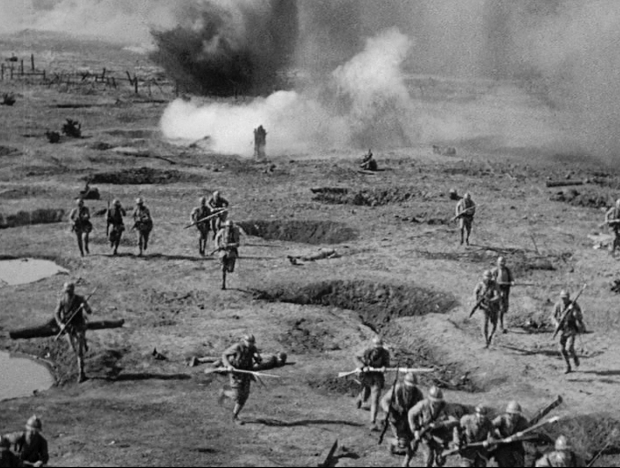
21. All Quiet on the Western Front

all quiet on the western front

“Every war movie has to decide what it wants to say, but I can’t think of any other one that is as determined as this one to say exactly one thing. Surely Full Metal Jacket doesn’t paint a positive view of war, but All Quiet on the Western Front is relentless.”
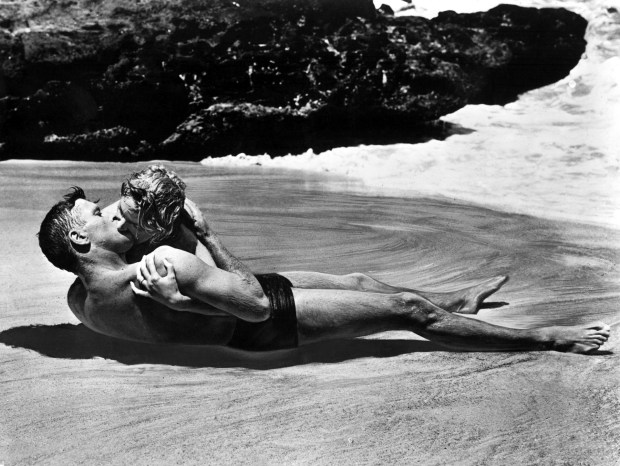
20. From Here to Eternity

image source: complex

“The performances are so tight that it’s easy to forget that the time and the setting mean that you already know everyone here is doomed. Whether you can look past that or not will determine how much you enjoy the film’s narrative, but you can’t ignore the greatness.”
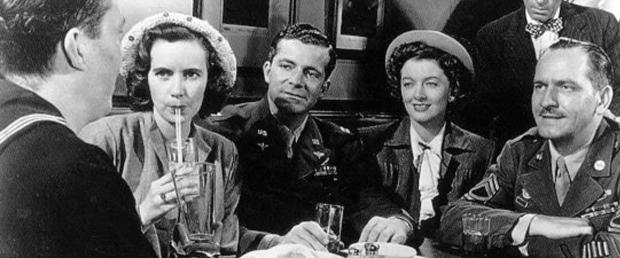
19. The Best Years of Our Lives

bestyears

“You should see it to focus on the struggles involved and the timelessness of this cycle: America goes to war, America sends Americans, Americans come home from war, America doesn’t know what to do with the war or the Americans. We’re a country obsessed with the idea of war, but we’re not always one that knows what to do with everything that goes into that.”

18. It Happened One Night

ithappenedonenight

“Some classics are “important” and some are good. I can’t speak to how crucial It Happened One Night is to the rom-com as a genre, but it’s a movie from eight decades ago that wouldn’t need much updating to be released this summer. It’s worth your time, even if you aren’t watching all 86 of these.”
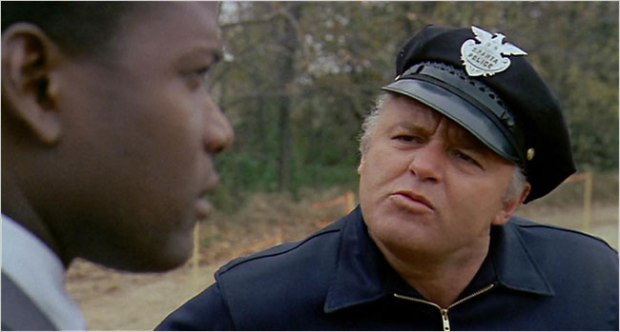
17. In the Heat of the Night

image source: nytimes.com

“Every time I expected a heavy handed treatment of race in a situation I was surprised. Right down to the eventual physical fight where Poitier has to literally run away from racists, it’s difficult, but it’s all the better for it.”
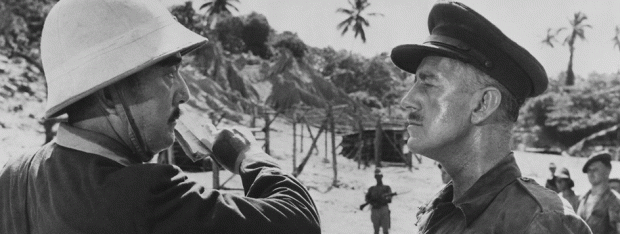
16. The Bridge on the River Kwai

1958_iconic_actor_guiness

“There’s a very Catch-22 element to this thought process that’s both darkly funny and very sad. The tone’s lighter than you might expect at times for a movie about dying in prison camp, but as the movie stops being about one thing and becomes the story of how a project galvanizes people it really walks a fine line without seeming too absurd.”
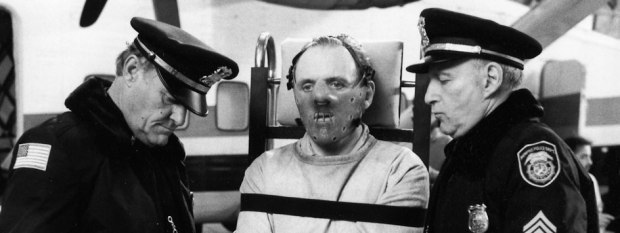
15. The Silence of the Lambs

1992_iconic_actor_hopkins

“You need to see Jodie Foster and Anthony Hopkins in this movie if for no other reason than to gain new appreciation for what you think you already know. You need to replace your acting benchmarks for greatness.”

14. The Deer Hunter

image source: director's guild of america

“It’s depressing, intense, and dramatic. It’s probably too much of all three of those things, though that will depend on what you want out of The Deer Hunter. Even if you think the whole thing is too much — and some of the symbolism can’t be said to be anything but “too much” — you will get something out of it.”
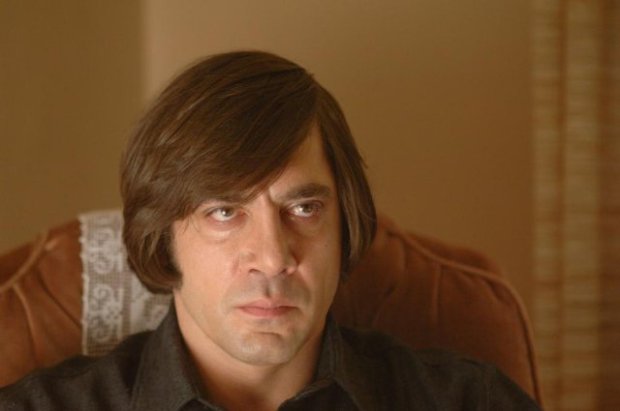
13. No Country for Old Men

nocountry

No Country is less about trying to hit you with a sledgehammer over and over and more about making you wonder if anyone in the movie ever had any other choice. It’s tough to spoil and I’ll try my best not to, but No Country sees a lot of bad things happen to some good people.”

12. One Flew Over the Cuckoo’s Nest

one flew over the cuckoo's nest

“McMurphy vs. Ratched is one of the all-time great psychological battles in film, and the best part is that they’re essentially working the same angles. Both of them have each other figured out, and they go to work on the other patients with the same tools of manipulation. It’s when Ratched really amps up that the movie starts to hum.”
11. Schindler’s List

Schindler's List

“It’s a heroic story and it’s told in thrilling fashion. The Nazis feel both like people and like monsters, which is a nice touch to keep some humanity about the entire experience. One of the important lessons in an atrocity is to remember that many of the “enemy” forces aren’t deranged or psychopathic, they’re standard, normal people. That’s what makes evil so insidious, and it’s an important component here. Most of the Nazis in the film aren’t cartoonish, snarling, monsters, and just as in life it’s too complicated to just pick out maniacs. You need to fear the good man who will do nothing, one of the great lessons of the Holocaust.”
10. The Godfather

godfather_2467471b

“Is it better to be strong or to appear strong? At certain points of The Godfather, they’re both valuable. One of the many messages of the movie, though, is that you have to know which is more valuable in the moment.”
9. All About Eve

eve

“The story is unassailable: it’s been done over and over since then, and you stand a good chance in this era to have seen a parody of it before the original. It earned a The Simpsons episode. That’s how we measure how lasting something is, right?”
8. Patton

image source: oscars.org

“Patton, if nothing else, is the triumph of George C. Scott. He’s exceptional in Dr. Strangelove, but he’s all-time great, here. It would not be unreasonable to say that this is possibly the greatest single performance on the list, and this is one hell of a list.”
7. Terms of Endearment

terms

“Shirley MacLaine beat out her fictional daughter Debra Winger for the Best Actress Oscar, but hot damn Debra Winger is perfect in this movie. Emma leaps into her mother’s arms after coming home for a weekend and she moves with a fluidity and liveliness that perfectly sells her character. When she’s playing a 20-something trying to act like a real adult, the movement tells it all.”
6. Kramer vs. Kramer

kramer vs. kramer

“What stands out the most is the difficult line that the story walks about who the “hero” is. We spend a full hour with Ted, but Joanna tells the court the story of the Ted we never got to see: married Ted. The real answer isn’t that Ted is a good father or that Joanna is a bad wife or that Ted is a bad husband or that Joanna is a good mother, it’s much more complicated than that.”
5. The Godfather Part II

the godfather part 2

“Pacino’s Michael Corleone, who is just trudging towards whatever is happening next. He’s the engine that drives everything, but The Godfather Part II is just as much about what the powerful can’t make happen as it is about what they can. The sadness engulfs him and he walks around both about to explode in anger and about to dissolve in resignation, and the result would be enough to carry a much, much lesser movie.”
4. The Sting

image source: theaceblackblog.com

“It’s not hilarious in that “oh, I get it” way, either. It’s a legitimate string of jokes, big performances, and absurd doubling of situations that is still funny four decades later.”
3. Casablanca

casablanca

“The love feels like love actually feels: complicated, painful, and overwhelming. Casablanca is a romantic movie and a war movie and it’s never one at the detriment of the other. It defies you to pick one of those to describe it.”
2. Ordinary People

ordinary people

“Is Beth a villain, or is her response just one of the possible responses to grief? Is Calvin purely good, or do his choices with Beth show that he took a simple path through loss rather than ask some hard questions early? Does Conrad do the right thing, or does he just appear to do the right thing? There isn’t one correct viewing of Ordinary People, and though you’re likely to just say that Beth is terrible and be done with it, it’s definitely more complicated than that when you extrapolate this to your own life.”
1. Annie Hall

annie hall

“It’s iconic because of things like Keaton’s look and Allen’s writing style, and those two things still shine through as superb. Watching Diane Keaton “la-di-da” on a New York street is always going to be a wonderful moment, even if Woody Allen’s legacy is more in question now than ever before.”

Alex Russell lives in Chicago and is set in his ways. Disagree with him about anything at readingatrecess@gmail.com or on Twitter at @alexbad. Image credits are available on the original posts. All uncredited images are screenshots I took myself, which is why they look worse.